FLUFFY RUFFLES™ – light pink bedding floribunda rose – Howard & Smith
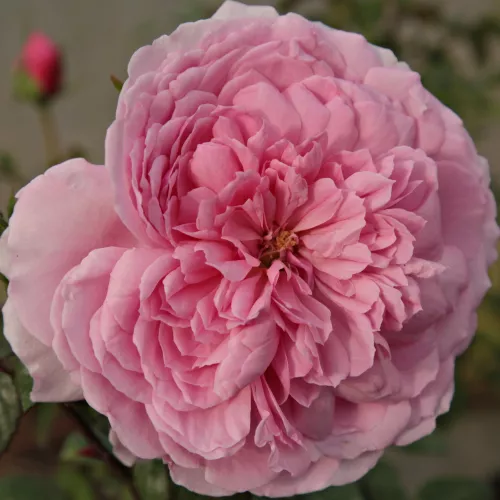
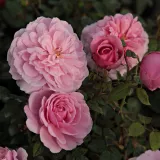
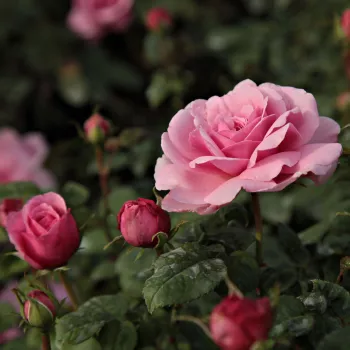
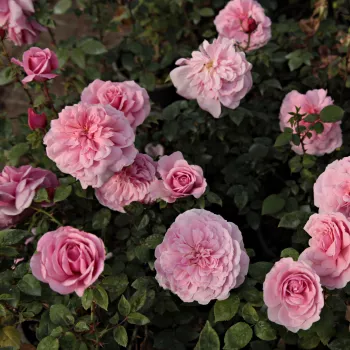
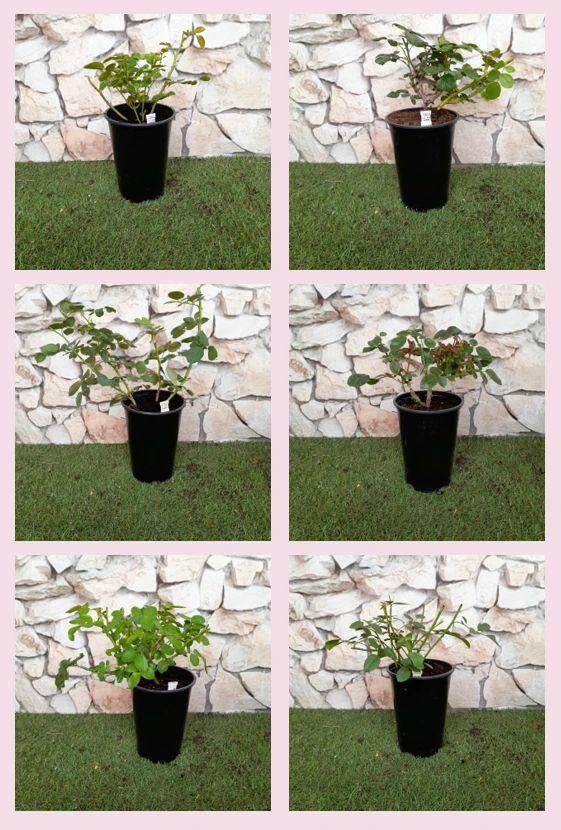
Let FLUFFY RUFFLES™ bring a touch of storybook romance to your family garden with its soft, ruffled light-pink blooms that sit beautifully in mixed borders and along paths. This upright floribunda forms a moderately dense, mid-green backdrop, giving a graceful structure that is easy to place in small to medium spaces and suits both cottage-style beds and more formal layouts. Bred in 1935 and now supplied as a modern own-root shrub, it offers reassuring longevity, quietly regenerating from its own wood for a stable look over many years with minimal fuss. Disease resistance to black spot, mildew and rust means fewer sprays and less worrying about humidity or showery spells on breezier sites, even where the garden faces regular coastal winds and brisk weather off the sea. Semi-double, cup-shaped clusters are naturally inviting to visiting bees, bringing gentle wildlife interest without overwhelming the space, while the light, very subtle perfume keeps the overall impression fresh and delicate rather than overpowering around seating areas. In a 2-litre container-grown, own-root format it is straightforward to plant throughout the season and settles in quickly, moving from building roots in the first year to stronger shoots in the second and its full ornamental impact by the third, with only simple pruning needed to keep the bedding display neat and generous.
Usage options
| Target area | Reasoning |
|---|
| Front-of-border cottage bedding strip |
Compact, upright growth to about 100–140 cm and a spread under a metre gives a defined, romantic band of light-pink colour that does not swamp neighbouring perennials, ideal for family gardens where space is shared between play, relaxation and planting; it suits those wanting a soft, cottage-style edge without complex design skills, especially beginners. |
| Low-maintenance flowering hedge along a path |
Regularly repeating flower clusters and moderately dense foliage create a gentle, semi-formal hedge at 40–50 cm spacing, providing structure and colour with only light annual trimming and occasional dead-heading, a practical option for busy households and urban gardens seeking charm with little ongoing effort, appealing to time-pressed gardeners. |
| Wildlife-friendly family garden bed |
Semi-double, open blooms with accessible stamens provide nectar and pollen that can be reached easily by bees and other beneficial insects, while moderate hip production extends interest into autumn, supporting a discreet level of wildlife without making maintenance more demanding, suiting nature-aware but non-specialist homeowners. |
| Own-root planting for long-term borders |
Being grown on its own roots rather than grafted allows the plant to renew itself from the base if stems are damaged, helping maintain an even shape and colour over the years with simple pruning, an approach that fits long-term planting plans for those wanting lasting value without technical rose knowledge, reassuring cautious buyers. |
| Roses in heavier or challenging garden soils |
The robust shrub form and good overall health make this rose a dependable choice in typical British garden conditions, where rainfall, heavier soils and changeable summers test many plants, offering stable ornamental value even in breezier sites with regular winds and showery spells off the sea for practical, real-world gardeners. |
| Partial shade in a mixed cottage border |
Tolerance of partial shade means it can be sited where neighbouring shrubs or buildings limit direct sun, still producing clusters of soft pink flowers through the season, allowing more flexibility in small family plots where ideal south-facing positions are already taken, a benefit for terrace and side-return owners. |
| Large container on a sunny patio or terrace |
In a generous 40–50 litre pot with reliable watering, the upright habit and repeat-flowering clusters create a vertical accent beside seating or doorways, offering an easy-care solution where borders are scarce, with simple annual pruning to refresh growth, well suited to romantic-style, space-conscious urban dwellers. |
| Mass planting for long-season colour blocks |
Recommended planting densities around 4–5 plants per square metre allow you to create generous sweeps of light-pink bedding colour that knit together into a continuous display, while disease resistance keeps group plantings looking even and tidy with minimal intervention, attractive for informal but cohesive cottage schemes by enthusiasts. |
Styling ideas
- Cottage-Path Border – Plant FLUFFY RUFFLES™ in a wavering line along gravel paths, threading in sweet alyssum to mirror the soft pink and white froth – ideal for lovers of traditional cottage walks.
- Kitchen-Garden Charm – Edge vegetable beds with this rose at 40–50 cm spacing, softening productive rows while keeping maintenance simple and structural – perfect for homely kitchen-garden families.
- Romantic Patio Pot – Grow a single plant in a 50-litre terracotta container and underplant with trailing herbs for scent, creating a vertical accent beside outdoor seating – suited to busy terrace dwellers.
- Soft-Pink Drift – Use mass planting in front of mid-height shrubs to form a low, pink “cloud” that repeats flower through summer with little fuss – appealing to beginners wanting impact.
- Wildlife Corner – Combine with airy grasses and pollinator-friendly annuals so bees move easily between the semi-double blooms and surrounding flowers – designed for nature-conscious family gardeners.
Technical cultivar profile
| Parameter | Data |
|---|
| Name and registration |
FLUFFY RUFFLES™ bedding rose (show floribunda / shrub rose); commercial floribunda bed rose; ARS exhibition name Fluffy Ruffles; unregistered cultivar in formal registration terms. |
| Origin and breeding |
Bred by Howard & Smith Nursery, Montebello, California, USA; cross: ‘Miss Rowena Thom’ × Seedling No. 72; introduced in 1935 via Henry A. Dreer, reflecting classic early twentieth-century floribunda breeding. |
| Growth and structural characteristics |
Upright shrub 100–140 cm high, 55–85 cm spread; moderately dense, mid-green, slightly glossy foliage; moderately thorny stems; suitable for bedding, edging, low hedging and structured planting in small to medium gardens. |
| Flower morphology |
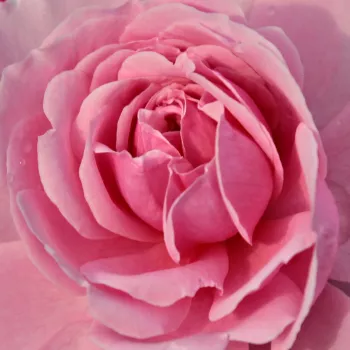
Semi-double cup-shaped blooms, typically 13–25 petals, borne in clusters; large flower size (about 7–10 cm); remontant with a notably abundant second flush; some self-cleaning, though occasional removal of spent clusters is recommended. |
| Colour data and phenology |
Light pink flowers; outer petals RHS 65C, inner 62D; buds pastel silvery-pink, opening brighter centrally, then fading to misty pale pink with silvery edges; colour holds better in cooler conditions, fading more in strong sun. |
| Fragrance and aroma |
Fragrance is very weak and subtle, detectable only at close range; scent does not dominate seating areas, making it suitable near terraces or pathways where a gentle visual effect is preferred over strong perfume. |
| Hip characteristics |
Produces moderate numbers of red, ellipsoid hips about 10–14 mm across; hips extend seasonal interest into early autumn and may offer incidental food value for wildlife in less intensively maintained parts of the garden. |
| Resistance and winter hardiness |
Good resistance to powdery mildew, black spot and rust; moderate heat and drought tolerance, needing water in prolonged dry spells; hardy approximately to −21 to −18 °C (RHS H7), corresponding roughly to USDA zone 6b and Swedish zone 3. |
| Horticultural recommendations |
Suited to bedding, edging, and park or garden mass planting; plant 40–80 cm apart depending on use, 4–5 plants/m² for blocks; prefers moist but well-drained soil, with simple yearly pruning and only occasional dead-heading needed. |
FLUFFY RUFFLES™ offers easy-care, repeat light-pink flowering and reliable disease resistance in a long-lived, own-root form that rewards patient gardeners with enduring structure and charm, making it a thoughtful choice for relaxed family gardens.