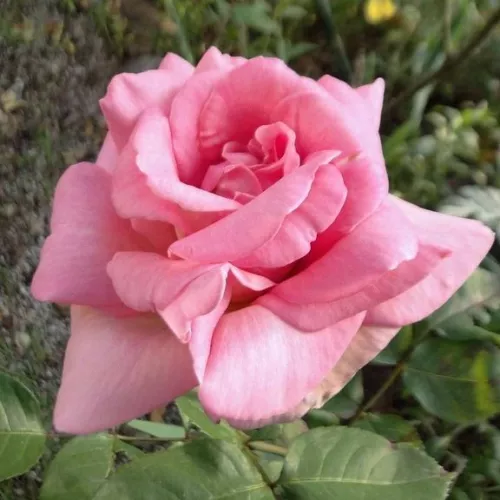
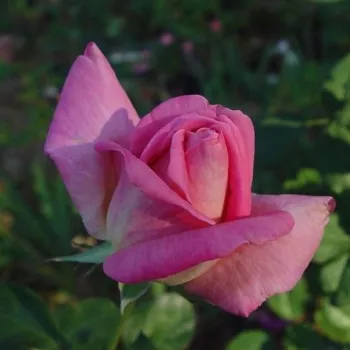
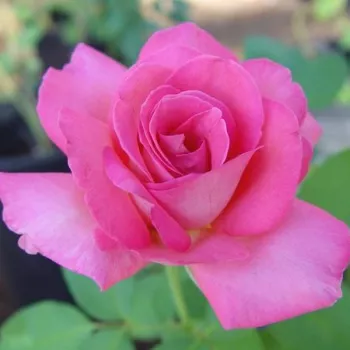
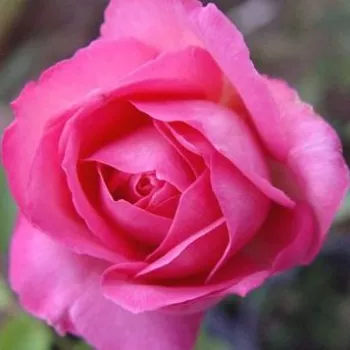
PENELOPE – pale pink park rose - Pemberton
Softly cupped, pale pink blooms, a musky perfume and relaxed, arching growth make Penelope a classic shrub rose for romantic cottage borders and informal hedges. In typical British gardens it copes steadily with exposed aspects and damp, breezy weather, so it suits coastal towns and open suburban plots as well as sheltered village gardens. As an own-root rose it builds strength slowly and reliably, giving you a plant that lives for decades, regenerates well after pruning and keeps its shape even if winter or neglect take their toll. With time it forms a dense, leafy screen clothed in flowers from early summer onwards, with a generous second flush and decorative hips for autumn interest. Easy to combine with perennials and herbs around a kitchen garden, it offers relaxed romance, dependable structure, gentle screening, fragrant evenings, flexible pruning, pollinator-friendly wildness, long-term value and container-grown convenience.
Usage options
| Target area | Reasoning |
|---|
| Low, informal hedge along a path or boundary |
Penelope’s bushy, arching habit and dense dark foliage create a soft, romantic hedge that screens without feeling heavy. Semi-double, pale-pink blooms repeat through summer, keeping the line attractive even with minimal shaping, ideal for a relaxed cottage look for the family gardener. |
| Feature shrub near a terrace, bench or seating area |
The strong muscat fragrance and long flowering season make this rose perfect beside a favourite seat or terrace, where its scent can be enjoyed on still evenings. Own-root vigour ensures it matures into a long-lived, reliable presence, rewarding simple seasonal care for the scent-loving homeowner. |
| Mixed cottage border with perennials and herbs |
Clusters of pastel blooms and glossy foliage weave easily into traditional cottage borders, pairing beautifully with phlox, Japanese anemones and bee balm. Its relaxed structure gives vertical interest without needing precise pruning, suiting layered, slightly wild planting for the romantic stylist. |
| Background planting for a kitchen or cutting garden |
As a tall park shrub, Penelope forms an attractive, long-lived backdrop to vegetables and herbs, offering cut stems for informal arrangements. The own-root system helps it recover well after harvesting or harder pruning, remaining productive over many years for the practical grower. |
| Specimen rose in a lawn or front garden |
Planted alone with space to reach full height and spread, this variety becomes a gentle focal point, its pale, changing shades catching light from spring to autumn. Its dependable repeatedly flowering nature offers steady impact without complex care for the busy householder. |
| Large container on a patio or roof terrace |
In a substantial 40–50 litre container with good drainage, Penelope offers cottage-garden charm where borders are limited. Own-root resilience supports long-term container life, provided watering is regular, making it a characterful choice for the urban balcony-owner. |
| Lightly managed family garden with limited time for pruning |
This shrub accepts a range of pruning styles, from a simple annual tidy to more detailed shaping when time allows, without losing health or character. Over three seasons it gradually builds roots, stems and then full display, suiting the time-pressed beginner. |
| Informal wildlife-friendly corner or boundary |
Semi-double flowers offer accessible pollen, and some blooms set small orange-red hips that extend the season. Its moderate disease resistance pairs well with sensible spacing and airflow, even in breezy, rain-prone spots, supporting a gentle wildlife focus for the nature-conscious family. |
Styling ideas
- Cottage-hedge – Line a front path with a loose Penelope hedge, underplanting with catmint and lavender for scent and soft colour – for lovers of traditional cottage entrances.
- Tea-corner – Place a pair of shrubs either side of a bench, with foxgloves and hardy geraniums behind, to frame an afternoon tea spot – for those creating a romantic seating nook.
- Kitchen-frame – Use Penelope as a gentle screen at the back of raised beds, threading sweet peas through its branches for extra colour – for home cooks who like flowers by the veg plot.
- Pastel-border – Combine with phlox, Japanese anemones and ornamental grasses to build a long, soft flowering season – for gardeners seeking an easy, harmonious palette.
- Patio-centrepiece – Grow a single plant in a large clay pot with trailing thyme and violas at the base – for balcony and terrace owners wanting cottage charm in limited space.
Technical cultivar profile
| Parameter | Data |
|---|
| Name and registration |
Penelope is a hybrid musk shrub rose, commercial type park rose, from the Park - shrub rose collection; unregistered cultivar, marketed under the trade name PENELOPE – pale pink park rose - Pemberton. |
| Origin and breeding |
Bred by Joseph Hardwick Pemberton in the United Kingdom and introduced in 1924; parentage recorded as 'Ophelia' (hybrid tea, 1912) crossed with an unidentified Pemberton seedling. |
| Awards and recognition |
Holder of the RHS Award of Garden Merit since 1993; earlier recognised with a Gold Medal from the National Rose Society in the United Kingdom in 1925, confirming long-term garden reliability. |
| Growth and structural characteristics |
Vigorous, bushy shrub with arching branches, typically 160–250 cm tall and 120–200 cm wide; dark, glossy, dense foliage and moderate thorniness lend it good presence in mixed borders or hedges. |
| Flower morphology |
Semi-double, cupped flowers with 13–25 petals, medium-sized clusters on the stems; remontant with a notably generous second flush, and moderate self-cleaning, some flowers forming small hips. |
| Colour data and phenology |
Dominantly soft, translucent pale pink blending into creamy white; pastel buds and pearly pink margins fade in heat to near white, providing a gentle colour shift across the flowering season. |
| Fragrance and aroma |
Strong, clearly detectable scent with a characteristic muscat character; fragrance is most noticeable in warm, still conditions and contributes significantly to its value near paths and seating areas. |
| Hip characteristics |
Forms occasional spherical orange-red hips, about 10–15 mm in diameter; these develop from spent flowers left on the plant and offer modest ornamental and wildlife interest into autumn. |
| Resistance and winter hardiness |
Rated RHS H7, hardy to approximately -26 to -23 °C and USDA zone 5b; tolerates heat and moderate drought once established, with moderate resistance to common fungal leaf diseases. |
| Horticultural recommendations |
Suited to beds, hedging, edging and specimen use at 90–165 cm spacing; prefers well-drained soil, accepts partial shade, and benefits from occasional plant protection and annual formative pruning. |
PENELOPE – pale pink park rose - Pemberton offers fragrant, repeat flowering, informal screening and long-lived own-root reliability, making it a thoughtful choice if you want lasting cottage charm with straightforward care.