| Cottage-style mixed border in a family garden |
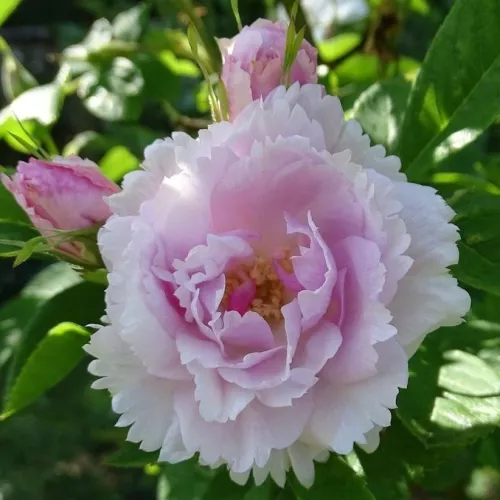
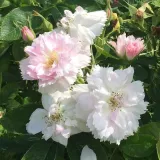
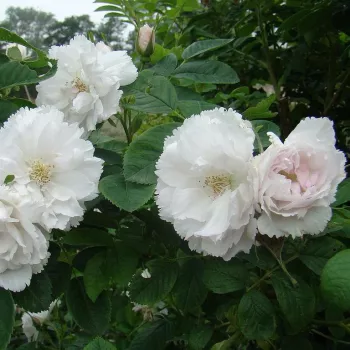
The bushy, upright habit and dense mid-green foliage give ‘Fimbriata’ enough presence to anchor a traditional cottage border without dominating a small to medium plot. Semi-double, fringed blooms repeat through the season, adding pastel colour with very little pruning or feeding, ideal between perennials and herbs in a relaxed, “girly” English-country layout – perfect for the time-pressed homeowner. |
| Informal flowering hedge along boundaries or paths |
Planted at around 90 cm centres, this thorny Hybrid Rugosa forms a defensive, flowering barrier with soft pale-pink clusters followed by red‑orange hips. Its strong framework, dense foliage and robust hardiness mean a long lifespan with minimal intervention, well suited to marking boundaries while maintaining a romantic, old-rose feel – a reassuring choice for privacy-minded families. |
| Standalone specimen near seating, terrace or arbour |
At 120–190 cm high, a single plant has enough stature to become a focal point beside a bench or arbour. The softly sweet, medium-strength fragrance and pastel flowers create a storybook atmosphere for afternoon tea or evening unwinding. Own-root growth supports gradual, resilient thickening of the shrub over the years, preserving its ornamental value – appealing for lovers of romance. |
| Low-maintenance rose area for beginners |
With good drought tolerance, strong disease resistance and low feeding needs, ‘Fimbriata’ suits gardeners who want classic roses without complicated spraying regimes. Simple, light pruning keeps its shape, while own-root vigour helps it recover if cut back hard or neglected for a season – an accessible starting point for tentative beginners. |
| Traditional park-style or front-garden planting |
Its historical character and pastel colour fit seamlessly into heritage schemes and older streetscapes. The shrub’s durability and winter hardiness mean it copes well with exposed positions and variable care, while still flowering reliably each year, supporting an easy-care, long-term structure in communal or front gardens – ideal for tradition-appreciating residents. |
| Pollinator-friendly rose corner near kitchen garden |
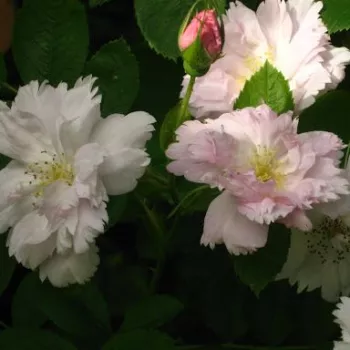
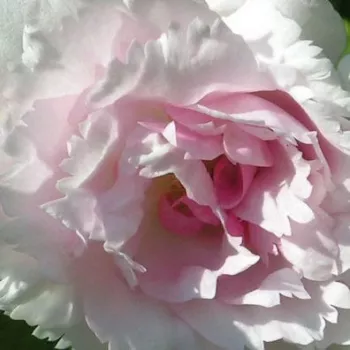
The semi-double, fringed flowers expose stamens that bees can reach easily, offering both nectar and pollen in a visually soft, cottage-garden palette. Grouped near fruit and vegetables, it supports beneficial insects while keeping a romantic feel, and repeat flowering extends seasonal interest – attractive for wildlife-aware gardeners. |
| Rugged rose planting on poorer or drier soils |
As a Hybrid Rugosa, ‘Fimbriata’ performs well in poorer soils and tolerates periods of drought, provided it has reasonable drainage and is not waterlogged. This resilience, together with its own-root stamina, makes it well suited to less pampered spots where consistent irrigation is difficult – reassuring for busy or absentee owners. |
| Raised beds or large containers on patios |
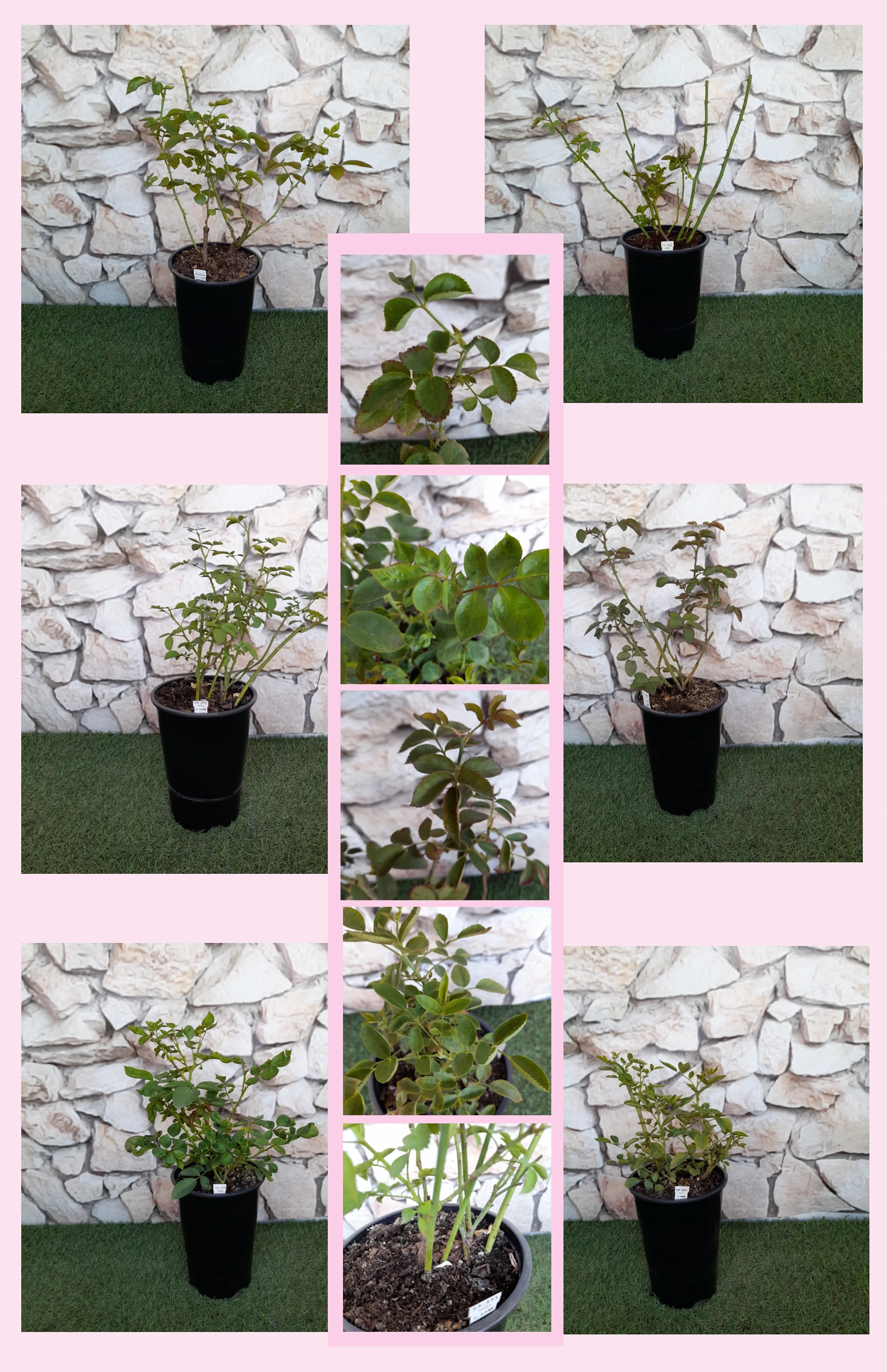
In a 40–50 litre or larger container, its upright, bushy form and pastel flowers bring cottage-garden charm to patios and small urban spaces, where root confinement aids stability in windy aspects and helps manage heavier clay by using improved compost in planters. Over the first few seasons roots establish, top growth builds, then full ornamental value follows – particularly useful for space-limited urbanites. |