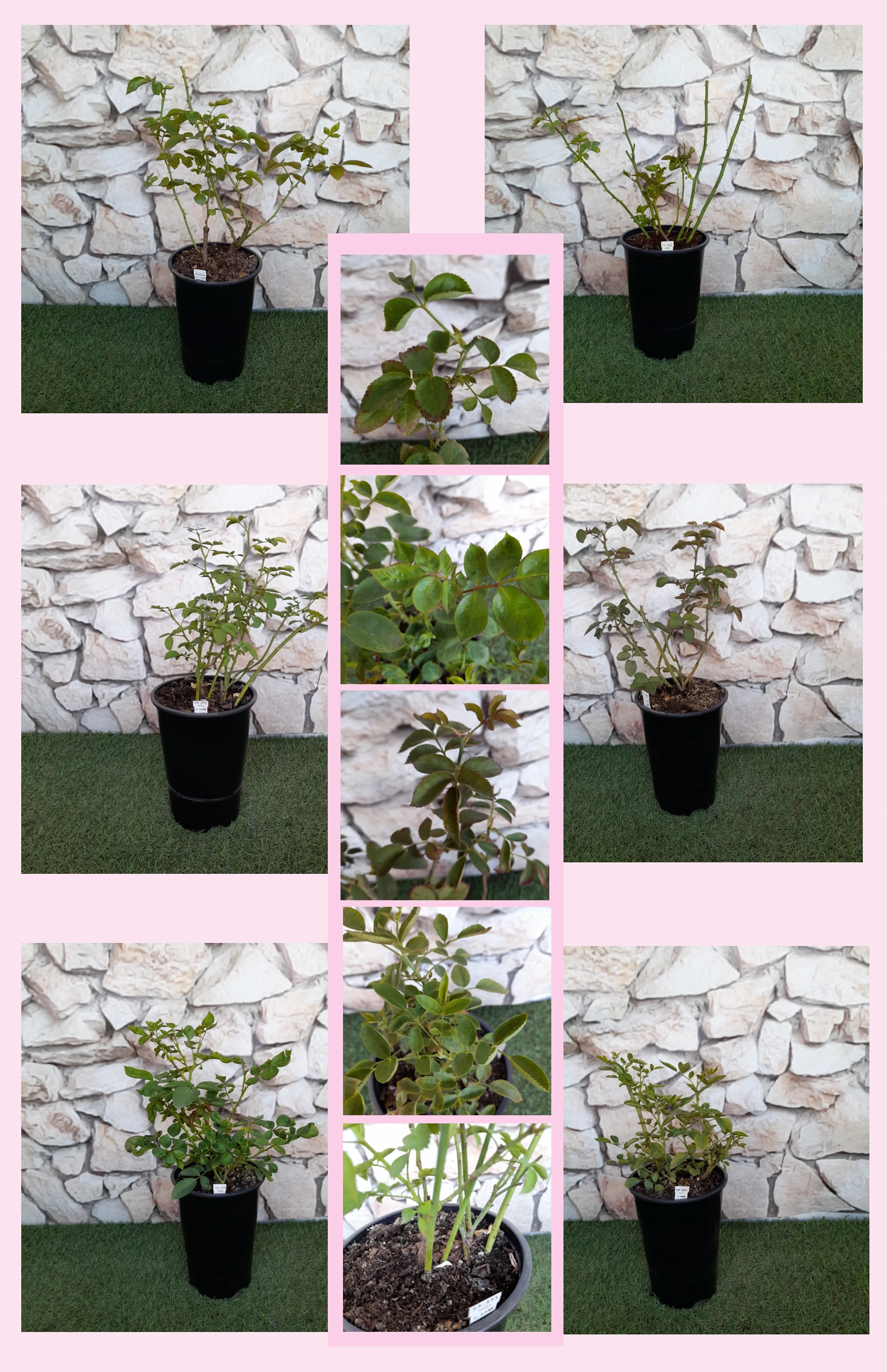
FIJI – white-pink hybrid tea rose – Ilsink
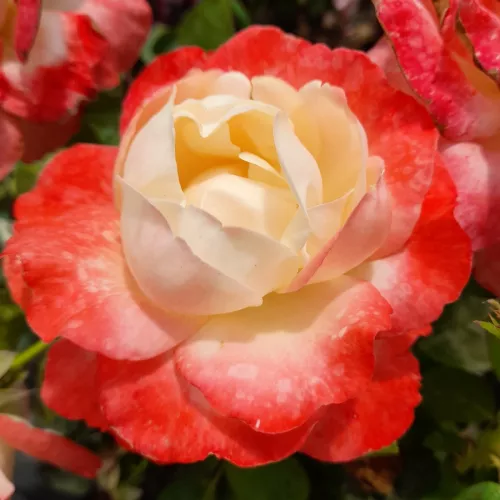
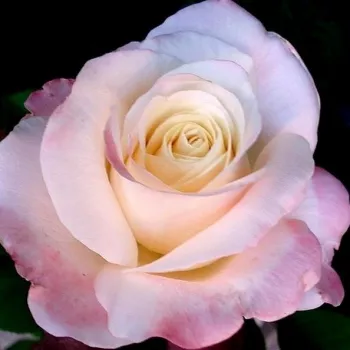
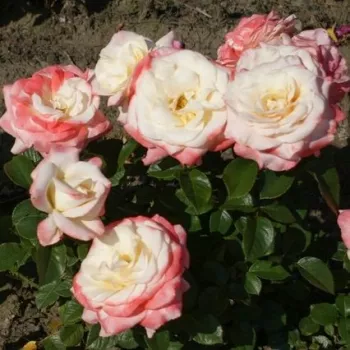
Softly romantic yet reassuringly robust, FIJI brings a touch of island elegance to a typical British family garden, combining a hybrid-tea rose’s refined blooms with a compact, upright habit that fits neatly into beds, borders and smaller plots. Its semi-double, high-centred flowers open repeatedly through the season in a gentle white–pink palette, shifting from pastel buds to creamy, storybook blossoms that sit beautifully among cottage-style planting. Grown on its own roots for dependable longevity, the plant knits gradually into the soil and anchors well even where strong winds and driving rain regularly sweep in from the coast. Over time the own-root structure allows steady regrowth from below if stems are damaged, helping preserve its shape and floral display without complicated pruning. Medium fragrance with a classic rose aroma makes FIJI perfect beside a seating area or path, while its balanced proportions and vase-quality stems also lend themselves to cutting for the house.
Usage options
| Target area |
Reasoning |
| Feature rose in a small front garden bed |
The compact, upright habit and moderate height make FIJI easy to place near paths, drives and doorways without overwhelming the space, while still giving the look of a classic hybrid tea. Ideal for a tidy, welcoming frontage for the busy homeowner. |
| Cottage-style mixed border near a seating area |
Its soft white–pink palette blends effortlessly with pastels and traditional perennials, and the medium, classic rose fragrance is noticeable at close quarters without being overpowering, suiting afternoon tea corners for the romantic gardener. |
| Cutting patch or kitchen-garden rose row |
High-centred, long-stemmed blooms in a refined hybrid-tea form are well suited to vases, so a short row along the edge of a kitchen garden can supply regular cut flowers while still looking neat in situ, pleasing the home flower arranger. |
| Own-root specimen in a 40–60 L patio container |
The upright, dense foliage and moderate spread adapt well to a large container, where the own-root system supports long-term health and recovery if stems are pruned harder, making maintenance simpler for the urban balcony owner. |
| Family garden rose bed with simple care routine |
Medium disease resistance and a remontant flowering pattern mean you can focus on basic feeding and watering rather than intensive spraying, while own-root growth gives steady regrowth after pruning, suiting the time-pressed family. |
| Exposed, windy border needing reliable anchoring |
As an own-root rose, FIJI gradually develops a broad, fibrous root system that anchors it firmly and helps it stabilise in soils that see strong winds and frequent heavy showers sweeping in from the sea, reassuring the coastal gardener. |
| Pollinator-friendly corner in a traditional plot |
The semi-double, more open blooms provide accessible stamens, and their noticeable fragrance helps attract bees, so FIJI can add both romance and light pollinator support in a classic setting for the wildlife-conscious owner. |
| Low-hedge or repeated accent along a path |
With recommended spacings of 40–50 cm, FIJI lines paths and beds in a regular rhythm, giving a formal yet soft-edged look that repeats its pastel flowers through summer with only straightforward pruning, appealing to the structured gardener. |
Styling ideas
- Pastel-hedge – Plant FIJI in a low, repeating line with lavender and soft pink salvias to frame a cottage path – for lovers of gentle structure and traditional romance.
- Tea-corner – Place a large container-grown FIJI beside a bistro set, under-planted with scented herbs – for those who want afternoon tea ambience in a small space.
- Kitchen-cutting – Run a short row alongside vegetables, interplanted with cosmos and sweet peas – for home cooks who like to bring fresh bunches indoors.
- Soft-coastal – Combine FIJI with grasses and blue globe thistle to stabilise a breezier border – for coastal homeowners seeking reliable structure with a refined bloom.
- Bees-and-blooms – Mix FIJI with catmint, alliums and single dahlias to create a light pollinator strip – for families who want wildlife interest with classic roses.
Technical cultivar profile
| Parameter |
Data |
| Name and registration |
Hybrid tea rose from the Holiday Island collection; registered as INTerzabunel, marketed as FIJI Holiday Island and exhibition name Anneli van Rooyen. |
| Origin and breeding |
Bred by Robert Ilsink at Interplant Roses B.V., Netherlands; hybridised and introduced in 2006 for dual garden and exhibition-type use. |
| Growth and structural characteristics |
Compact, upright bush reaching about 60–85 cm high and 45–60 cm wide, with dense, glossy mid-green foliage and moderate prickliness on strong, straight stems. |
| Flower morphology |
Semi-double, high-centred hybrid-tea blooms with 13–25 petals, large flower size on mainly solitary stems, repeating well with an abundant second flush in season. |
| Colour data and phenology |
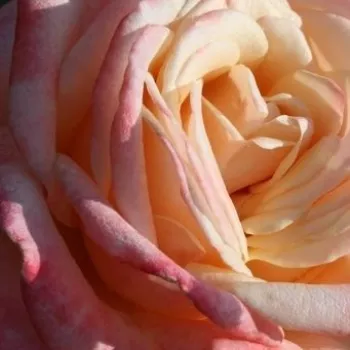
White-pink blend; buds creamy with pink blush, opening to cream with pink edges, then fading to near-cream, giving a soft pastel effect from first opening to full bloom. |
| Fragrance and aroma |
Moderate, clearly noticeable scent of classic rose character, pleasant around seating areas, with semi-double blooms that also appeal to bees through accessible stamens. |
| Hip characteristics |
Produces moderate quantities of small, spherical red hips about 10–14 mm across, adding discreet seasonal interest in late season when spent flowers are left uncut. |
| Resistance and winter hardiness |
Rated to approximately −21 to −18 °C (RHS H7, Swedish zone 3, USDA 6b); medium resistance to black spot, mildew and rust, benefits from standard, preventive care. |
| Horticultural recommendations |
Prefers a sunny position; plant 40–80 cm apart depending on use, at 4–4.6 plants per m² in groups; suitable for beds, containers, specimens and cutting for the house. |
FIJI Holiday Island® INTerzabunel offers compact, pastel hybrid-tea blooms with classic fragrance, steady repeat flowering and own-root resilience for long-term, low-fuss enjoyment; a thoughtful choice for a relaxed, romantic family garden.