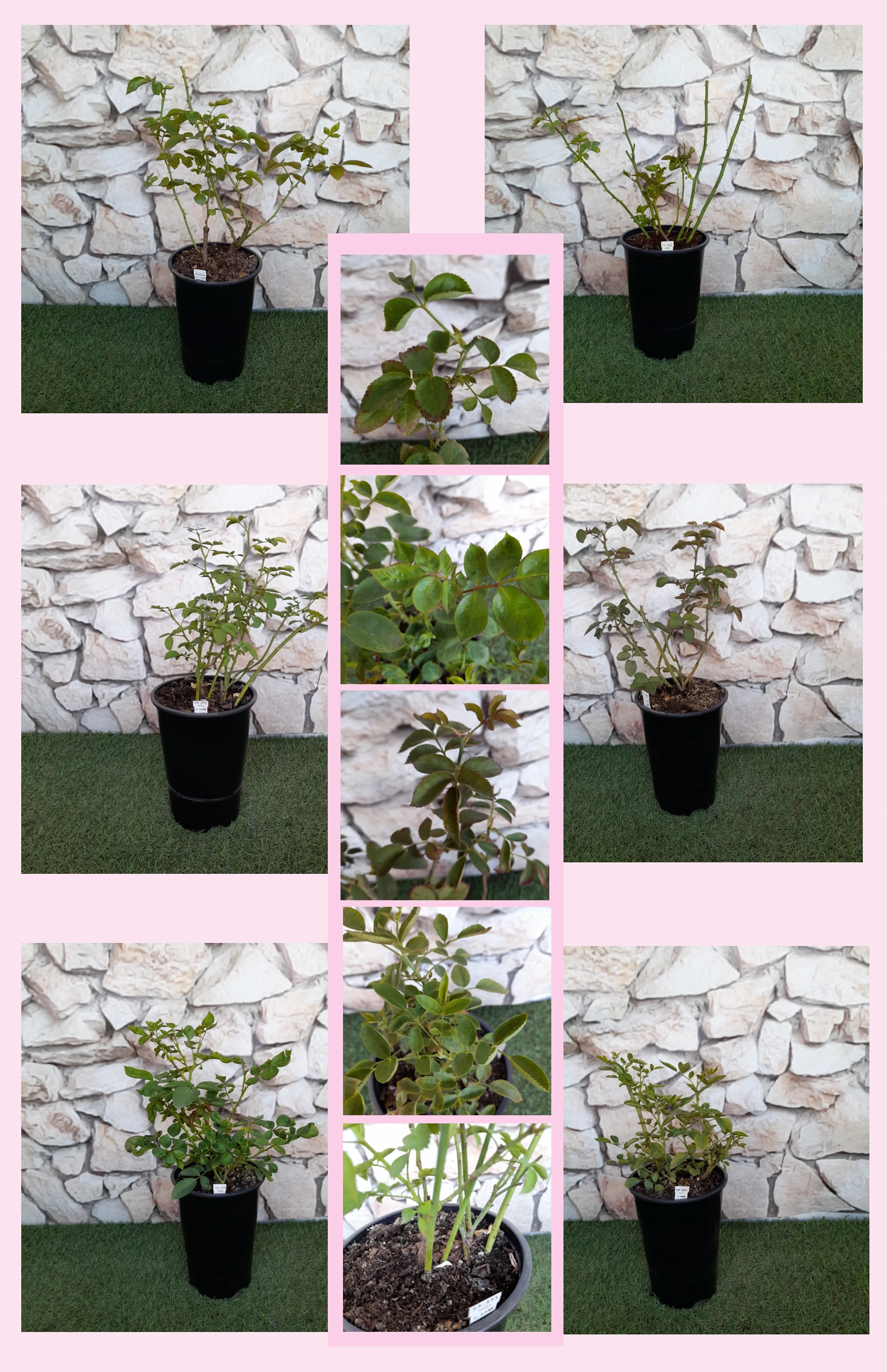
LOUISE BUGNET – white park rose
In a small family garden, Louise Bugnet brings quietly romantic structure and glowing white flowers that feel perfectly at home beside a kitchen garden and cottage-style borders, even where winds are brisk and soils need careful drainage. This compact hybrid Rugosa forms a naturally upright, clothed framework with dense, grey‑green foliage and relatively few prickles, so it is easier to manage around children and seating areas. Once settled, it offers reliable height and presence year after year, its own‑root character supporting a long-lived, regenerating shrub that copes well if you need to prune harder or reshape it as your garden evolves. Strong, classic fragrance lends a storybook ambience to tea-time under an arbour, while good heat and moderate drought tolerance help it ride out typical British summers with modest care. As roots establish in year one, shoots strengthen in year two and the full ornamental display emerges by year three, rewarding even time-poor gardeners with a robust, traditional hedge or specimen that settles gracefully into the wider garden picture.
Usage options
| Target area |
Reasoning |
| Flowerbed focal point near a seating area |
The compact, upright habit and dense foliage give an immediate sense of structure without overwhelming a small bed, while the white, strongly scented blooms create a romantic focus close to where you sit and relax, especially suited to the needs of the hobby-gardener. |
| Informal cottage-style hedge along a boundary |
Regular spacing at around 100 cm forms a traditional, medium-height hedge that screens gently rather than heavily; the sparsely thorned stems make trimming and access easier over many years, appealing to the family-buyer. |
| Long-term structural rose in a mixed cottage border |
Once established, its long lifespan as an own-root shrub means it can act as a reliable backbone among perennials and herbs, holding its place in the scheme as surrounding plants are refreshed, reassuring for the beginner. |
| Rugged rose for exposed or breezy spots |
The robust hybrid Rugosa background and good cold tolerance help it stand up to open, wind-swept positions where more delicate roses may struggle, giving confidence to the urban-gardener. |
| Rose for heavy garden soils and simple maintenance |
Provided you plant into a raised or improved bed with sensible drainage, the strong root system and own-root growth give steady progress with only basic seasonal care, even when clay is present, which suits the busy-owner. |
| Lightly shaded side garden or cottage path |
Its tolerance of partial shade allows planting where sunlight is limited for part of the day, such as north-east facing paths, keeping the romantic cottage character consistent around the house for the homeowner. |
| Container planting in a large terrace or courtyard pot |
In a 40–50 litre or larger container, its upright, compact habit and manageable size make it a practical choice for patios; with regular watering and feeding, you gain fragrance and height without excessive fuss, ideal for the balcony-gardener. |
| Low-input, long-lived feature in a family garden plan |
Planted once with attention to drainage and space, this own-root shrub offers a long service life, coping well with periodic harder pruning as children and layouts change, a reassuring constant for the evolving family-garden. |
Styling ideas
- Kitchen-border romance – Thread Louise Bugnet between herbs and soft-edged vegetables, letting its white blooms and strong scent lend a storybook feel beside raised beds – perfect for cottage-style cooks and weekend gardeners.
- White-hedge backdrop – Create a low, loose hedge and underplant with lamb’s-ear and dwarf lavender for a silvery, tactile edging – ideal for families wanting gentle screening without heavy maintenance.
- Gravel-cottage corner – Set one or three shrubs in a gravel bed with fountain grass and hardy perennials for texture and low day-to-day care – suited to busy homeowners who like traditional charm.
- Arbour-companion – Position near a simple wooden bench or arbour so the scented white flowers frame afternoon tea – appealing to romantic gardeners planning a small, restful retreat.
- Courtyard statement – Grow in a 50 litre terracotta pot, paired with trailing thyme and soft grasses, to bring vertical interest and fragrance to a paved space – for urban gardeners craving cottage style in limited room.
Technical cultivar profile
| Parameter |
Data |
| Name and registration |
Hybrid Rugosa park rose marketed as LOUISE BUGNET – white park rose; ARS exhibition name ‘Louise Bugnet’; unregistered as a formal cultivar but traded widely in Europe. |
| Origin and breeding |
Bred by Georges Charles-Jules Bugnet in Canada from ‘Martha Bugnet’ × ‘Thérèse Bugnet’; introduced in 1960 and selected for hardiness and garden use in colder continental climates. |
| Awards and recognition |
Named Årets Ros (Rose of the Year) 2020 in Sweden, reflecting proven garden performance and reliability under challenging Nordic conditions with cold winters and relatively short growing seasons. |
| Growth and structural characteristics |
Upright, compact shrub rose reaching about 120–180 cm high and 100–150 cm wide, with dense, matt grey‑green foliage and sparsely thorned stems, forming a substantial yet manageable framework. |
| Flower morphology |
Large, double, flat flowers with 26–39 petals, usually 3–5 per stem; remontant with a lighter second flush; most spent blooms fall naturally, helping the shrub look tidy with less deadheading work. |
| Colour data and phenology |
Buds white with purple-red striping (RHS 79A), opening to pure white blooms with subtle greenish and creamy tints; colour holds well with minimal fading across the flowering period in average garden conditions. |
| Fragrance and aroma |
Strong, classic rose fragrance noticeable from a distance, adding sensory value in seating areas; double flower form limits pollinator access, so it is primarily grown as an ornamental, not for wildlife support. |
| Hip characteristics |
Forms hips only sparingly because of double blooms; where produced, hips are spherical, bright red, around 20–30 mm, providing occasional late-season colour without significant self-seeding issues. |
| Resistance and winter hardiness |
Extremely hardy (about −40 to −43 °C; RHS H7, USDA 2b), tolerating cold winters; heat and moderate drought are handled well, though prolonged high temperatures may reduce flowering performance. |
| Horticultural recommendations |
Best in well-drained soil with attention to disease management; suitable for hedges, specimens and urban planting; plant at 100–180 cm spacing according to use, and monitor foliage for early disease control. |
LOUISE BUGNET offers upright structure, strong fragrance and a long-lived own-root shrub presence for family gardens, making it a thoughtful choice for those planning enduring cottage-style spaces.