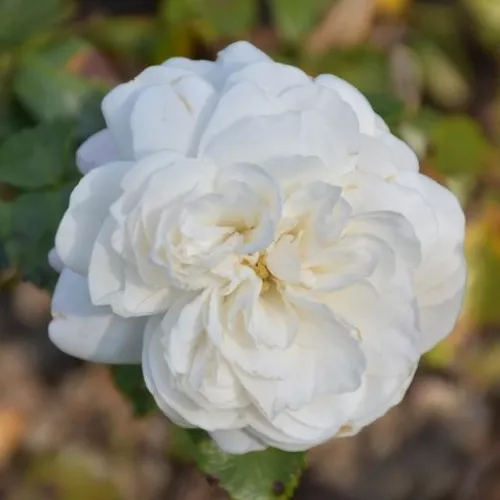
Uniform, bright snow-white surface. - groundcover rose - medium-strength, clearly noticeable scented rose - delicately sweet aroma
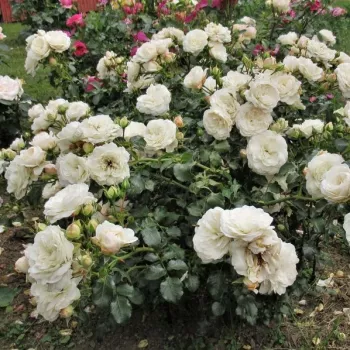
– Compact, spreading growth for reliable groundcover
– Abundant, very double snow‑white blooms all season
– Medium, clearly noticeable, delicately sweet fragrance
– Dark, glossy foliage for strong garden contrast
– Good heat tolerance with moderate disease resistance
– Special feature: Ideal for beds, edging, containers and urban planting.
Unfortunately, we are currently unable to ship to the United Kingdom; we only deliver to countries within the European Union. For more information, please contact us!
4.5(6872)
FAIRY DUST – white groundcover rose – Evers
Imagine settling into a corner of your garden for afternoon tea, framed by low mounds of snow-white blooms that bring a quietly romantic, storybook charm to even the most practical spaces. FAIRY DUST spreads into a compact, cushion-like groundcover, its glossy dark foliage setting off clusters of very double, cup-shaped flowers that repeat reliably from early summer well into autumn. Designed for easy-going family gardens, it copes well with blustery weather and exposed spots where strong winds and frequent rain can easily batter more delicate roses. The medium, clearly noticeable fragrance adds gentle sweetness without overwhelming a small terrace or front garden. As an own-root rose, it builds a durable, well-anchored structure that shrugs off the odd missed prune or dry weekend, steadily maturing from a settling-in year, to stronger shoots, to full ornamental value by about the third season. Simple seasonal deadheading keeps the display fresh, while its low, spreading habit makes it especially suitable for edging paths, softening raised beds on heavy soils and filling gaps between shrubs with an air of cottage-garden romance. FAIRY DUST is equally at home in a generous container on a balcony or beside a kitchen door, where its reliable repeat-flowering and rounded habit create an inviting sense of cosiness for busy households and relaxed beginners.
Fairy Dust opening in radiant snow-white.
Usage options
Target area
Reasoning
Low, romantic groundcover in a family garden
The compact, spreading habit (40–60 cm high, 60–80 cm wide) naturally forms low mounds that cover bare soil and knit together into a seamless white carpet. This makes it ideal for storybook-style paths and play-friendly borders where you want softness rather than tall shrubs, especially for family gardeners.
Edging for cottage-style beds and kitchen gardens
Dense foliage and plentiful, small, very double blooms create a neat, continuous line along vegetable beds, herb patches or mixed borders. At the recommended 40–50 cm spacing, it forms a pretty, structured edging that hides the soil edge yet stays low enough not to shade herbs or salad crops, perfect for cottage enthusiasts.
Repeating, long-season colour in small to medium gardens
FAIRY DUST repeats well, delivering a generous second flush after the first main flowering. With occasional deadheading, you gain months of snow-white bloom on a modest footprint, so even compact front gardens and town plots achieve the look of continuous flowering without complex rose care, appealing to busy homeowners.
Lightly scented seating areas and afternoon tea corners
The medium-strength, delicately sweet scent is clearly noticeable but not overpowering, making it well suited beside benches, arbours or patio tables. Its low height keeps views open while cushions of white flowers add a calm, polished feel to the space for relaxed tea-lovers.
Own-root planting for long-lived, low-fuss borders
As an own-root shrub, this rose regenerates reliably from its base, with no graft union to protect or replace. Over the years it forms a stable, well-anchored framework, tolerates varied pruning styles and bounces back well after harder cuts, offering lasting value for long-term planners.
Raised beds and heavier clay soils with improved drainage
The shallow, spreading root system works particularly well in raised beds or improved clay where drainage has been enhanced. Once established, the plant knits soil surfaces together, helps reduce run-off and pairs easily with shrubs and perennials in typical UK family plots, especially for clay-garden owners.
Partial shade patios, terraces and large containers
Tolerant of partial shade and moderate heat, FAIRY DUST performs well in a 40–50 litre container on a terrace or balcony. Regular watering and feeding support steady flowering, while the rounded habit softens hard landscaping, suiting time-pressed urban dwellers.
Exposed, breezy coastal or open-position plantings
Its low stature and spreading shape make it naturally resistant to wind rock, and the glossy, dark foliage keeps its poise where more upright roses might look battered in wind and rain-lashed situations, offering a resilient option for coastal gardeners.
Styling ideas
Cottage Border Ribbon – Plant a sinuous ribbon of FAIRY DUST along a mixed rose-and-perennial border, letting it spill between taller shrubs for a continuous white groundcover – for romantic family gardeners seeking a soft, traditional look.
Kitchen-Garden Edging – Use tightly spaced plants to frame raised vegetable beds, underplanting with parsley and low herbs so the white flowers and green foliage echo a country kitchen garden – for home cooks who prize order and charm.
Terrace Cloud Planting – In 40–50 litre terracotta or wooden tubs, combine FAIRY DUST with airy Balkan catchfly and soft grasses to create cloud-like mounds that flower around outdoor seating – for terrace owners wanting effortless elegance.
Evergreen Backdrop – Set FAIRY DUST in front of compact cherry laurel or other evergreens so the snow-white flowers pop against a dark green wall, giving structure year-round with seasonal sparkle – for those curating a classic, layered garden.
Storybook Pathway – Line both sides of a gravel or stepping-stone path with repeating groups, allowing the blooms to meet in the middle and create a fairytale walkway – for dreamers designing a magical, child-friendly garden route.
Technical cultivar profile
Property
Data
Name and registration
FAIRY DUST – white groundcover rose – Evers; shrub, groundcover rose in the Ground cover collection; current trade name used in commerce, cultivar authenticity verified for darinarose.co.uk.
Origin and breeding
Bred by Christian Evers, Rosen Tantau, Germany; breeding year 2011, registered and introduced 2011–2012, parentage unknown but selected for compact groundcover habit and ornamental foliage.
Growth and structural characteristics
Low, spreading shrub to around 40–60 cm in height and 60–80 cm spread; dense, glossy dark green foliage with moderate thorns; forms compact mounds suitable for edging and mass groundcover schemes.
Flower morphology
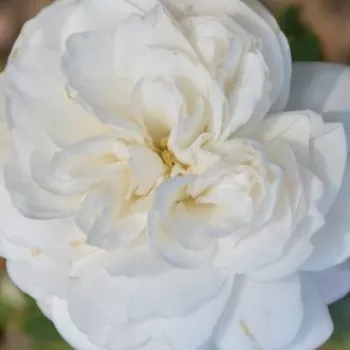
Small, cup-shaped blooms in clusters, 0.5–1.5 inches across, very double with 40+ petals; repeat-flowering with a plentiful second flush when lightly deadheaded; most spent blooms persist and may require removal.
Colour data and phenology
Uniform, bright snow-white flowers (RHS 155D); buds glossy white with greenish tips; colour fades only slightly to creamy white, occasionally with a faint pinkish tinge in cool, humid weather before petals drop.
Fragrance and aroma
Medium-strength, clearly noticeable scent with a delicately sweet character; primarily an ornamental variety, with densely petalled flowers that are moderately attractive to pollinators rather than strongly nectar-focused.
Hip characteristics
Produces hips sparsely; when present they are small, spherical, around 6–10 mm in diameter, developing an orange-red colour that can lend subtle late-season interest without dominating the plant’s appearance.
Resistance and winter hardiness
Moderate resistance to powdery mildew, black spot and rust; tolerates heat well with regular watering during prolonged drought; reliably hardy to around −21 to −18 °C (RHS H7, Swedish zone 3, USDA zone 6b).
Horticultural recommendations
Plant 40–50 cm apart for edging, 50 cm for groundcover, 75 cm for solitary use; suitable for partial shade, containers and urban plantings; medium maintenance with occasional deadheading and basic pest and disease checks.
FAIRY DUST – white groundcover rose – Evers offers compact, low groundcover, reliable repeat-flowering and gentle fragrance in a durable own-root form that suits long-lived, easy-care family gardens, and is well worth considering for your next planting.
Detailed product attributes
Product Identification Data
Product Name:
FAIRY DUST – white groundcover rose - Evers
Product Type:
darinaROSE® ORIGINAL - 2-litre own-root potted rose
Full Bloom:
Pure white, with a faint pearlescent sheen on the outer petals.
Before Fading:
Leaning towards creamy white, without paling or browning.
Colour Fading Description:
Colour fades only slightly: the pure snow‑white tone remains over most of the opening, turning slightly creamy‑white before the bloom fades; in cool, humid weather a faint pinkish tinge may appear.
Pollinator Attraction:
The flowers moderately attract pollinators, with flower form (single/semi-double/double) and the accessibility of the stamens affecting their attractiveness.
Pollinator-Friendly Rating:
A very double-flowered cultivar that only moderately attracts pollinators, therefore primarily ornamental and at best partly pollinator-friendly.
Our product is a rose grown with pharmaROSA®’s unique cultivation technology!
2-litre, own-root, potted rose.
With a shoot system appropriate to the season.
With a root system that thoroughly permeates the growing medium.
Quality compliant with the requirements of the E.N.A. (European Nurserystock Association).
Supplied in unique packaging that prevents damage.
Can be planted during frost-free periods.
True-to-variety rose bush with a unique identifier.
The pharmaROSA® own-root potted rose is a well-rooted plant that supports reliable establishment when planted and cared for properly, so it can be planted whenever the soil is not frozen.
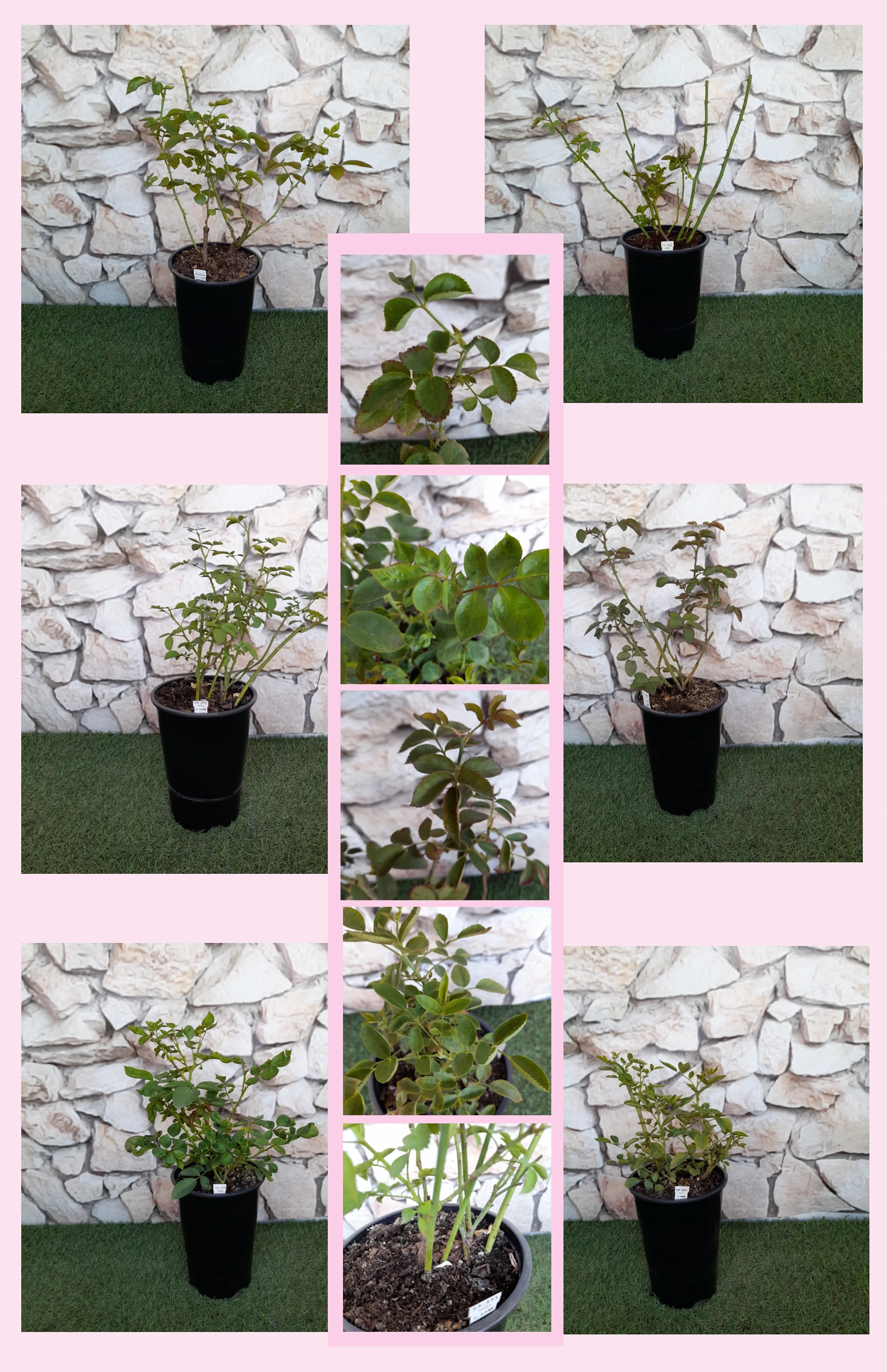
Crop overview: several varieties and growth stages in a short crop section.Shoot system: intensive growth of fresh basal shoots on a young plant.Root system: demonstration of a vigorous root system permeating the growing medium, by removing the pot.Balance: mature plant with root system and shoots in harmony with each other.
Information about the videos
The video series is not a “seasonal showcase”; it illustrates the essence of pharmaROSA® own-root cultivation in a tangible way: how the plant is built up, what the root system is like and how the shoot system regenerates. The recordings were therefore made at different times and with plants at various stages of development, so mixed foliage levels and differing stages of growth may appear in the videos. They are not a ‘sample’ of the batch dispatched, but a visual explanation of how the technology works. The current condition of the rose available to order — typical for the given period and similar to what you can expect to receive in the parcel — is shown in the upper part of the product page.
Pages for private customers Garden roses for the family garden, with minimal care → ORIGINAL® Premium garden roses – instant impact, a truly showpiece garden → EXTRA® Pages for professionals and private customers Roses for public spaces – large areas, sustainable maintenance → NATURAL® Roses for projects – hedge and row planting, fast implementation → RAPID® For professional partners only Production – propagation material for garden roses, wholesale → NEONATAL®
Company details
PharmaRosa Ltd. Company registration number: 01-09-717479 VAT number: 13075314-2-43 Plant health registration no.: HU130721 Bank account (IBAN): HU85117631891388688400000000 BIC (SWIFT): OTPVHUHB Bank name: OTP Bank Nyrt.