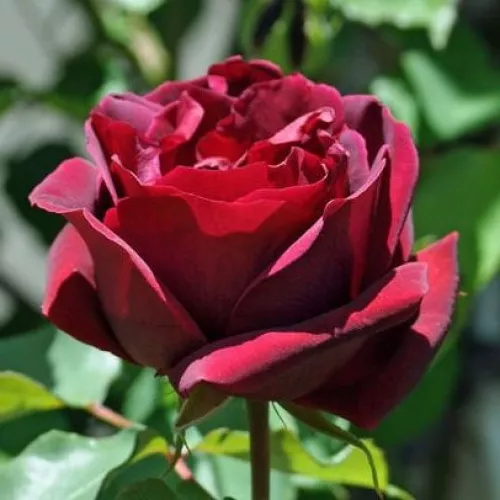
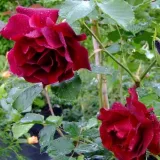
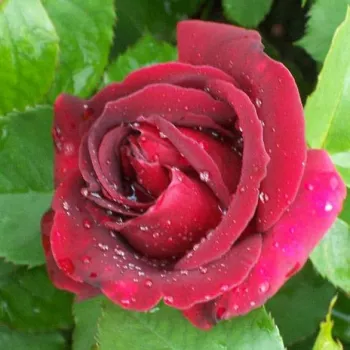
ÉTOILE DE HOLLANDE – crimson-red climbing rose - Leenders
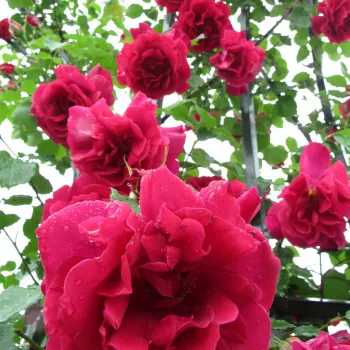
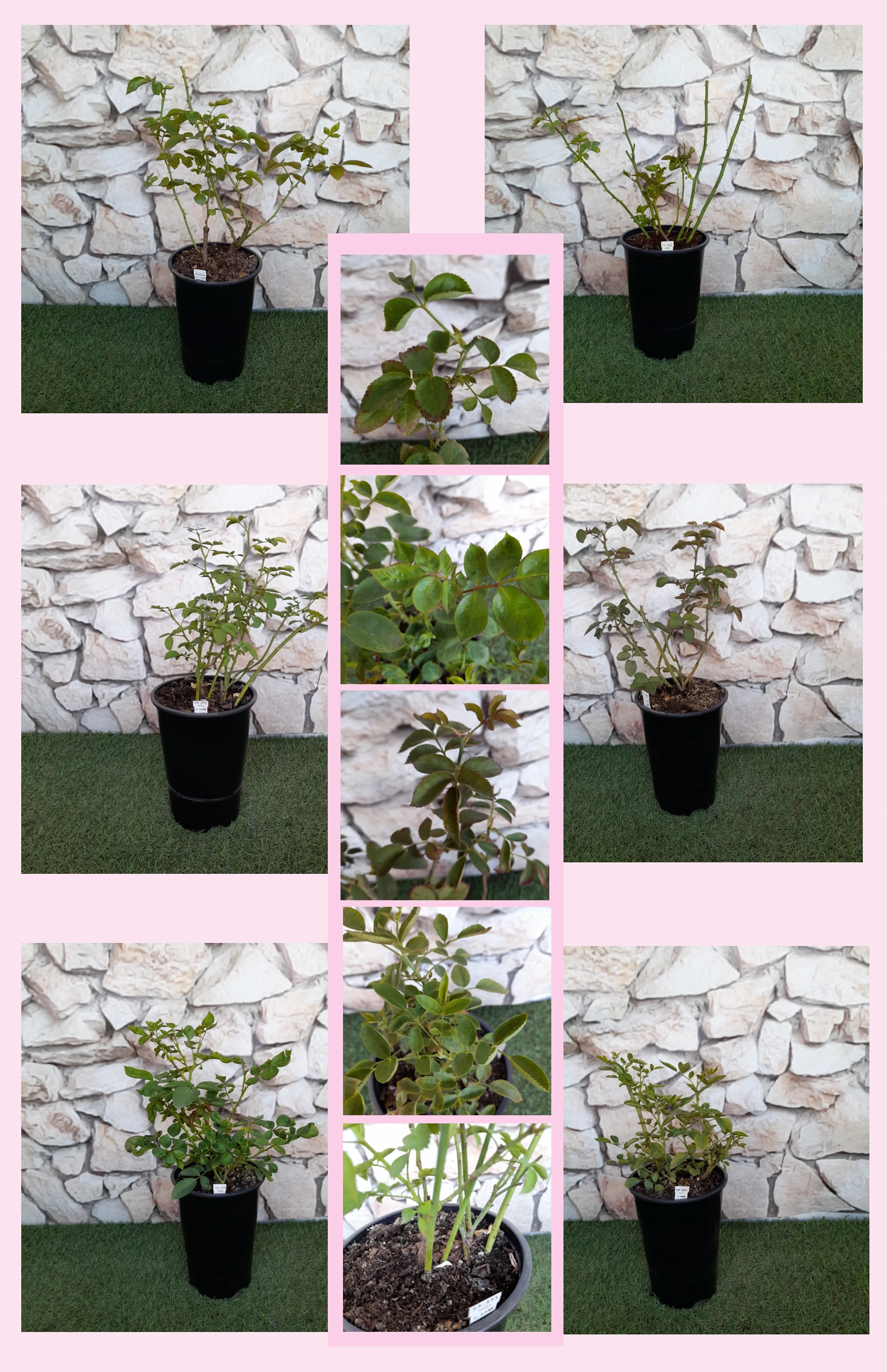
Imagine late-summer afternoons with deep crimson blooms arched above you, their fragrance drifting through a small family garden as petals glow against dark foliage. ÉTOILE DE HOLLANDE is an own-root climbing rose chosen for longevity and dependable repeat-flowering, ideal where boundaries need softening and an old-fashioned, romantic mood is desired. Its strong, upright growth quickly clothes arbours, pergolas and fences, giving structure even in exposed spots, while the robust root system helps it cope steadily with blustery, rain-laden coastal weather. Plant once, then enjoy how an initially modest plant settles, extends and matures into a characterful, long-lived climber that keeps your cottage-style seating area feeling quietly cosy.
Usage options
| Target area |
Reasoning |
| Family garden arbour or arch |
Ideal for training over an arch where you sit for tea or children play underneath, its strong, upright canes form a leafy tunnel within a few seasons, and the very strong perfume creates a storybook atmosphere for scent-loving families and romantic homeowners. |
| Pergola beside a terrace |
Use it to clothe a pergola by the patio, where the repeat-flowering habit ensures more than one flush of crimson blooms each season, giving changing yet reliable colour above outdoor tables for busy gardeners who still value continuity and low-fuss impact. |
| Climbing accent on a house wall or fence |
Its reasonably compact spread suits average-sized plots, rising neatly up trellis or wires without overwhelming the space, while the medium maintenance needs fit homeowners who want a traditional climbing rose outline without specialist skills, particularly time-pressed families. |
| Wind-exposed boundary in coastal areas |
Once anchored on a sturdy support, the upright framework and sound root system help it cope with frequent rain and brisk winds near the sea, giving a sheltered, velvety backdrop in gardens where softening fences matters to coastal cottage gardeners. |
| Cottage-style mixed border focal point |
Positioned as a solitary climber behind perennials and herbs, its velvety crimson flowers and dark foliage supply vertical drama and classic rose scent, complementing kitchen-garden style layouts for traditional cottage-plot owners. |
| Large feature container on a small terrace |
In a substantial container of at least 40–50 litres with a wigwam or obelisk, it offers climbing romance even where soil is poor or paving dominates, suiting balcony-edge or courtyard areas tended by urban rose enthusiasts. |
| Long-term planting for easy-care structure |
As an own-root rose it regenerates well from the base, supporting a long lifespan with stable ornamental value and forgiving renewal pruning, which reassures those planning a garden framework they can keep for years, especially forward-planning homeowners. |
| Developing new gardens over several seasons |
From the first year’s root establishment to stronger second-year shoots and a full ornamental presence by around the third season, it fits naturally into phased garden projects and rewards patient hobby-gardeners. |
Styling ideas
- Arbour sanctuary – Train it over a simple timber arbour with a bench beneath, pairing with coral bells at the base for soft foliage contrast – for homeowners wanting a storybook reading corner.
- Kitchen-garden frame – Let it climb a rustic arch leading into a vegetable plot, underplanted with dwarf deutzia to echo white spring blossom – for those who love productive yet romantic cottage layouts.
- Terrace pergola – Weave canes along a pergola above an outdoor table, interplanting with fragrant herbs such as thyme and mint – for families who dine outside and appreciate scented summer evenings.
- Courtyard column – Grow it in a 50-litre pot with an obelisk, backed by a warm wall and flanked by container-grown grasses for texture – for urban gardeners seeking a traditional rose in a paved space.
- Winter-and-summer drama – Combine it on a fence with Cornus ‘Midwinter Fire’ for winter stem colour and summer crimson blooms – for design-conscious gardeners wanting year-round visual structure.
Technical cultivar profile
| Parameter |
Data |
| Name and registration |
ÉTOILE DE HOLLANDE – crimson-red climbing rose - Leenders; climbing form of ‘Étoile de Hollande’; large-flowered climber, ARS exhibition name Climbing Étoile de Hollande. |
| Origin and breeding |
Bred by Mathias Peter Hubert Leenders, Netherlands, 1931; parentage ‘Étoile de Hollande’ (Verschuren, 1919), with ‘General MacArthur’ × ‘Hadley’; introduced by M. Leenders & Co. |
| Awards and recognition |
Historical cultivar with notable recognition, including Barcelona Certificate of Merit (1932) and the Royal Horticultural Society Award of Garden Merit (AGM) for reliable garden performance. |
| Growth and structural characteristics |
Own-root climber with upright habit, about 90–160 cm high and 70–130 cm wide; medium-density dark green foliage, moderately thorny canes, weak self-cleaning so deadheading is recommended. |
| Flower morphology |
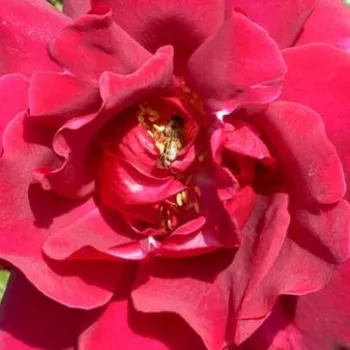
Very large, double, cup-shaped blooms with roughly 26–39 petals; mostly solitary flowers on long stems; remontant with an abundant second flush in suitable conditions, good for exhibition-style cutting. |
| Colour data and phenology |
Deep velvety crimson-red with purplish and blackened edges; ARS colour DR, RHS 53B outer, 53A inner; colour deepens in cool weather, fades slightly in strong sun; buds open almost black-red and glossy. |
| Fragrance and aroma |
Very strong, classic rose scent, noticeable from a distance in still air; traditional old-rose character ideal near seating; double form limits pollen access, so it is mainly ornamental rather than pollinator-focused. |
| Hip characteristics |
Where flowers are left uncut, may form small, ovoid orange-red hips about 10–16 mm; hips are generally few, as regular deadheading to promote repeat flowering reduces fruiting. |
| Resistance and winter hardiness |
Hardy to approximately –32 to –29 °C (RHS H7, Swedish zone 5, USDA 4b); disease resistance medium overall with good resistance to black spot and powdery mildew, moderate susceptibility to rust. |
| Horticultural recommendations |
Best in full sun with fertile, well-drained soil; medium maintenance, occasional plant protection; plant roughly 90–150 cm apart depending on use; water during prolonged drought and tie in shoots to supports. |
ÉTOILE DE HOLLANDE offers velvety crimson blooms, powerful fragrance and long-lived own-root reliability, making it an atmospheric, easy-care climber worth considering for your next cottage-style planting.