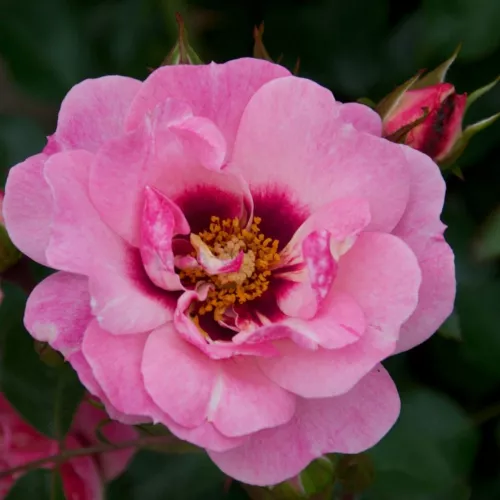
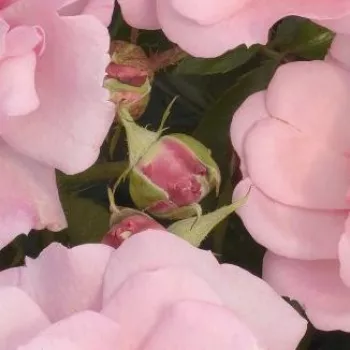
BLISSY – pale pink flowerbed shrub rose
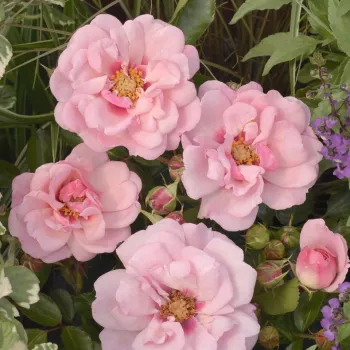
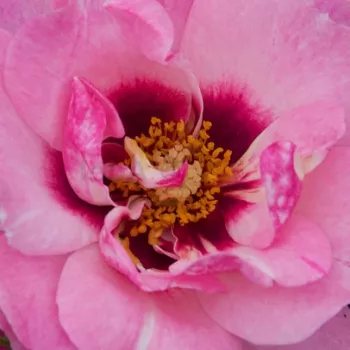
Bring Blissy into your garden if you would like a compact, bushy rose that slips easily into a cottage-style border and stands up well where gardens are exposed to brisk winds and frequent rain. Its light pastel-pink petals and darker eye give a gentle, storybook charm, while the semi-double, open flowers are particularly inviting to bees, adding discreet life and movement around your seating areas or kitchen garden beds. As an own-root shrub, it establishes steadily and offers reassuring longevity, with a natural rhythm that sees roots settle first, shoots fill out the next season and full ornamental value following in the third year. The variety’s good disease resilience and reliable remontant flowering mean less fuss and more time simply to enjoy your plot, whether it is a small urban space or a village garden. In a 2‑litre container-grown form, it is straightforward to plant throughout the season, supporting easy care for busy owners who still want a traditionally romantic garden that feels like an outdoor haven.
Usage options
| Target area | Reasoning |
|---|
| Front-of-border cottage bed |
The compact, bushy habit and 70–95 cm height make this rose ideal for the front of a mixed cottage border, where its pastel pink blooms with a darker eye read clearly without overwhelming neighbouring perennials. Regular remontant flowering keeps colour going between traditional cottage staples, giving a soft, romantic focal strip for those who enjoy relaxed, storybook planting, especially beginners. |
| Family flowerbed near seating |
Semi-double blooms with accessible stamens are specifically attractive to pollinators, so beds around a terrace or bench gain both colour and gentle wildlife activity without the need for complex maintenance. The mild fragrance is pleasant but not overpowering at close quarters, making this a good companion to family seating or an afternoon tea corner for those who want interest rather than intensity, especially families. |
| Low informal hedge |
Dense, mid-green foliage and a naturally even, bushy shape allow this rose to form a low, informal hedge along paths or to edge a kitchen garden. Recommended spacings of 50–60 cm give a softly knitted line of colour while still allowing air to move through, helping foliage stay healthy. Light annual shaping is usually enough, which suits those preferring traditional structure with minimal work, especially homeowners. |
| Small urban front garden |
This variety’s good resistance to powdery mildew and rust, together with reliable winter hardiness down to around –23 °C, makes it a stable choice for exposed, space-limited front gardens. The compact size avoids the need for frequent hard pruning or complicated training, while own-root plants recover more readily from accidental damage, reassuring those with little time or experience, especially busy-owners. |
| Raised bed on heavier soils |
In raised beds above heavier clays, the well-branched, compact framework anchors quickly and sends out strong new growth from its own root system, giving a dependable presence even when conditions are not perfect. Over the seasons the shrub fills out into a rounded dome of foliage and flowers, gradually enhancing the structure of the bed for those happy to let plants mature at a natural pace, especially planners. |
| Large container or half‑barrel |
Blissy adapts well to large containers of at least 40–50 litres, where its moderate height and dense foliage create a neat, rounded shrub that does not outgrow the pot too quickly. Regular remontant flowering keeps a doorway, balcony or paved yard looking dressed for much of the season, while own-root resilience helps the plant cope with the occasional lapse in watering typical of busy lives, especially urbanites. |
| Bed and border planting with low maintenance |
With only moderate self-cleaning, the occasional light deadheading encourages further flushes, but the plant will still present acceptably between tasks, suiting those who cannot be in the garden every weekend. Its disease profile means routine monitoring rather than intensive spraying, letting you focus on simple seasonal jobs. As an own-root rose, it offers steady structure and ornamental reliability over many years, especially pragmatists. |
| Romantic mixed planting in breezier sites |
In cottage-style mixes that face brisk coastal or open-country winds and frequent showers, the compact height and dense foliage help the plant remain upright and cohesive, while the flowers retain their soft colour contrast without looking battered. Combined with sturdy companions, it creates a resilient romantic picture that still feels delicate, appealing to those who garden where the weather is lively, especially coast-dwellers. |
Styling ideas
- Cottage-Front Row – Plant Blissy along the front of a perennial border with foxgloves and hardy geraniums to create a low, billowing edge of pastel colour – suited to beginners wanting classic cottage charm.
- Tea-Corner Border – Group three plants near a bench, underplanted with Carex morrowii and soft pink campanulas, for a long-flowering, easy-care surround to an afternoon tea nook – ideal for families who entertain outdoors.
- Kitchen-Garden Hedge – Use a line of Blissy as a low hedge dividing vegetable beds, combining pretty flowers and pollinator support without complex pruning – good for home growers who like a traditional potager look.
- Container-Entrance Pair – Plant single specimens in 50‑litre half-barrels on either side of a front door, underplanted with trailing thyme for scent and softness – perfect for urbanites wanting impact from limited space.
- Romantic-Mix Drift – Create a loose drift with Blissy, Clematis ‘Sweet Morning’ and airy grasses for a gently tumbling, storybook effect that remains fairly undemanding – attractive to cottage-style gardeners who prefer relaxed structure.
Technical cultivar profile
| Characteristic | Data |
|---|
| Name and registration |
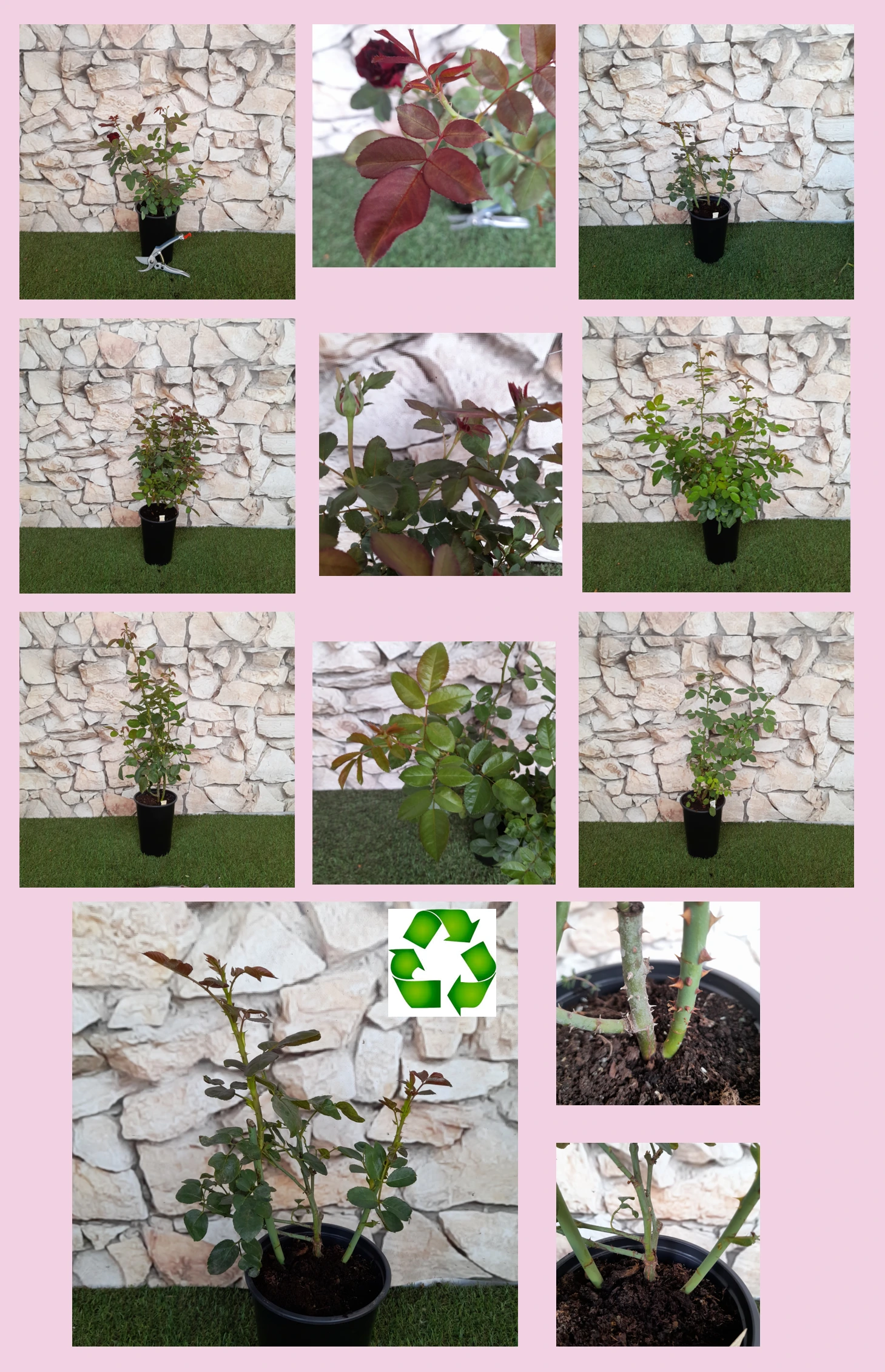
Blissy is marketed as BLISSY – pale pink flowerbed shrub rose; a Hybrid Hulthemia persica shrub in the bed rose group, supplied as a verified, own-root darinaROSE ORIGINAL 2‑litre plant. |
| Origin and breeding |
The selection was discovered by pharmaROSA, with parentage and initial breeding details unknown; introduced to the market through PharmaRosa Ltd. and now distributed for family and cottage gardens. |
| Growth and structural characteristics |
Compact, bushy shrub reaching around 70–95 cm in height and 50–75 cm spread, with dense, slightly glossy mid‑green foliage and moderate prickliness, forming a rounded, well‑filled outline over time. |
| Flower morphology |
Semi-double, medium-sized blooms about 1.5–2.75 inches across, typically borne in clusters of three to five per stem, with a flat, open face that presents stamens clearly and encourages repeat flowering. |
| Colour data and phenology |
Outer petals show light pastel pink, blending to deeper tones and a pronounced dark crimson-red eye; colour softens slightly as blooms age but maintains an attractive contrast throughout repeated flushes. |
| Fragrance and aroma |
The flowers offer a mild, subtle scent that adds gentle character without dominating nearby seating areas, aligned with its use beside terraces or doors where discreet fragrance is preferred. |
| Hip characteristics |
Occasional spherical rose hips may form, approximately 5–8 mm in diameter, coloured red and adding a modest seasonal detail; hips are generally secondary to the main ornamental value of the flowers. |
| Resistance and winter hardiness |
Rated hardy to about –26 to –23 °C (RHS H7), with good resistance to powdery mildew and rust and moderate black-spot tolerance, supporting reliable garden performance in cooler, damp-prone regions. |
| Horticultural recommendations |
Recommended for beds, borders, low hedges, specimen planting and large containers, spaced 50–100 cm apart; prefers a well-ventilated site, with closer attention to plant health in enclosed, humid courtyards. |
BLISSY – pale pink flowerbed shrub rose offers compact romantic colour, good disease resilience and long-lived own-root reliability for relaxed, cottage-style gardens; a considered choice if you seek easy charm with modest care.