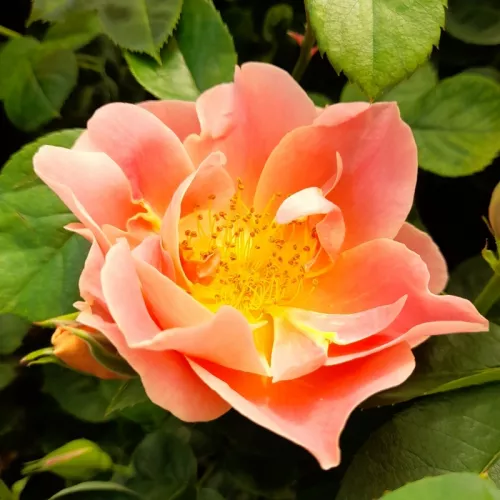
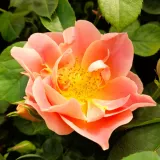
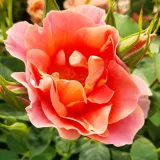
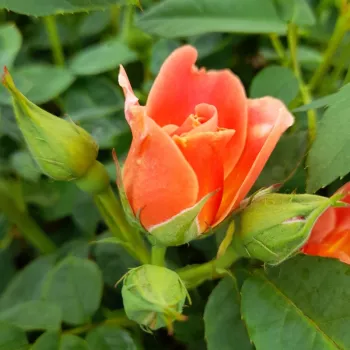
EDOUARD GUILLOT™ – salmon-pink bedding floribunda rose
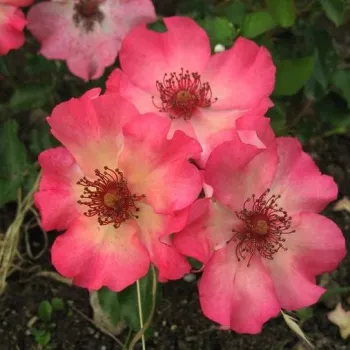
Imagine soft salmon blooms punctuating your cottage-style borders from early summer, creating a truly romantic setting for afternoon tea beneath an arbour. EDOUARD GUILLOT™ is a bushy floribunda that keeps its compact habit, ideal for average family gardens where space matters yet you still want generous clusters of colour. The semi-double flowers show golden stamens, offering a gently wildlife-friendly landing place for bees while remaining tidy and elegant enough for a small cutting posy. Own-root plants develop steadily into robust bushes, giving long-lived stability and the reassuring ability to regrow if damaged, so you are not tied to demanding aftercare. In typical British conditions it copes reliably with breezy, showery spells near the coast and benefits from reasonable drainage on heavier soils, so you can plan borders with confidence rather than constant fussing. Over the first seasons it knits in gracefully – first strengthening its roots, then building shoots, and by the third year forming the full, storybook display you imagined.
Usage options
| Target area | Reasoning |
|---|
| Front-of-border cottage bedding |
The compact, bushy growth and medium height make this rose easy to place along the front or mid-front of a mixed border without overwhelming nearby perennials. Repeating flushes of salmon-pink clusters keep colour going through summer with only light deadheading, suiting time-poor cottage-style homeowners. |
| Informal low hedge beside paths |
Planted at the recommended closer spacing, the dense foliage and branching habit form a low, flowered boundary that reads as a neat but relaxed hedge. It is straightforward to keep in shape with simple annual trimming rather than intricate pruning, ideal for traditional-looking paths used daily by busy families. |
| Feature rose in a large container |
In a 40–50 litre pot this floribunda keeps a manageable size while giving generous flowering on patios or balconies. Own-root vigour supports gradual renewal of shoots from the base, so the plant stays attractive for years rather than just a season, a reassuring choice for urban beginners. |
| Kitchen-garden edging and cutting patch |
The tidy clusters of semi-double blooms are easy to snip for small jugs indoors, while the plant’s moderate maintenance needs fit well around vegetable-plot tasks. Its salmon and coral tones harmonise with herbs and soft fruit, bringing gentle ornament without complicating routines for cottage-style gardeners. |
| Family lawn island bed |
A single bush or small group in a central bed offers a reliable focal point that flowers repeatedly without complex shaping. Own-root growth and hardy constitution give good longevity, so the rose matures gracefully as the family garden develops, suiting long-term-minded owners. |
| Mixed border with wildlife interest |
The semi-double form with visible stamens and mild fruity fragrance helps attract pollinating insects, adding subtle ecological value without sacrificing ornamental impact. This supports a more “breathable” garden approach that relies less on chemicals, aligning with environmentally aware buyers. |
| Coastal or breezy suburban gardens |
Its bushy framework and moderate disease tolerance cope well with typical British spells of wind and rain, especially where soil drains reasonably even on heavier clays. That makes planning borders less risky in changeable weather, a comfort for coastal and exposed-site gardeners. |
| Easy-care romantic rose grouping |
Plant in small drifts to build a storybook effect without demanding pruning schedules: simple thinning and height control once a year is generally sufficient. The gradual build-up from roots to mature shrub rewards patience with dependable flowering, suiting those wanting romance without constant maintenance. |
Styling ideas
- Cottage-Romantic Drift – Group three to five bushes along a path with baby’s breath and lavender for a soft, cloud-like edge – ideal for lovers of classic cottage style.
- Kitchen-Garden Border – Line vegetable beds with alternating plants of this rose and low herbs, letting the salmon blooms soften the productive rows – perfect for rural kitchen-garden enthusiasts.
- Patio Feature Pot – Place a single plant in a 50-litre clay container with trailing sedum around the rim for year-round structure – suited to balcony and small-terrace dwellers.
- Mixed Wildlife Corner – Combine with verbena and ornamental grasses so bees drift between semi-double roses and airy flower spikes – appealing to nature-conscious families.
- Lawn Island Focus – Set three roses in a triangle in the middle of the lawn, underplanted with low groundcover like goldmoss stonecrop – attractive for homeowners wanting a simple, romantic focal point.
Technical cultivar profile
| Property | Data |
|---|
| Name and registration |
Floribunda bed rose from the Terre des Roses collection; registered as MASedogui, marketed as EDOUARD GUILLOT™ with verified cultivar authenticity for reliable identification in home gardens. |
| Origin and breeding |
Bred by Dominique Massad for Guillot in France and introduced in 2004; parentage is unrecorded, but selection focused on floribunda habit and decorative salmon-pink cluster flowering. |
| Growth and structural characteristics |
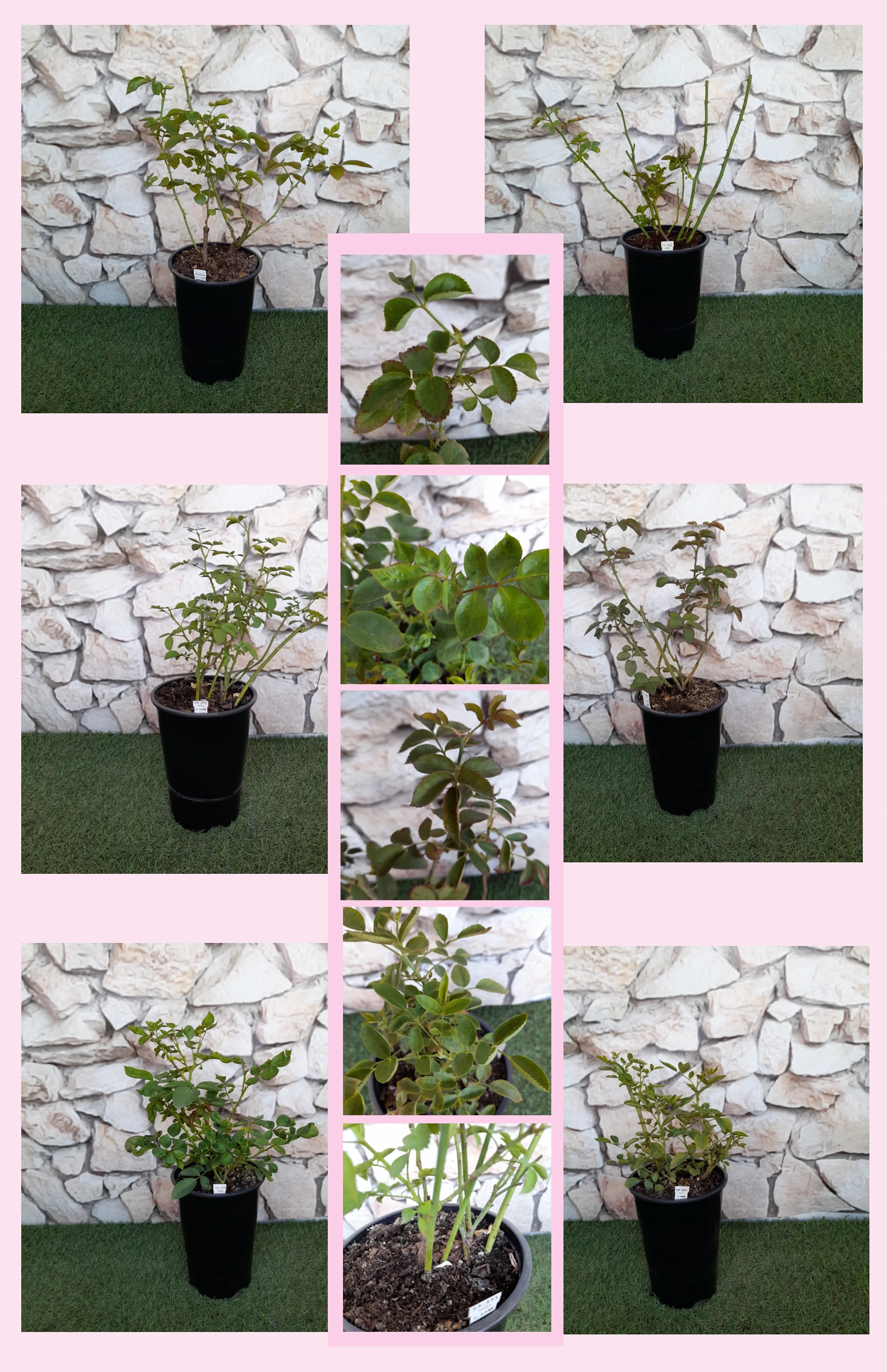
Bushy, medium-height shrub around 70–90 cm tall and 50–70 cm wide, with dense, glossy mid-green foliage and moderate prickliness, forming a compact, rounded outline in beds or containers. |
| Flower morphology |
Semi-double, flat flowers of medium size in clustered inflorescences, typically with 13–25 petals, producing repeated flushes with a particularly abundant second flowering period in the season. |
| Colour data and phenology |
Vibrant coral-salmon tones on opening, maturing to uniform salmon-pink, then soft peach-pink with pale cream edging; colour retention is moderate, giving a gently evolving palette on each truss. |
| Fragrance and aroma |
Mild, fresh fruity fragrance noticeable at close range, complementing its ornamental use near seating areas without overpowering; semi-double form with visible stamens offers partial pollinator appeal. |
| Hip characteristics |
Produces modest, spherical hips around 6–10 mm across, in warm orange-red shades; hips are generally decorative rather than dominant, adding a light seasonal accent later in the year. |
| Resistance and winter hardiness |
Hardy to approximately −21 to −18 °C (RHS H7, USDA 6b) with moderate resistance to black spot, mildew and rust; tolerates heat if watered regularly, performing reliably in typical UK conditions. |
| Horticultural recommendations |
Best grown in a sunny position in fertile, well-drained soil; allow 35–65 cm spacing depending on hedge, mass planting or specimen use, and apply routine yet moderate pest and disease monitoring. |
EDOUARD GUILLOT™ offers compact, floriferous bedding colour with gentle wildlife appeal and long-lived own-root reliability, making it a thoughtful choice for relaxed, romantic family gardens you wish to enjoy for years.