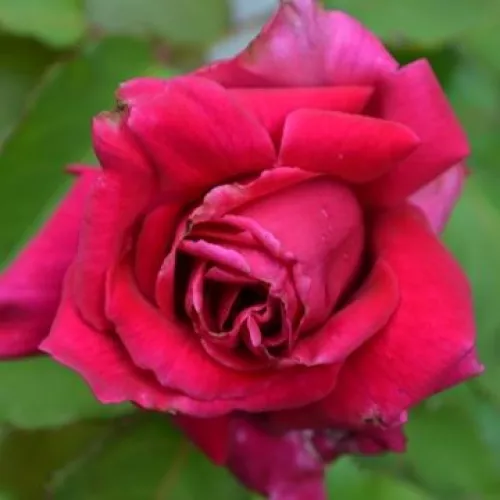
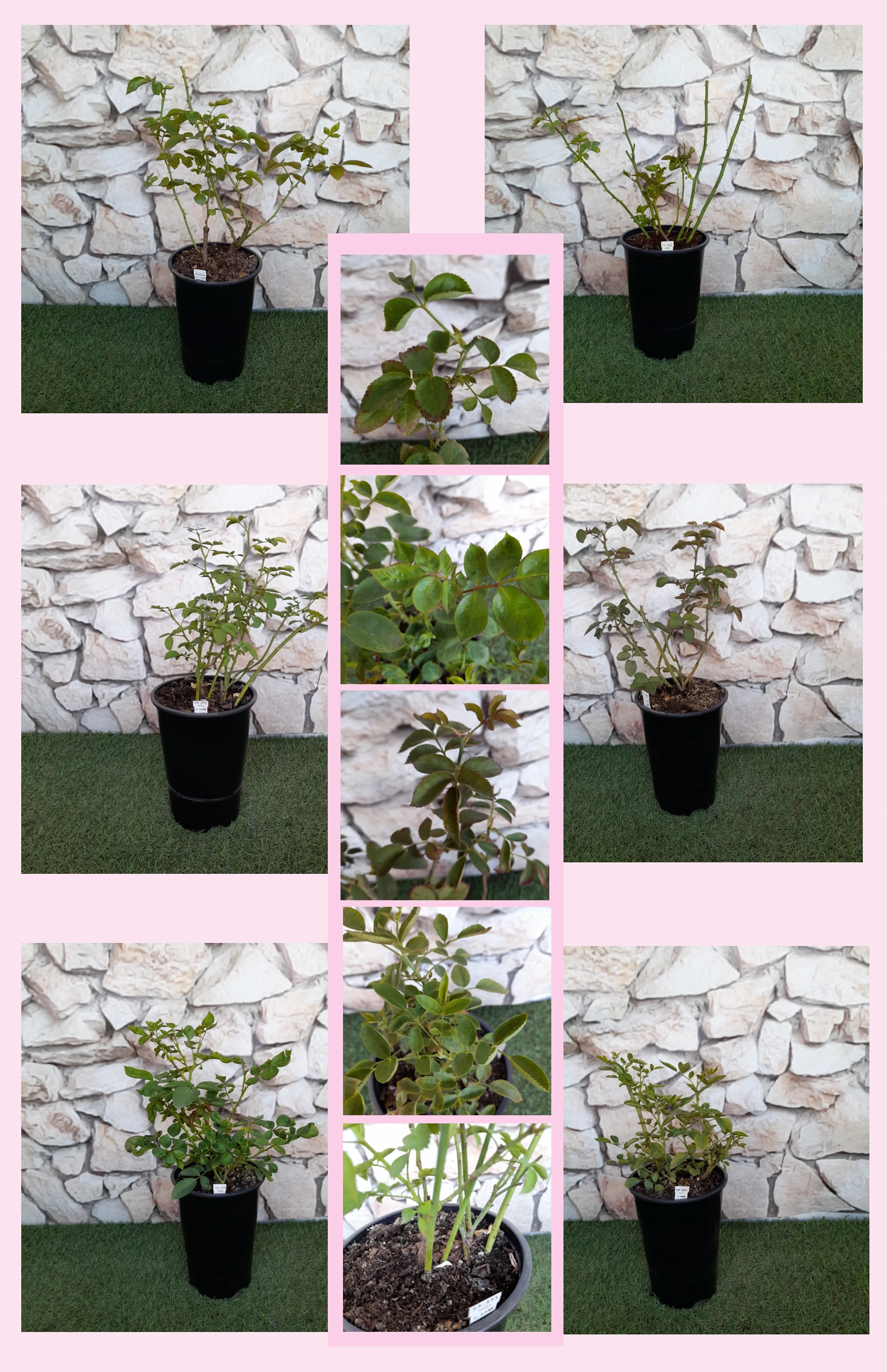
DUCHER 1845 – red hybrid tea rose – Ducher
Imagine afternoon tea under an arbour, framed by velvety blooms of DUCHER 1845, a rich, storybook hybrid tea rose bred by Roseraie Ducher and supplied as an own-root, 2-litre plant for effortless family gardens. Its romantic high-centred buds open repeatedly from early summer, keeping borders in flower even when your time is limited. With an upright shrub habit and dark green foliage, it fits neatly into cottage-style mixed beds, performing reliably even where gardens face prevailing winds and need secure anchoring in exposed positions. The strong, fruity fragrance carries over patios and seating areas, while the generous stem length lends itself to elegant cut-rose arrangements indoors. As an own-root rose it offers long-term stability, quietly rebuilding from the base after harsh winters and maintaining its ornamental value for years. It settles quickly into typical British clay or chalk soils if you provide basic drainage, rewarding minimal maintenance with dependable flowering. In its first season it concentrates on rooting, the second year brings stronger shoots, and by the third year you enjoy its full cottage-garden presence.
Usage options
| Target area |
Reasoning |
| Main view border near terrace or seating |
The rich red, high‑centred blooms repeat reliably through the season, so the plant performs well where you see it every day from the house. The upright hybrid tea form keeps a tidy outline that fits smaller family borders without becoming sprawling, yet still looks substantial from a distance. This makes it a good choice when you want consistent visual impact from spring to autumn with modest effort for the busy homeowner. |
| Traditional cottage-mixed bed with perennials |
Its romantic, velvety red flowers and dark foliar backdrop blend naturally with classic cottage companions such as verbena, thyme and low, silver foliage. The bushy, erect habit fills vertical space without overshadowing herbs and perennials, helping you achieve a layered, informal look. Occasional dead-heading and a simple winter prune are normally enough to keep it flowering freely for the country-cottage enthusiast. |
| Feature planting as a single specimen rose |
Planted on its own by a path, gate or arbour post, the strong fragrance and striking colour draw attention without needing a complex planting scheme. At around 80–110 cm, it is easy to integrate with existing shrubs while remaining clearly defined as a focal point. The own-root form supports a long-lived, stable shrub that will mature gracefully for the sentimental gardener. |
| Cutting patch for home-cut flowers |
The high-centred, pointed buds and long, straight stems make this variety naturally suited to cutting for vases, giving you florist-style roses from your own garden. Because it flowers repeatedly and abundantly, you can harvest stems without leaving the bush bare. This is ideal if you wish to enjoy the strong, fruity perfume both outdoors and indoors as a home flower-arranger. |
| Small front garden or narrow side border |
The moderate height and spread help it fit into tighter spaces, such as front garden beds between drive and path. Its upright habit reads as neat and intentional even when time for detailed maintenance is limited. Average disease resistance, with good tolerance to powdery mildew and black spot, supports respectable appearance for the time-pressed owner. |
| Partially shaded town garden corner |
This cultivar tolerates partial shade, so it can be used where fences, garages or neighbouring buildings cast shade for part of the day. In such spots many roses underperform, but DUCHER 1845 will still produce meaningful flowering, especially if the soil is improved and drainage ensured. This brings a romantic touch to less-than-ideal corners for the urban gardener. |
| Large container on patio or balcony |
In a 40–50 litre or larger pot with quality compost, its compact, upright habit and repeat flowering offer a clear vertical accent by doors or seating. Container culture also helps manage wet, heavy soils by lifting roots above poor drainage. Own-root resilience means the bush can recover well after repotting, suiting the practical needs of the container grower. |
| Mixed shrub and hedge line in exposed plots |
Planted at the recommended spacing, it contributes colour and perfume to a mixed low hedge or shrub line. The bushy structure and moderate thorniness help it knit with neighbouring shrubs, while its framework anchors well where gardens experience strong winds and need reliable stability in exposed situations. Medium maintenance and solid winter hardiness work in favour of the family gardener. |
Styling ideas
- Cottage-Border Focus – Position DUCHER 1845 mid-border with Verbena hastata ‘White Spires’ and dwarf Artemisia in front to contrast its velvety red blooms – ideal for romantic cottage-style admirers.
- Fragrant-Path Edging – Plant a loose row along a main garden path, underplanting with creeping thyme to soften the base while you brush past strongly scented blooms – suited to fragrance lovers.
- Patio-Container Accent – Grow one plant in a 40–50 litre terracotta pot, pairing with trailing thyme and seasonal annuals for a tidy, long-flowering focal point – perfect for balcony and patio users.
- Cutting-Garden Row – Arrange several bushes in a straight line behind the kitchen garden, giving easy access to long-stemmed, classic red roses for the house – appealing to home florists.
- Front-Garden Feature – Use a single shrub near the front door with pale perennials and low hedging to highlight its rich colour and neat habit – attractive for traditional front-garden keepers.
Technical cultivar profile
| Parameter |
Data |
| Name and registration |
DUCHER 1845 is a hybrid tea shrub rose marketed as a red hybrid tea rose; current trade name Ducher 1845 Hybrid tea rose Ducher, with no separate registered exhibition name recorded. |
| Origin and breeding |
Bred by Fabien Ducher at Roseraie Ducher, Châteauneuf, Loire, France; introduced and registered in 2014, with parentage not published and initial distribution handled by Roseraie Ducher. |
| Growth and structural characteristics |
Forms an upright, bushy shrub 80–110 cm tall and 65–95 cm wide, with moderately dense, dark green, slightly glossy foliage and moderate prickliness; structure suits beds, hedging and specimen use. |
| Flower morphology |
Bears large, double, high-centred blooms with 26–39 petals, mainly solitary on stems, classic pointed-bud hybrid tea form; remontant with particularly abundant second flush, suitable for cutting. |
| Colour data and phenology |
Displays deep velvety red flowers with a subtle purple undertone; colour shifts from intense scarlet to uniform deep crimson, then to muted cherry red with paler petal edges as blooms age. |
| Fragrance and aroma |
Noted for a strong, long-lasting fruity-sweet scent that is easily perceptible around the plant; fragrance quality makes it particularly suitable for seating areas, entrances and cutting for indoor enjoyment. |
| Hip characteristics |
Occasionally forms small, bright red spherical hips 10–14 mm across; hips are decorative but not produced in heavy quantities, adding modest late-season interest without affecting flowering performance. |
| Resistance and winter hardiness |
Rated H7, hardy approximately to –21 to –18 °C (USDA 6b, Swedish Zone 3), with good resistance to powdery mildew and black spot and moderate susceptibility to rust; overall disease resistance is moderate. |
| Horticultural recommendations |
Recommended for beds, specimen planting, fragrant gardens and cutting; plant 50–55 cm apart in groups or 90 cm as specimen, tolerate partial shade, with medium maintenance and occasional plant protection needed. |
DUCHER 1845 offers velvety, fragrant red blooms on an upright, repeat-flowering shrub whose own-root form supports long-term stability and easy renewal, making it a thoughtful choice for relaxed cottage-style gardens.