DUC DE CAMBRIDGE – purple historic Damask rose - Laffay
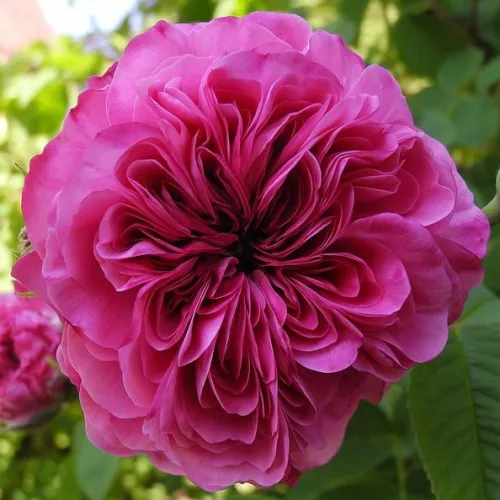
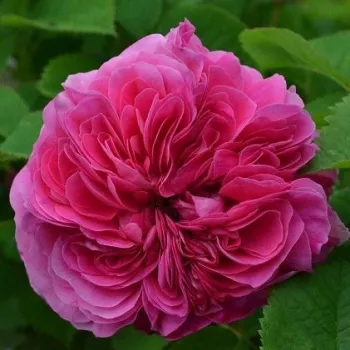
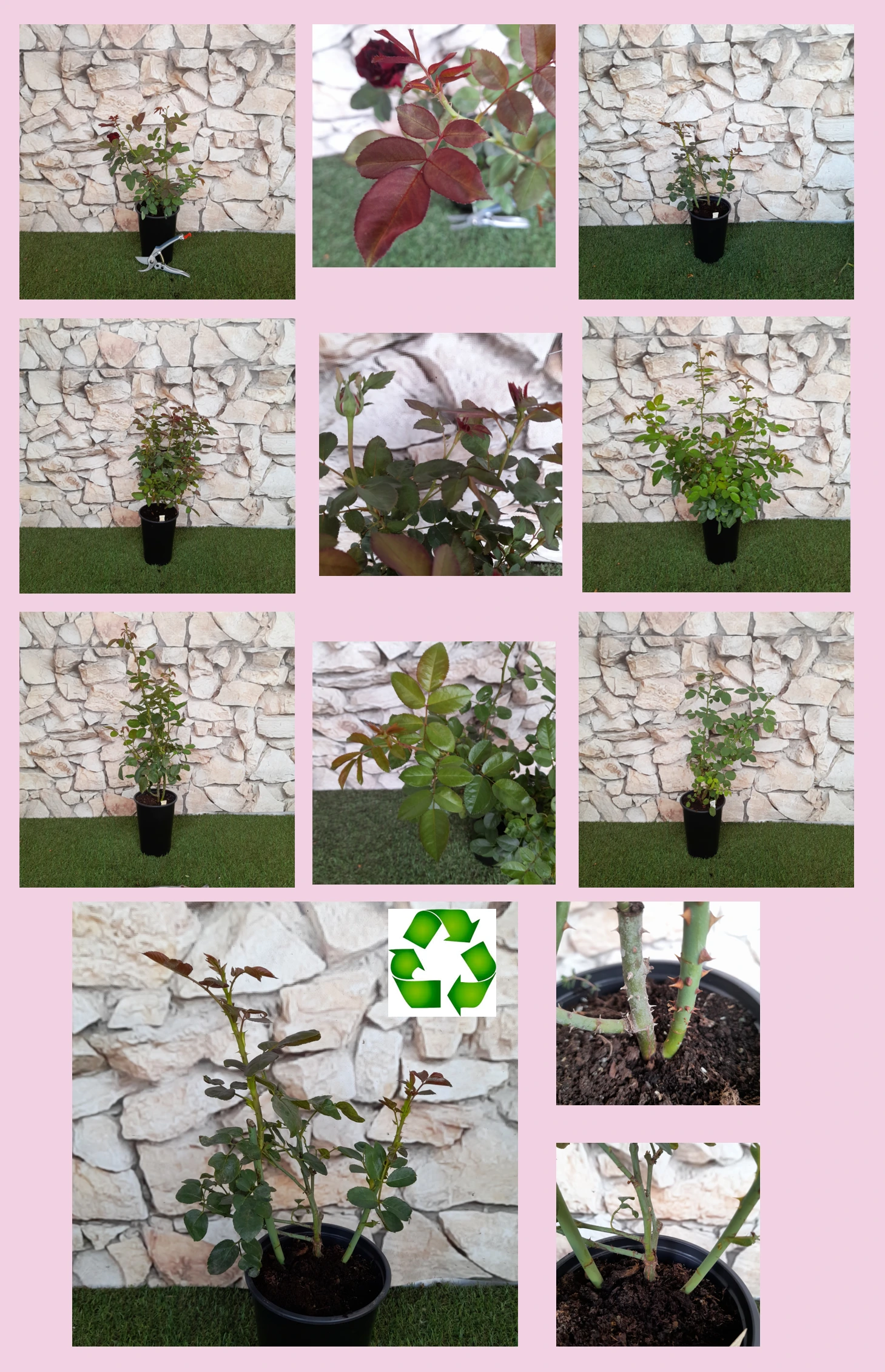
Bring a sense of romantic heritage to your garden with ‘Duc de Cambridge’, a tall, bushy historic Damask shrub rose whose richly petalled, purple-lilac rosettes fill the air with fragrance on warm summer days. This own-root, 2‑litre plant is easy to establish in ordinary family gardens, even where the soil is heavy and benefits from careful drainage and raised beds. Once settled, its dense, olive-green foliage and graceful, arching stems create a natural flowering screen for seating areas, paths or kitchen-garden edges. As a once-flowering Damask, it offers a concentrated, traditional summer spectacle, followed by occasional ornamental hips that add a gentle seasonal accent. Over time, the own-root structure supports a long-lived, regenerating framework that fits effortlessly into cottage-style borders and “girly” country planting, rewarding you with enduring character and minimal routine work as the years go by.
Usage options
| Target area |
Reasoning |
| Romantic focal point near a seating area |
Planted as a specimen beside a bench or terrace, ‘Duc de Cambridge’ creates a classic summer focal point, its very strong Damask perfume drifting through the garden on still evenings and inviting slow, lingering afternoons for romantic gardeners. |
| Cottage-style flowering hedge |
The tall, bushy habit and dense foliage make this rose an effective, traditional hedge along paths or boundaries, giving privacy and a soft, storybook outline once established, well suited to those who enjoy gentle, periodic care but not constant fuss, including busy homeowners. |
| Background rose for mixed cottage borders |
Used at the back of a border, its height and arching stems provide a soft framework for lower perennials and herbs, allowing you to build layered, “English countryside” planting while relying on a sturdy, long-lived shrub, ideal for cottage-style enthusiasts. |
| Fragrant historic rose collection or scented corner |
With its full, garden-filling scent and authentic Damask character, this cultivar is perfect for a small historic rose group or a dedicated scented nook, appealing to those who value atmosphere and tradition, particularly heritage-rose lovers. |
| Informal screen around family spaces |
Its strong growth and dense leaves form a natural, informal screen around play lawns or sitting areas, softening views without feeling rigid or overdesigned, suiting families who want beauty and a bit of seclusion, especially family gardeners. |
| Part-shaded, sheltered spots |
This rose tolerates partial shade, so it works in side gardens or areas with only a few hours of sun, still delivering a generous flush of colour and scent in early summer, useful for urban plot owners. |
| Raised beds and improved heavy soils |
On heavier clays it responds well to planting in raised or improved beds, where its own-root vigour anchors the plant securely and supports a dependable framework even in breezier sites with careful attention to drainage, reassuring for challenging-soil gardeners. |
| Large container by an entrance or terrace |
In a 40–50 litre or larger container with good compost, this rose can frame a doorway or terrace with nostalgic colour and perfume, while the own-root system gives long-term resilience and easier renewal of old stems, appealing to low-maintenance seekers. |
Styling ideas
- Cottage-archway – Place ‘Duc de Cambridge’ either side of an arch with herbaceous perennials beneath for a romantic entrance – ideal for lovers of traditional English cottage charm.
- Kitchen-border – Back a kitchen garden bed with this tall shrub, underplanting with herbs and lavender to echo its scent – perfect for home cooks who enjoy a rustic, productive plot.
- Evening-terrace – Use in a large container by a patio, combining with soft grasses to catch the light and carry its perfume – suited to busy urban owners wanting impact from one key plant.
- Storybook-hedge – Plant a loose row along a boundary, interspersed with old-fashioned perennials, to form a gentle, flowering screen – good for families seeking privacy with a romantic feel.
- Heritage-corner – Group it with other historic roses and silvery foliage plants for a small, museum-like rose corner – appealing to collectors and history-minded gardeners.
Technical cultivar profile
| Parameter |
Data |
| Name and registration |
Historic Damask shrub rose, current trade name ‘Duc de Cambridge’, marketed as DUC DE CAMBRIDGE – purple historic Damask rose - Laffay; unregistered cultivar in formal listing. |
| Origin and breeding |
Historic French Damask rose bred by Jean Laffay and introduced around 1840; parentage remains unknown, typical of many early nineteenth-century garden roses. |
| Growth and structural characteristics |
Tall, bushy shrub reaching about 200–300 cm high and 140–220 cm wide, with dense, olive-green matte foliage and plentiful thorns, forming a generous, upright to slightly arching framework. |
| Flower morphology |
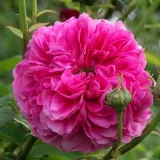
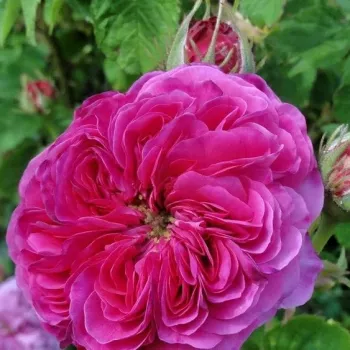
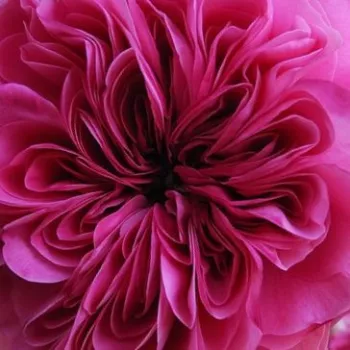
Medium-sized, very full rosette blooms with over 40 petals, borne mainly solitary on stems; once-flowering in early summer rather than repeating, in keeping with traditional Damask character. |
| Colour data and phenology |
Crimson-lilac to deep purple tones, darker in cool weather, softening toward lilac-pink as flowers age; colour may lighten slightly in strong sun, creating subtle mauve and silvery shading effects. |
| Fragrance and aroma |
Very strong, garden-filling Damask perfume with classic old-rose character; best appreciated near paths, seating areas or open windows where air circulation carries the scent. |
| Hip characteristics |
Produces occasional pear-shaped red-orange hips about 16–24 mm across; not heavily fruiting, but where they form they add modest late-season ornamental interest. |
| Resistance and winter hardiness |
Hardy to approximately -32 to -29 °C (RHS H7, USDA 4b, Swedish zone 5); disease resistance moderate, with some susceptibility to common rose fungi in humid seasons. |
| Horticultural recommendations |
Suitable as specimen, hedge or park rose and for scented gardens; prefers well-drained soil, with 105–190 cm spacing depending on use, and benefits from occasional, targeted plant protection. |
DUC DE CAMBRIDGE offers a tall, romantic presence with powerful Damask fragrance and reliable screening, while its own-root form supports long-lived structure and easier renewal; a thoughtful choice for traditional, cottage-style gardens.