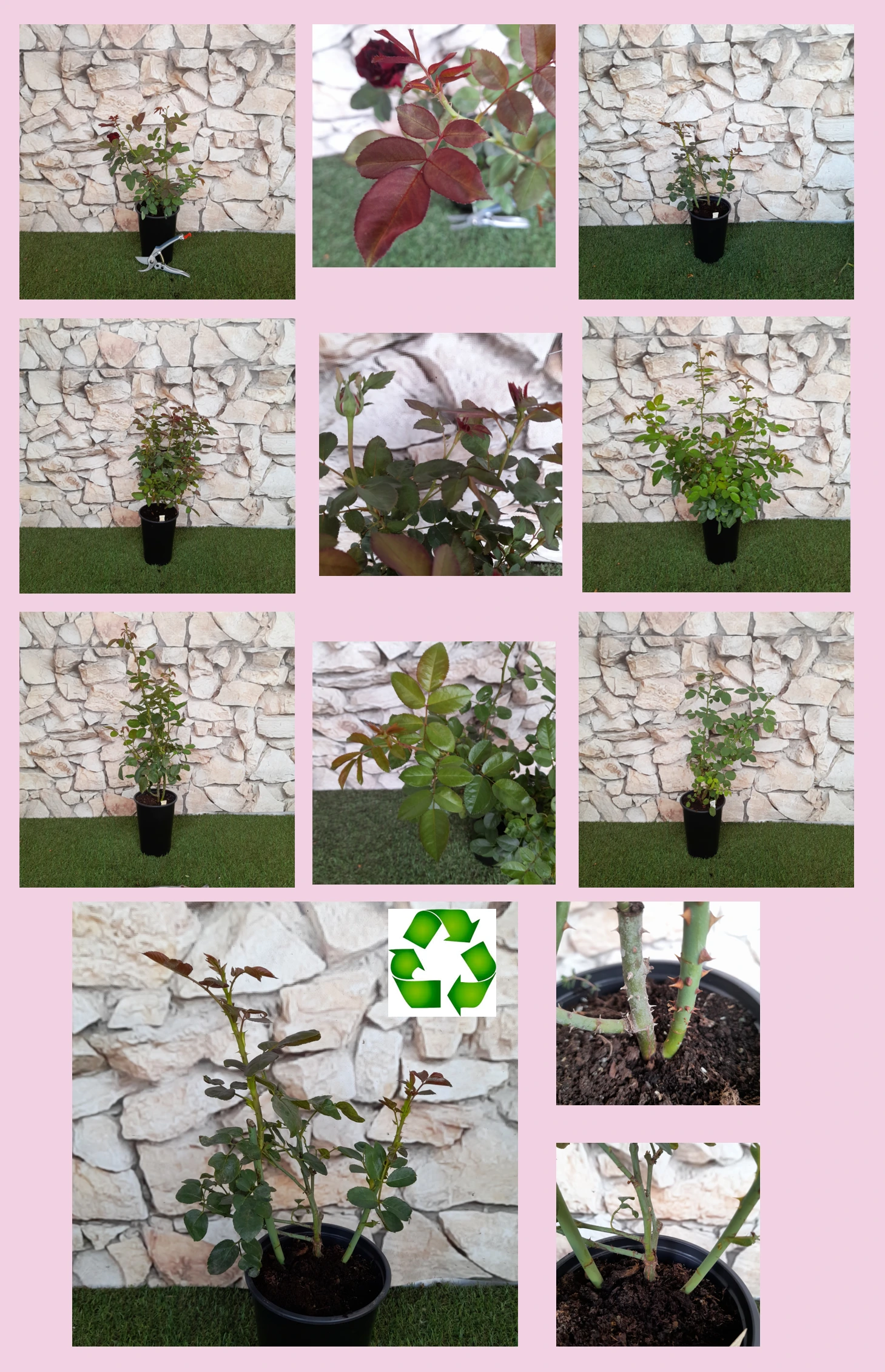
KEW RAMBLER – pink climbing rambler rose
Transform a simple arch or pergola into a curtain of summer blossom with KEW RAMBLER, an easy-going climbing rose that thrives even where gardens face frequent showers and breezes. Once established on its support, this vigorous rambler clothes itself in grey‑green foliage and clouds of pastel pink, single flowers, loved by pollinators and children alike for their storybook charm. After flowering, it keeps giving: abundant orange hips decorate the canes through autumn and feed garden wildlife, extending its value beyond the brief June flush. Grown on its own roots, it settles in reliably with a simple development arc over the first seasons and promises durable structure and romance for years of relaxed gardening.
Usage options
| Target area | Reasoning |
|---|
| Family pergola beside a terrace |
KEW RAMBLER races up and over a pergola, creating a dense summer canopy of soft pink clusters that turn everyday tea or family meals into a sheltered, romantic nook. Low maintenance once trained, it particularly suits the time-poor homeowner. |
| Training into a mature tree |
With its long, flexible canes and rambling habit, this rose is ideal for weaving through an established tree, producing a floating halo of blossom followed by bright hips high in the canopy. It suits adventurous but non-expert gardeners. |
| Wildlife-friendly boundary or fence |
Used along a fence, it forms a semi-informal screen packed with summer flowers for pollinators and autumn hips for birds, adding life and movement to a functional boundary. Its low intervention needs make it perfect for nature‑minded families. |
| Cottage-style rose and lavender walk |
Planted along a path and guided onto simple arches, KEW RAMBLER frames the route with pastel blooms, while underplanting with lavender or catmint reinforces the classic cottage look. This layout appeals to lovers of traditional countryside. |
| Small town garden focal feature |
Even in modest urban plots, one plant can be the main vertical accent on a strong obelisk or wall trellis, giving a lot of romance for little ground space and few routine tasks. It suits busy urban residents. |
| Parkland or larger rural garden |
On estate-style or village plots, KEW RAMBLER can be given freer rein over large arbours or along long fences, where its once-a-year spectacle and ornamental hips earn its keep with minimal fuss. It fits owners of expansive gardens. |
| Family wildlife corner or play area edge |
Used on the edge of a play lawn or wildlife patch, it draws bees and butterflies to its single flowers and later offers colourful hips, adding quiet education as well as beauty; it suits nature‑curious children. |
| Rose arbour in exposed or coastal gardens |
In breezier plots, KEW RAMBLER’s good disease resistance and easy-going character mean less worry about spray regimes, even where summers are humid with passing rain and wind off the sea. It is a reassuring option for coastal gardeners. |
Styling ideas
- Tea-arbour romance – Train KEW RAMBLER over a simple timber arbour with a small bistro set beneath, pairing with catmint at the base for blue froth and bees – ideal for couples seeking a quiet retreat.
- Storybook swing – Let it scramble over a sturdy frame behind a children’s swing, with soft lawn and daisies underneath, so blossom and hips frame playtime – suited to young families.
- Pastel pathwalk – Alternate KEW RAMBLER arches with lavender and oriental poppies along a front path, giving a scented, cottage-style welcome – perfect for lovers of traditional front gardens.
- Woodland edge – Thread canes through a light-canopy tree at the garden’s back, underplanting with ferns and shade-tolerant perennials for a naturalistic, semi-wild feel – appealing to informal-planting enthusiasts.
- Wildlife frame – Cover an unsightly fence, adding bird boxes and a small log pile nearby, so flowers, hips and shelter combine into a compact habitat – suited to eco-conscious homeowners.
Technical cultivar profile
| Property | Data |
|---|
| Name and registration |
KEW RAMBLER – pink climbing rambler rose; exhibition rambling rose for pergolas and arches; unregistered variety, marketed within the climbing rose commercial group. |
| Origin and breeding |
Originated at the Royal Botanic Gardens, Kew; bred around 1912 from Rosa soulieana × ‘Hiawatha’; introduced in 1913 and now a classic rambler for traditional gardens. |
| Growth and structural characteristics |
Vigorous rambling growth reaching about 500–750 cm high and 300–500 cm wide; moderately thorny, with grey‑green, moderately dense foliage; best given strong supports or trained into trees. |
| Flower morphology |
Single, flat flowers with 5–12 petals, small size but carried in large, showy clusters; not remontant, giving one impressive main flush per season on long, pliable canes. |
| Colour data and phenology |
Pastel flesh‑pink buds open to light pink, fading towards creamy white; colour softens as blooms age, leaving delicate pink rims before petals drop cleanly and reveal decorative hips. |
| Fragrance and aroma |
Medium-strength scent with a delicate, muscat-like character; noticeable on warm, still days around pergolas or seating areas, adding a gentle perfume without overwhelming nearby spaces. |
| Hip characteristics |
Produces masses of small, spherical orange hips around 7–10 mm across; highly ornamental through autumn and valued by birds as a seasonal food source in wildlife-friendly gardens. |
| Resistance and winter hardiness |
Rated RHS H7, tolerating approximately −23 to −21 °C; generally resistant to powdery mildew, black spot and rust, needing little chemical input in typical UK garden conditions. |
| Horticultural recommendations |
Ideal for pergolas, arches, fences, tree training and wildlife corners; low maintenance, partial shade tolerant; plant at wider spacings to allow arching growth and long, cascading flowering stems. |
KEW RAMBLER offers exuberant pergola coverage, pollinator-friendly single blooms and decorative hips on a durable own-root framework; consider it if you want lasting cottage-garden character with very modest upkeep.