DREAM LOVER – pink dwarf-mini rose – Pearce
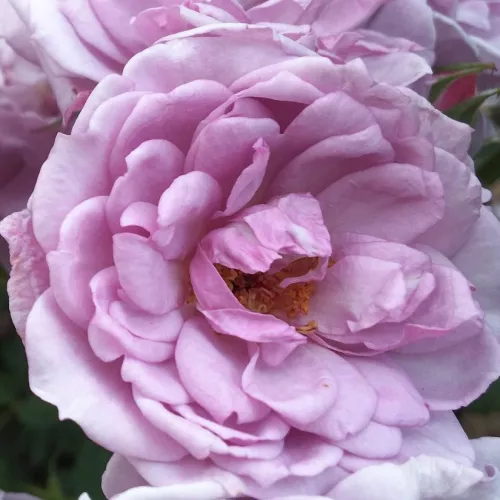
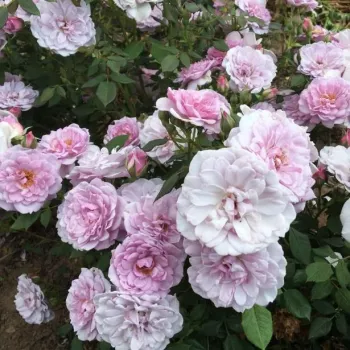
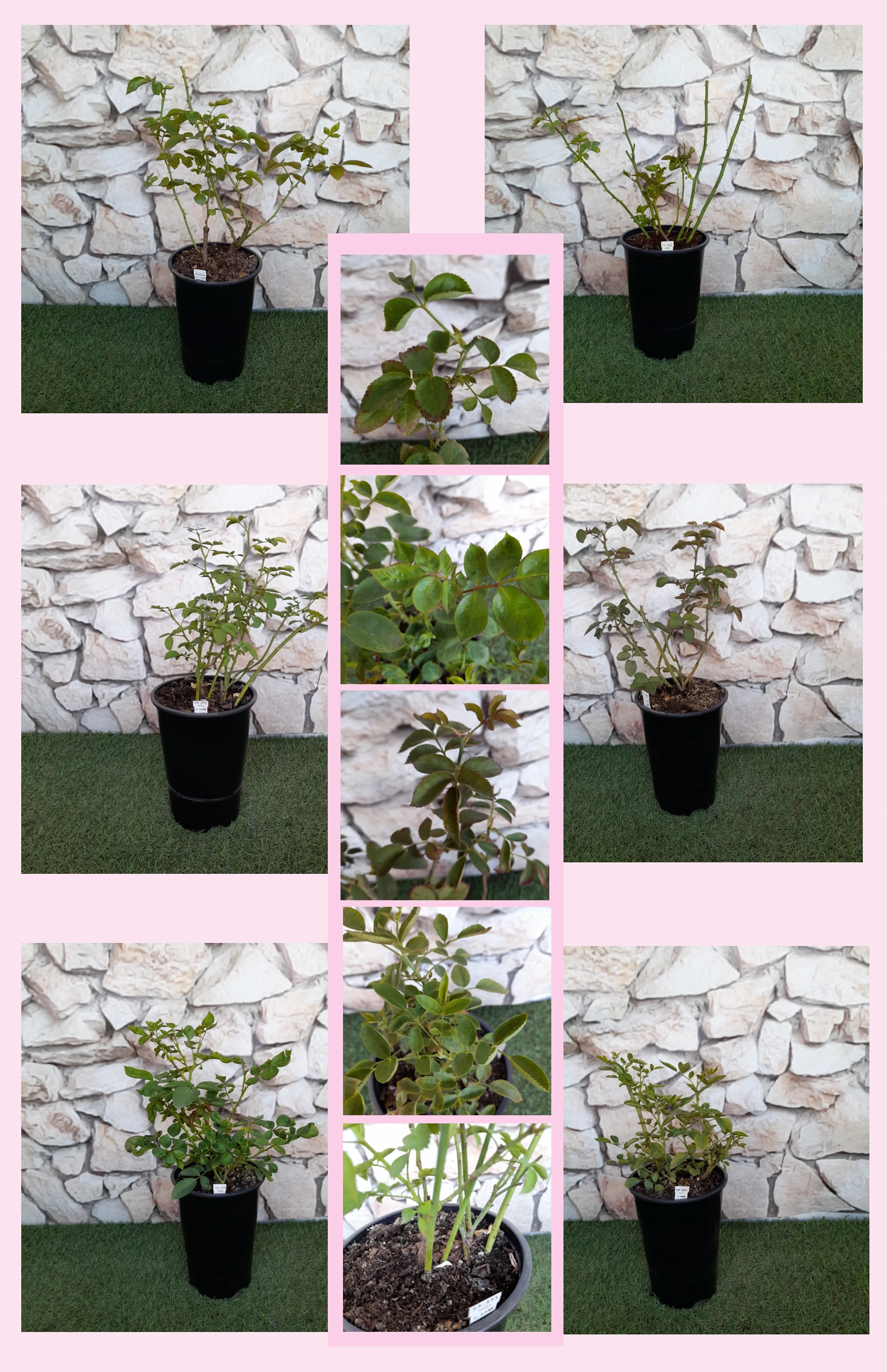
Created for romantic, small-scale borders, Dream Lover forms a neat, compact bush that slips easily into family gardens where space is precious yet atmosphere matters. Its cool, mid-pink blooms with a lilac sheen open repeatedly all summer in charming rosettes, bringing a gentle, clearly noticeable damask fragrance to terraces, paths and cottage-style beds. The plant’s naturally compact habit and moderate height make it straightforward to place, even in exposed spots with wind-touched, changeable weather where a sturdy, well-rooting own-root rose anchors reliably over time. As an own-root plant, it matures steadily with a quietly reliable performance, building longevity and the ability to regenerate from the base. This makes routine care pleasantly manageable, with simple pruning options and unfussy feeding, suiting those who want romantic colour and scent without fuss. In its second and third seasons it settles into a stable garden feature with consistent flowering, delicate pastel colour shifts and a naturally well-balanced structure that partners beautifully with traditional cottage perennials.
Usage options
| Target area |
Reasoning |
| Front of mixed cottage border |
The compact, bushy structure keeps Dream Lover at a tidy 50–70 cm, ideal for the front of traditional borders where you want height without blocking the view. Its proportional structure helps define paths and beds while remaining easy to prune lightly for shape, suiting those who enjoy relaxed but orderly planting, especially beginners. |
| Patio container (40–50 litre minimum) |
In a generous 40–50 litre container, Dream Lover’s compact root system and modest spread allow it to flourish with simple watering and feeding. Own-root growth provides long-term stability and the ability to regenerate if cut back hard, making it well suited to paved patios or small terraces where easy-care, long-lived planting is essential for busy. |
| Low, romantic edging along paths |
Regular, remontant flowering produces clusters of small rosettes that edge paths with a continuous ribbon of pink, giving strong visual impact from a small plant. This dependable flowering habit reduces gaps in the display and needs only light deadheading, appealing to those who want reliable colour through the season, typically homeowners. |
| Cottage-style pastel planting scheme |
The cool mid-pink with a subtle lavender tone blends effortlessly with whites, soft blues and airy perennials, creating an instantly “storybook” cottage look. As the blooms fade to paler, silvery pastels, they remain harmonious rather than clashing, making colour-matching simple for those designing relaxed, romantic schemes, especially cottage-lovers. |
| Near seating areas for afternoon tea |
Medium-strength damask fragrance is clearly noticeable at close quarters without becoming overpowering, perfect beside a bench, arbour or terrace table. Frequent flowering ensures scent appears in repeated waves through summer, offering gentle sensory interest with little maintenance, ideal for those who value atmosphere and relaxation, often tea-drinkers. |
| Family garden beds in breezy, changeable weather |
The compact, bushy habit and moderate height reduce wind rock, helping it cope with breezier British gardens where weather can switch between showers and gusts. Once established, the own-root system anchors it securely and supports long-term regrowth from the base, reassuring those in exposed, mixed-weather locations, particularly coastal. |
| Simple, low-input rose planting for beginners |
Moderate disease resistance with good tolerance to black spot means routine care focuses on basic watering, feeding and the occasional check for problems, rather than constant spraying. Own-root plants recover more readily after pruning errors, making this variety forgiving of inexperience and limited time, very suitable for new or returning gardeners. |
| Subtle wildlife and seasonal interest |
Semi-double flowers provide limited but present pollen access, followed by small, bright red hips in modest quantities, adding a discreet seasonal highlight in late summer and autumn. This creates gentle biodiversity value and visual detail without untidiness, fitting family gardens where neatness and softness both matter to many families. |
Styling ideas
- Cottage-Path Edging – line both sides of a front path with evenly spaced Dream Lover for a low, fragrant pink border that stays proportional and tidy – ideal for traditional front gardens and lovers of classic kerb appeal.
- Pastel-Tea Corner – place Dream Lover in a large pot by a bistro set, underplanted with creeping baby’s‑breath for a frothy, pastel base – suited to small patios where you enjoy afternoon tea and gentle scent.
- Kitchen-Garden Border – weave Dream Lover along the ornamental edge of a kitchen garden, pairing with lavender and herbs to echo its cool pink tones – perfect for those who like vegetables framed by romantic flowers.
- Soft-Hedge Rhythm – create a low, informal hedge by spacing plants at 35 cm and interspersing with compact perennials to repeat colour and structure – good for families wanting gentle boundaries without solid fencing.
- Terrace-Companion Trio – group three containers: Dream Lover, cypress spurge ‘Fens Ruby’ and St John’s wort ‘Hidcote’ for contrasting foliage and pastel blooms – ideal for busy urban owners seeking impact from minimal planting space.
Technical cultivar profile
| Parameter |
Data |
| Name and registration |
Miniature rose, commercial type dwarf mini; registered as PEAyetti, traded as Dream Lover, exhibition name Dream Lover, part of the Mini – dwarf rose collection. |
| Origin and breeding |
Bred by Colin A. Pearce in the United Kingdom, breeding year 1996; introduced and registered in 1998, with parentage and initial distribution details not recorded in current sources. |
| Awards and recognition |
Silver Medal at the Nagaoka International Fragrant Rose Trials in 2010, acknowledging the cultivar’s notable fragrance performance and ornamental value among miniature and patio-type roses. |
| Growth and structural characteristics |
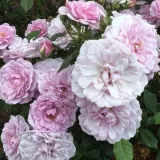
Compact, bushy mini-flora habit, typically 50–70 cm high and 40–50 cm wide, with moderately dense, dark green matt foliage and moderate prickliness; forms a well-proportioned, low shrub for borders and containers. |
| Flower morphology |
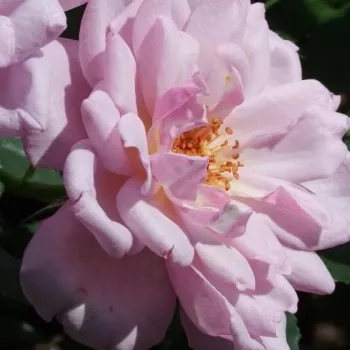
Semi-double rosette blooms with 13–25 petals, produced in small clusters on short stems; small-flowered (approximately 0.5–1.5 inches), with strong remontant behaviour and abundant second flush under normal garden care. |
| Colour data and phenology |
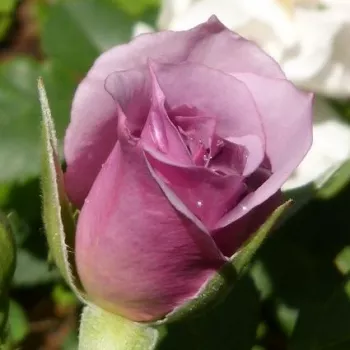
Mid-pink with subtle lavender hue, ARS mp, RHS 65C outer and 73C inner; colour lightens in strong sun, edges may turn whitish, giving pastel and silvery tones as blooms age across the season. |
| Fragrance and aroma |
Medium-strength, clearly noticeable damask fragrance with a clean character; best appreciated at close range in seating areas or on terraces, contributing a traditional scented-rose effect from a compact plant. |
| Hip characteristics |
Produces few hips; small, bright red, spherical fruits about 5–7 mm in diameter, adding light seasonal interest without heavy seeding or significant ornamental weight in the overall garden picture. |
| Resistance and winter hardiness |
Hardy to approximately −21 to −18 °C (RHS H7, Swedish Zon 3, USDA 6b); moderate overall disease resistance with good black spot resistance, moderate powdery mildew and rust susceptibility under high pressure. |
| Horticultural recommendations |
Suited to containers, terraces, edging and small beds; prefers full sun and average moisture. Plant at 45 cm for massed effects or 35 cm for low hedging; maintain medium care with occasional pest and disease monitoring. |
DREAM LOVER offers compact structure, dependable flowering and gentle fragrance in a long-lived own-root form that settles comfortably into family gardens and containers, making it a thoughtful choice if you favour romantic ease over horticultural effort.