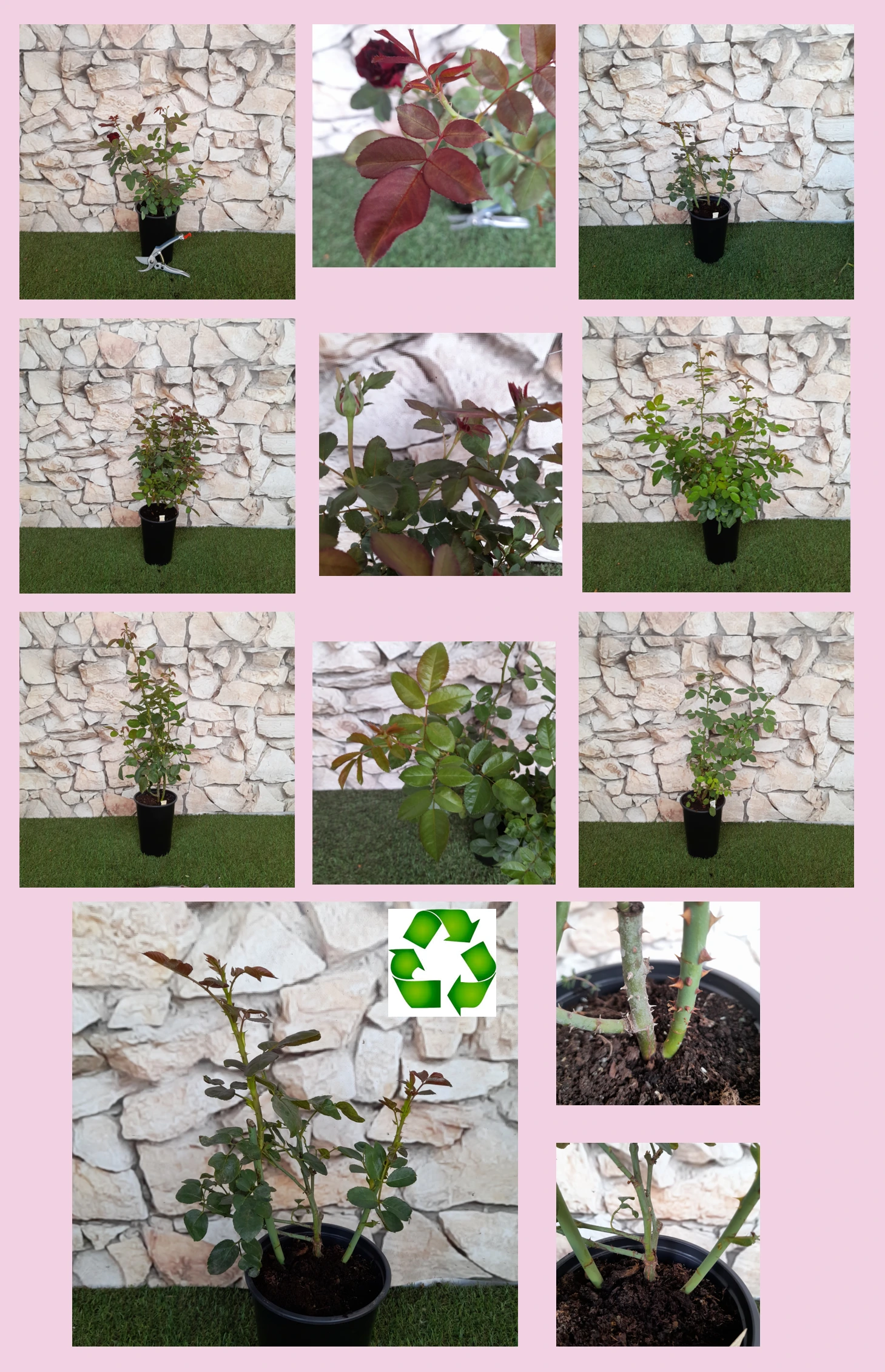
DISCUS AMORINA – orange-red landscape shrub rose - De Ruiter
With its bright orange-red, single blooms, DISCUS AMORINA creates an instant sense of romance in an ordinary family garden, evoking cottage-style borders and relaxed afternoon teas. This modern shrub rose stays compact and bushy, making it easy to place in small beds or along a low hedge line without overwhelming the space. Its flowers open wide to reveal golden stamens, offering simple, naturalistic charm and a welcome stop for visiting bees. Bred for resilience, it copes well with typical British coastal breezes and damp spells, making it a dependable choice where weather can be changeable and humid. Over the seasons, the orange-red petals soften to coral pink, and neat red hips follow, extending the plant’s ornamental value well into autumn. The own-root form supports a long-lived, stable shrub that regrows reliably from its own wood, while the plant’s low-maintenance character suits busy gardeners who want colour without complicated routines.
Usage options
| Target area | Reasoning |
|---|
| Front-of-border cottage bed |
Its compact, bushy growth keeps to 40–60 cm, so it sits neatly at the front of a mixed cottage border without shading herbs, lavender or low perennials, ideal for relaxed planting layouts in small family gardens seeking easy structure for beginners. |
| Informal low hedge along a path |
Regular flowering and dense foliage allow you to plant at 30–35 cm intervals for a gently weaving hedge, giving soft structure and year-round presence with minimal clipping, perfect for homeowners wanting a romantic entrance without precise topiary for family-buyers. |
| Colour accent in a kitchen garden |
The simple, single blooms and moderate hip set fit beautifully beside herbs, lettuces and cottage-style vegetables, adding a storybook feel while still looking naturalistic and unfussy, well suited to rural kitchen gardeners who like ornamental produce borders for cottage-lovers. |
| Urban front garden bed |
Good heat and stress tolerance, plus reliable disease resistance, make this rose an excellent choice for small city plots facing reflected heat and moderate air pollution, ideal for busy urban gardeners who want resilience more than intensive care for urban-owners. |
| Coastal or exposed suburban sites |
The sturdy, low stature and good overall health help it stand up to brisk winds and unsettled weather, supporting dependable flowering even where conditions feel blustery and salt-tinged, reassuring for households gardening in breezy, open locations for coastal-families. |
| Mixed pollinator-friendly planting |
Single, open flowers with accessible stamens offer easy forage when in bloom, combining well with salvias, asters and other late-summer flowers to support insects without sacrificing colour, appealing to nature-aware gardeners who also love traditional roses for wildlife-fans. |
| Family play garden with relaxed maintenance |
Low pruning and feeding needs, plus own-root durability, mean it will quietly thicken into a long-lived, reliable shrub, reducing the risk of loss after the odd missed watering or late trim, ideal for families balancing gardening with everyday commitments for busy-parents. |
| Large container on terrace or patio |
In a well-drained container of at least 40–50 litres, its compact habit and steady repeat flowering give a long season of colour near seating areas, particularly attractive for tea-time or evening use, suiting those who garden mainly in pots and terraces for patio-gardeners. |
Styling ideas
- Cottage-Ribbon – Plant a loose row along a path with catmint and lady’s mantle to echo traditional cottage borders – ideal for homeowners wanting soft structure and nostalgic charm.
- Kitchen-Companion – Tuck plants beside sage, chives and low vegetables for a colourful kitchen-garden edge – suited to cooks who like their produce beds to feel ornamental as well as practical.
- Patio-Orchard – Use one or two in 40–60 litre terracotta tubs near dwarf fruit trees to create a storybook tea corner – perfect for small-space gardeners making the most of a sunny terrace.
- Hedgerow-Glow – Combine as a low hedge with pastel perennials and grasses for a glowing orange-red ribbon through the border – attractive to those seeking gentle, family-friendly boundaries.
- Urban-Drift – Mass-plant in a narrow front bed with hardy groundcovers for a modern yet romantic drift of colour – recommended for city dwellers wanting impact from a simple, low-care scheme.
Technical cultivar profile
| Parameter | Data |
|---|
| Name and registration |
DISCUS AMORINA is a modern landscape shrub in the bedding rose collection; marketed as “Discus Amorina Bedding rose De Ruiter” for garden use, with cultivar authenticity verified for premium retail supply. |
| Origin and breeding |
Bred by De Ruiter Innovations BV in the Netherlands, with breeding completed in 2019; introduced via De Ruiter Innovations B.V., reflecting a focus on modern, durable landscape shrub roses for versatile gardens. |
| Awards and recognition |
Received a high-scoring award at The Hague rose trials in 2024, highlighting its ornamental performance and garden qualities under independent assessment, and supporting its use in both private and public plantings. |
| Growth and structural characteristics |
Forms a compact, bushy shrub 40–60 cm high and wide, with dense, mid-green glossy foliage and moderate prickliness; ideal for low hedges, bedding schemes and small family gardens needing neat, reliable structure. |
| Flower morphology |
Bears small, single, flat flowers in clusters, usually 5–12 petals, remontant with an especially abundant second flush; the open form shows stamens clearly, adding a light, natural appearance in mixed borders. |
| Colour data and phenology |
Flowers open deep orange-red, becoming bright orange-red, then soft coral pink as they age; ARS colour orange-red, RHS 33B outer and 42A inner, giving a lively yet harmonious palette through the bloom cycle. |
| Fragrance and aroma |
Fragrance is very weak and barely noticeable, making it suitable where strong scent is not desired; emphasis is on colour effect, flower form and garden performance rather than aromatic intensity. |
| Hip characteristics |
Produces moderate numbers of small, 6–10 mm spherical hips, bright red and evenly sized, extending ornamental interest into late season and offering a gentle wildlife resource without heavy self-seeding. |
| Resistance and winter hardiness |
Rated H7 and hardy to approximately –26 to –23 °C, with good general disease resistance including powdery mildew resistance and good tolerance of black spot and rust, plus good heat and moderate drought tolerance. |
| Horticultural recommendations |
Best for beds and park-style plantings at 30–55 cm spacing, giving 8.2–9.4 plants per m² in blocks; low maintenance with minimal pruning and fertilising, and well suited to mass or low-hedge uses. |
DISCUS AMORINA offers compact bushy growth, season-long orange-red colour and dependable health on a durable own-root shrub, making it a thoughtful choice for relaxed, romantic family gardens.