DICK KOSTER™ – pink flowerbed polyantha rose
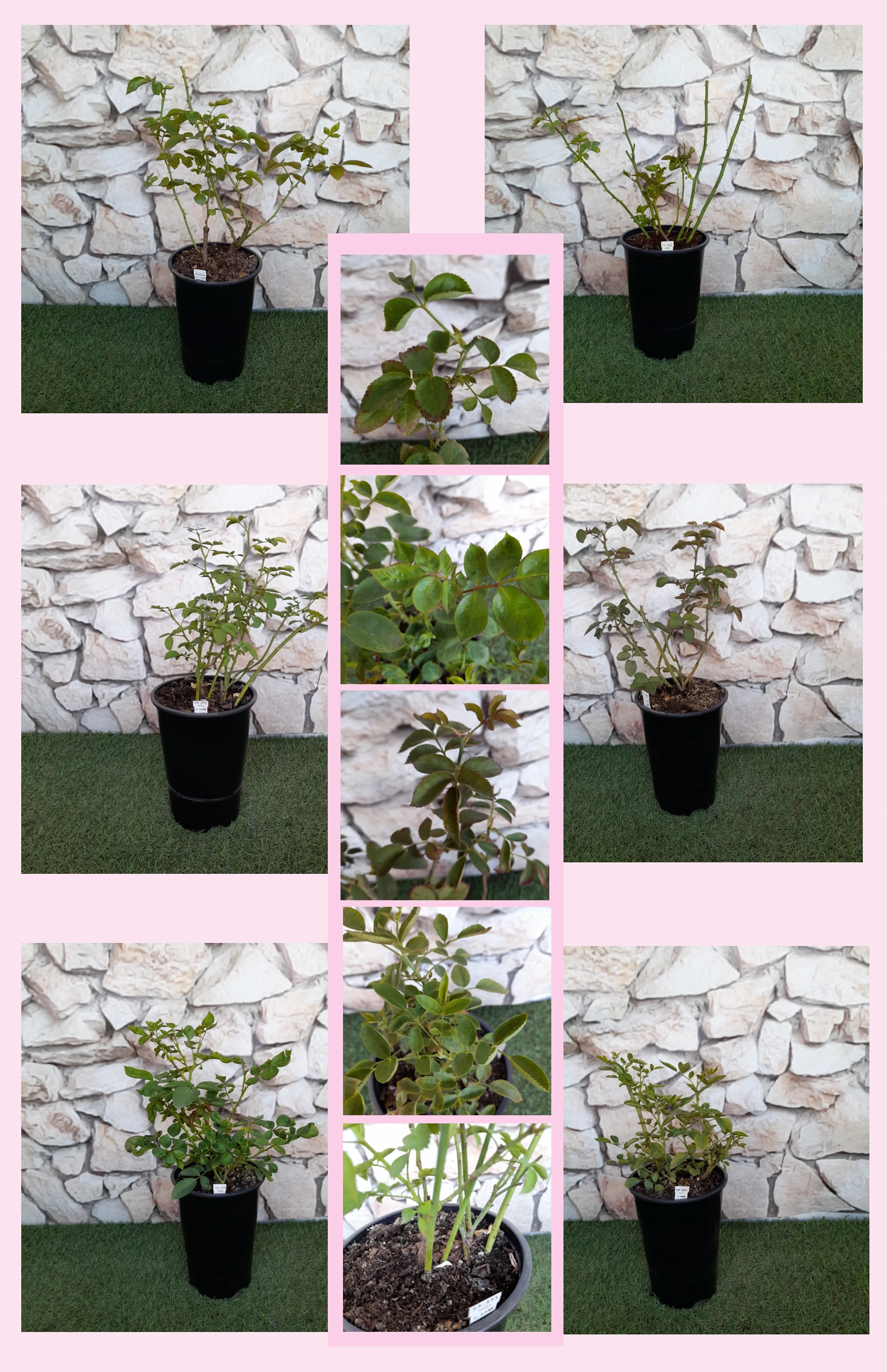
With its compact, low-growing habit and abundant clusters of small, vivid pink blooms, DICK KOSTER™ creates an instantly romantic feel in front gardens and cottage-style borders. This classic 1920s polyantha is naturally compact, forming a rounded, glossy mound that is perfect along paths, around patios or edging a kitchen garden bed. The semi-double pompon flowers appear in generous flushes from early summer well into autumn, lightly self-cleaning to keep the plant orderly with only occasional deadheading. Grown on its own roots, it offers reassuring longevity and the ability to regenerate strongly if cut back after a harsh winter, giving a stable look in family gardens year after year. It is particularly well suited to small, urban plots where shelter helps it cope gracefully with humid summers and frequent showers, while in heavier soils you may prefer a raised bed for reliable drainage. In its first season it concentrates on roots, the second on bushy shoots, then by the third year you enjoy its full ornamental charm as a neat, flower-packed cushion.
Usage options
| Target area | Reasoning |
|---|
| Front of a mixed cottage border |
The small height and rounded outline keep the front of the bed neat while still providing generous colour, so taller perennials and shrubs can rise behind it without looking bare at ground level; ideal for those wanting a soft, storybook cottage edge, especially beginners. |
| Narrow town garden or side return |
The compact spread fits easily into slim beds along fences or paths, giving months of pink clusters without overwhelming limited space, and its own-root resilience means it copes well with the slightly tougher conditions typical of small urban plots; this suits time-pressed homeowners. |
| Low flowering hedge beside a lawn |
Planted at the recommended distances, it knits into a low, flowery barrier that marks out play areas or paths without creating a hard visual line, and occasional trimming is enough to maintain shape thanks to the dense, bushy framework; attractive for family-focused gardeners. |
| Raised beds on heavier or clay soils |
Its shallow, fibrous root system is well matched to raised beds or improved topsoil, where reliable structure and own-root stamina help it establish steadily and flower well despite heavier subsoils, making this a sound choice for those managing difficult ground conditions. |
| Large containers on patios and terraces |
In a roomy 40–50 litre container, the compact framework and continuous flowering create a long-season focal point near seating, and own-root growth gives better long-term recovery if pots dry or freeze, reducing the need for frequent replacement; ideal for busy balcony-owners. |
| Mass bedding in front gardens |
Its reliable, repeating flushes of small pink pompons give a uniform, carpet-like effect when planted in groups, while moderate self-cleaning keeps beds presentable between visits, allowing you to enjoy a traditional look with limited routine work; well suited to practical planners. |
| Family-friendly seating or play areas |
The modest height allows clear sight-lines across the garden and the tight, glossy foliage helps the plant look tidy even when flowering pauses, so spaces around benches or play corners remain welcoming across seasons; this appeals to relaxed family-focused buyers. |
| Pollinator-supporting cottage planting |
The semi-double blooms offer moderate access to pollen over a long season, so when combined with other nectar plants it contributes to a gently wildlife-aware scheme that still prioritises classic colour and form, suiting romantically inclined but practical garden-owners. |
Styling ideas
- Cottage-Path Edging – line both sides of a winding path with repeating groups to form a low pink ribbon leading to a bench or arbour – for romantics who want a classic cottage welcome.
- Kitchen-Garden Border – frame vegetable or herb beds with rows of this compact rose, softening the productive area and linking house and plot – for home cooks who love a traditional potager feel.
- Patio-Tea Corner – plant one rose per 40–50 litre pot around a bistro set, underplanting with trailing thyme or lobelia for a cosy afternoon-tea nook – for small-garden owners seeking a charming retreat.
- Front-Garden Quilt – create a low, pink “quilt” in the front garden with a grid of plants, dotted with clumps of gypsophila for a lacy effect – for neighbours who value tidy, welcoming kerb appeal.
- Soft-Structure Hedge – intersperse a low line of these roses with compact grasses such as Carex to form a gentle boundary between lawn and border – for families wanting subtle separation without hard fencing.
Technical cultivar profile
| Parameter | Data |
|---|
| Name and registration |
Polyantha bedding rose; registered cultivar name ‘Dick Koster’, also traded as DICK KOSTER™ pink flowerbed polyantha; approved American Rose Society exhibition name ‘Dick Koster’. |
| Origin and breeding |
Sport of polyantha ‘Anneke Koster’, bred and introduced by D. A. Koster & Sons, Boskoop, Netherlands, around 1929; unregistered cultivar long proven in European bedding use. |
| Awards and recognition |
Recipient of the Polyantha Spray Award from the Raleigh Rose Society (USA) in 2001, recognising consistent cluster display and reliable garden performance in exhibition conditions. |
| Growth and structural characteristics |
Compact, low bush with dense, glossy, dark green foliage; typical height 35–50 cm with 40–60 cm spread, forming a rounded, tidy cushion; moderately thorny stems, branching readily from the base. |
| Flower morphology |
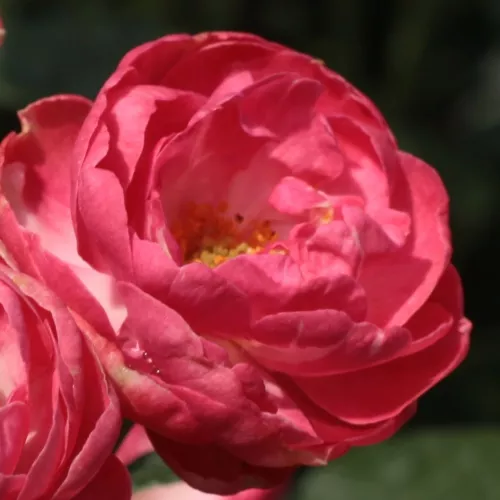
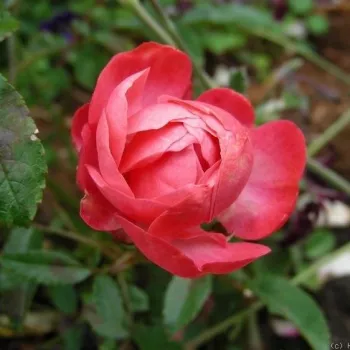
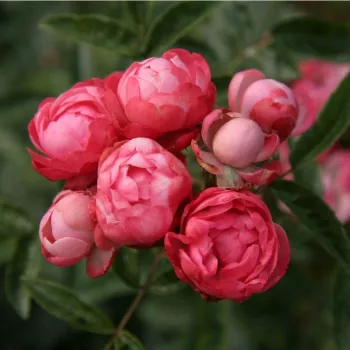
Semi-double, ball-shaped pompon clusters; 13–25 petals per bloom; flower size small at 0.5–1.5 inches; repeat flowering with a notably abundant second flush; borne freely in large sprays. |
| Colour data and phenology |
Vivid deep pink with slight raspberry tinge; RHS 55A outer, 55B inner; buds dark pink, opening with paler centre, maturing to even deep pink, then fading to delicate powder-pink with lighter petal edges. |
| Fragrance and aroma |
Fragrance very weak to almost imperceptible; not selected for scent but for colour and floriferousness; semi-double structure provides moderate pollen access, making it partially attractive to visiting insects. |
| Hip characteristics |
Produces spherical orange-red hips in moderate quantities; typically 5–7 mm diameter, adding fine-textured autumn interest without overwhelming the compact bush or compromising its neat outline. |
| Resistance and winter hardiness |
Rated H7, hardy to approximately −26 to −23 °C; Swedish zone 4 and USDA 5b; medium resistance to black spot, powdery mildew and rust; tolerates summer heat but needs watering in prolonged dry spells. |
| Horticultural recommendations |
Best in full sun and well-drained soil; spacing 30–55 cm depending on hedge, mass or specimen use; suitable for beds, edging, parks, urban plantings and large containers when given 40–50 litres of compost. |
DICK KOSTER™ offers compact, long-season pink clusters, neat structure and reassuring own-root durability for years of low-fuss charm in your family garden, making it a thoughtful choice when planning your next planting.