DIAMANT® – orange bedding floribunda rose – KOReb
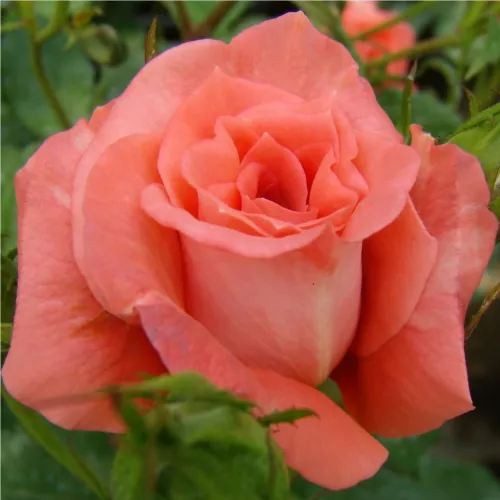
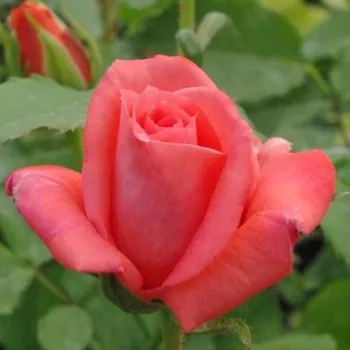
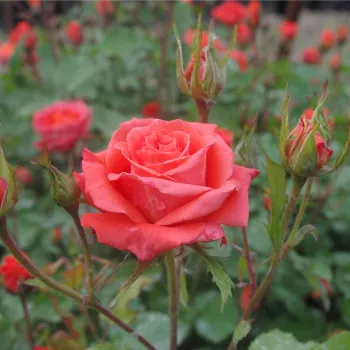
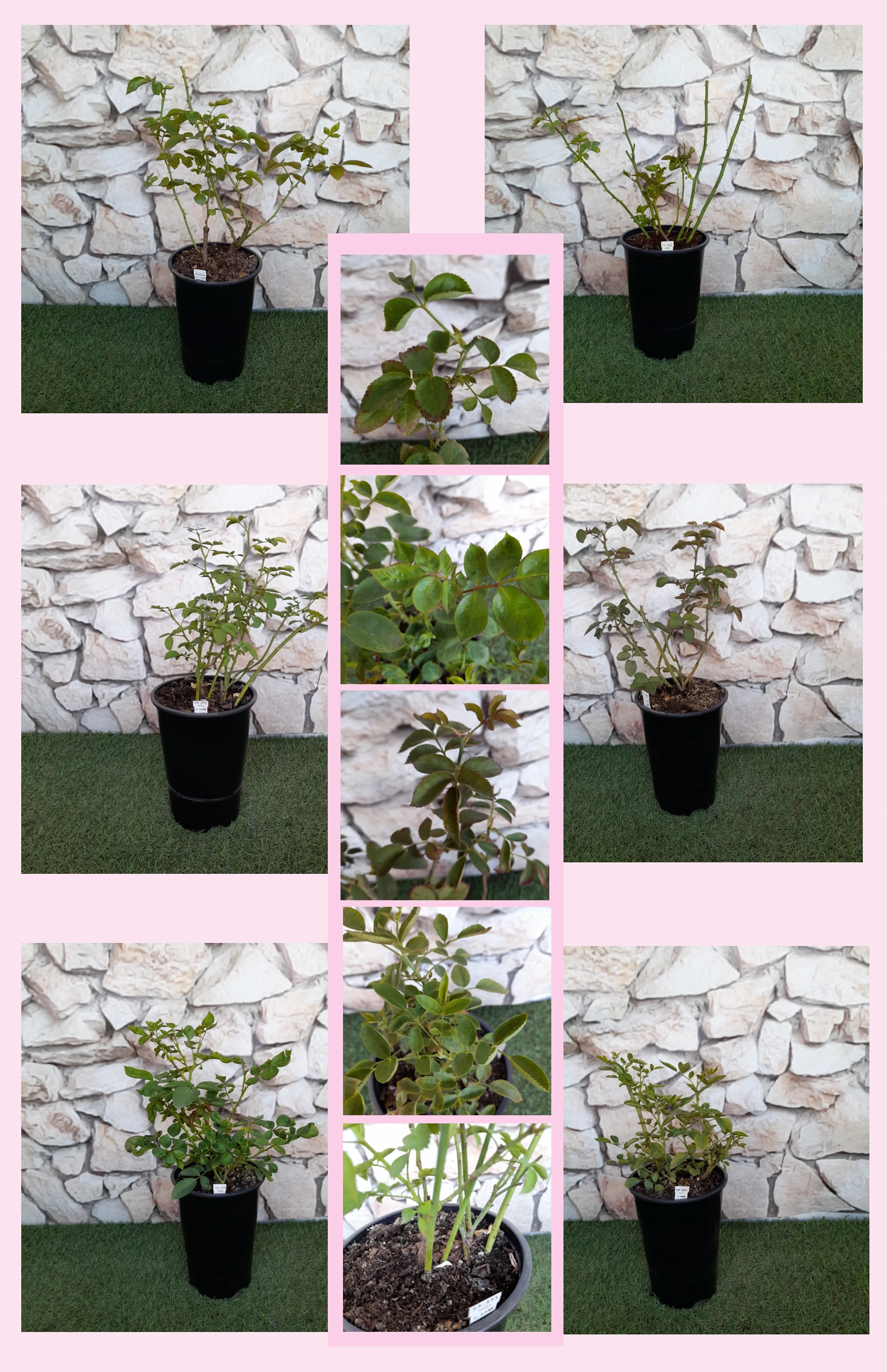
Created in 1962 by Kordes, this compact floribunda brings a quietly romantic, storybook feel to everyday gardens, with clusters of warm orange blooms lighting up family borders through the season. Its upright, medium-sized habit fits neatly into smaller plots, while own-root production supports impressive longevity and reliable regrowth after harsher winters or accidental damage. The very double flowers open from deep vermilion-orange buds to softer peach tones, giving enduring colour interest for low-effort summer display. Excellent disease resistance means fewer sprays and simpler routines, even in damp British summers. In exposed settings it establishes a steady framework that copes well with breezy, rain-prone conditions near the coast, helping your planting stay orderly rather than wind-battered. Once planted, this robust floribunda settles in with modest feeding and a light annual prune, making it a dependable, easy-care choice for busy households. Over several seasons its resilient, own-root structure supports sustained health, maturing into a stable, medium-height presence that anchors cottage-style planting and offers long-term value for the family garden.
Usage options
| Target area | Reasoning |
|---|
| Front or middle of cottage-style mixed border |
This upright, medium-height floribunda forms a consistent framework, so it slots naturally into the front or mid-layer of a cottage border without overwhelming smaller perennials. Over its first three years it shifts from root-building, to stronger shoots, to full ornamental presence, giving a steady, predictable structure that anchors the planting for beginners. |
| Low-maintenance family flower bed by patio or lawn |
Good resistance to black spot, mildew and rust keeps foliage cleaner with fewer treatments, which simplifies care where children play and time is limited. A single spring prune and occasional deadheading are normally enough to enjoy a long season of bloom, making it ideal for those wanting colour but minimal chores for the busy. |
| Small suburban front garden for kerb appeal |
The compact, upright shape and moderate spread stay within bounds on narrower plots, keeping paths clear and planting looking intentional rather than overgrown. The bright orange tones read well from the pavement, building a welcoming first impression without demanding constant reshaping, which suits appearance-conscious homeowners. |
| Informal low hedge or edging row |
Planted at the recommended closer spacing, the plants knit into a loose, flowering line that defines driveways, vegetable plots or play spaces. Own-root vigour supports uniform growth along the row over years, and if any plant is cut back hard it typically reshoots from the base, reassuring more cautious gardeners. |
| Raised bed on heavier clay or chalky soil |
In a raised bed with improved drainage, this variety’s sturdy framework and reliable health translate into a durable feature that is less affected by the waterlogging and compaction typical of heavy British soils. Over time it becomes a stable, long-lived element, rewarding soil preparation for practical-minded planners. |
| Large container near seating area (40–50 litre minimum) |
In a generous pot, the medium stature and upright habit create a concentrated dome of warm colour close to where people sit, ideal beside a bench or small terrace. A 40–50 litre container allows sufficient root space for long-term performance, making this a realistic, enduring option for balcony or patio-focused urbanites. |
| Cutting patch for casual indoor arrangements |
Clustered, very double blooms on reasonably firm stems make this rose suitable for short-stemmed jug or vase arrangements that echo cottage interiors. The mild, sweet fragrance is gentle indoors rather than overpowering, so you can cut regularly through the season without noticeably reducing garden display, which appeals to home-flower-loving families. |
| Exposed beds in breezier, rainier gardens |
Where wind and frequent showers can flatten taller, looser roses, this medium-height, upright floribunda holds its form and keeps flowering, giving coastal and open-site gardens a reliable block of colour. Its robust health remains an asset in damp, disease-favouring air, reducing the need for constant monitoring for concerned newcomers. |
Styling ideas
- Cottage-curve border – Arc a row of DIAMANT® along a curved lawn edge, weaving between soft pink campanulas and lady’s mantle for a gentle, romantic cottage feel – for lovers of traditional mixed borders.
- Kitchen-garden frame – Use it as a flowering boundary around raised vegetable beds, pairing with chives and thyme to blur the line between ornamental and productive spaces – for those who enjoy a homely potager look.
- Front-garden welcome – Combine DIAMANT® with low lavender and glaucous sedge to frame a path to the front door, giving year-round structure and an inviting, tidy entrance – for house-proud homeowners.
- Patio reading nook – Position one or two large containers by a bench, underplanted with trailing aubrieta, so warm orange clusters sit at eye level during afternoon tea – for balcony and terrace relaxation seekers.
- Soft hedge rhythm – Plant a loose hedge of DIAMANT® backed by evergreen cherry laurel, letting the roses provide seasonal colour while the laurel gives winter privacy – for families wanting structure without formality.
Technical cultivar profile
| Characteristic | Data |
|---|
| Name and registration |
Floribunda bed rose registered as KOReb, traded as DIAMANT® bedding rose KOReb; exhibition floribunda and cut-flower type with orange blooms known under the name Diamant. |
| Origin and breeding |
Bred by Reimer Kordes, W. Kordes’ Söhne, Germany, from ‘Korona’ × ‘Spartan’; introduced and registered in 1962, with Jackson & Perkins Co. as initial distributor in the United States. |
| Growth and structural characteristics |
Medium-height, upright shrub, typically 80–105 cm tall and 60–85 cm wide; moderately dense, mid-green, slightly glossy foliage; moderately thorny stems create a stable, compact framework for bedding use. |
| Flower morphology |
Large, very double, cup-shaped clusters with 40+ petals per bloom; floribunda type with remontant flowering and notably abundant second flush, offering substantial ornamental mass in beds through the main season. |
| Colour data and phenology |
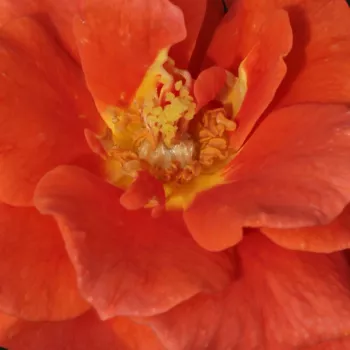
Bright orange base with salmon-red tint; buds deep vermilion-orange, maturing to warm orange, then peach-orange with light cream at petal tips; good colour retention under garden conditions across the bloom cycle. |
| Fragrance and aroma |
Mild, sweet fragrance of restrained intensity; primarily grown for colour and form rather than scent; very double flowers enclose stamens, making it more ornamental than pollinator-orientated in typical plantings. |
| Hip characteristics |
Occasional small red hips, ellipsoidal and typically about 8–12 mm in diameter; decorative interest is modest, and fruiting may be reduced with regular deadheading in ornamental plantings. |
| Resistance and winter hardiness |
Rated resistant to black spot, powdery mildew and rust; hardy approximately to −21 to −18 °C (RHS H7, Swedish zone 3, USDA 6b), giving dependable performance in most temperate UK garden situations. |
| Horticultural recommendations |
Best in sunny positions with reasonable drainage; suitable for beds, informal hedging and cutting. Low maintenance with limited pruning and feeding; recommended spacings 40–75 cm depending on mass, hedge or solitary use. |
DIAMANT® offers enduring orange flower power, reliable health and compact structure in a robust own-root form that settles in for years of service, making it a thoughtful choice for those planning a long-lived family garden.