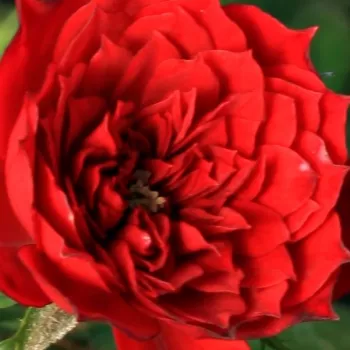
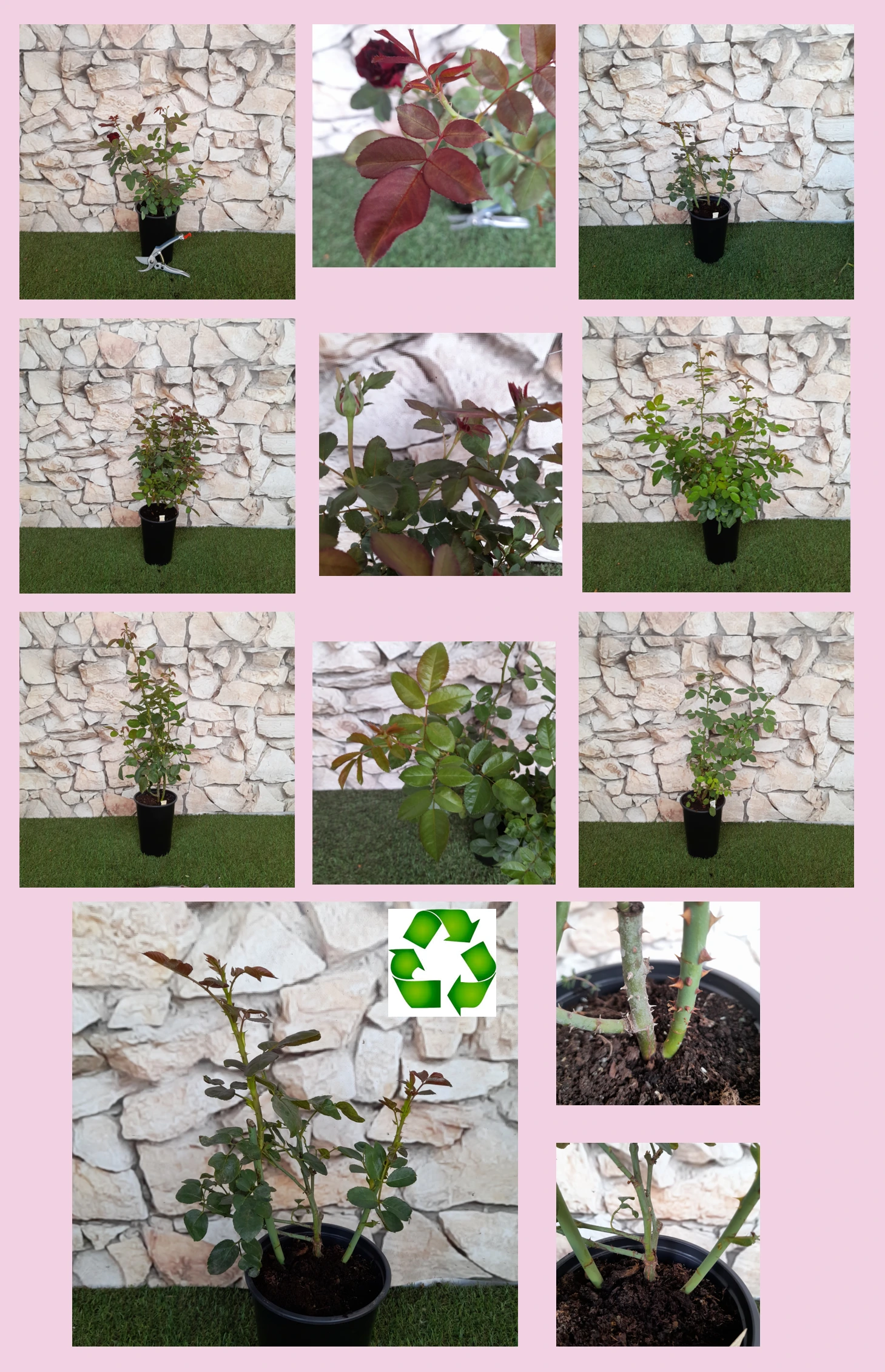
DETROIT™ – red dwarf-mini rose
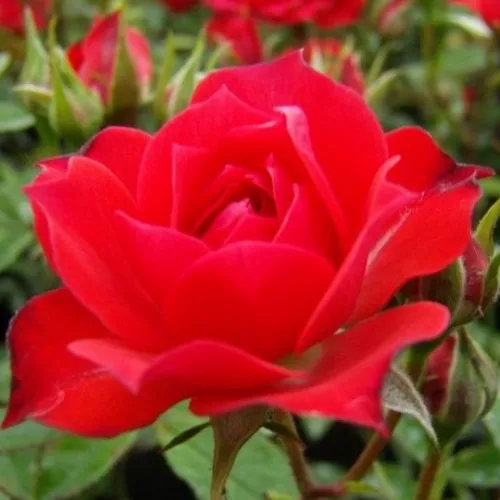
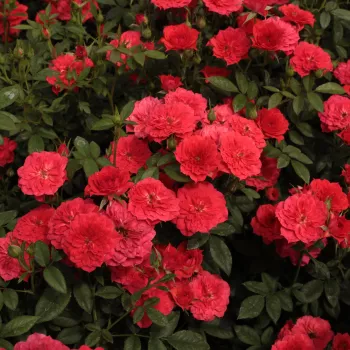
This compact, upright mini rose brings a sense of cosiness and cottage-garden charm to even the smallest family plot, clothing itself in clusters of vivid scarlet, pompon blooms that repeat reliably from early summer onwards. As a own-root, container-grown plant, it settles quickly and builds a steady framework over the first years, so you can enjoy dependable structure with minimal effort. Its medium disease resistance and winter hardiness suit typical UK conditions, including sites where strong winds and rain regularly sweep in from the coast, helping it remain an attractive, long-lived feature. Over time the warm red tones soften to brick–mahogany, blending beautifully with kitchen-garden planting and informal hedging, while the modest height keeps paths and seating areas feeling intimate. Ideal for low front-garden borders, raised beds on heavy soil, or a single statement in a generous patio container, it supports an easy-care routine and offers a reassuring sense of continuity and stability in a busy household garden.
Usage options
| Target area | Reasoning |
|---|
| Front of cottage-style borders |
The modest height and upright habit create a neat, low layer of colour that fits naturally into cottage-style plantings without overwhelming nearby perennials or herbs, keeping borders readable and easy to manage for beginners. |
| Family paths and play-areas edge |
Its dense, dark-green foliage and small clusters of red blooms form a soft visual boundary along paths or lawn edges, adding character while remaining compact enough not to intrude into everyday family movement for homeowners. |
| Medium to large patio containers |
The dwarf stature allows planting in substantial 40–50 litre containers where roots have space to anchor and develop, giving a long-lived, easily accessed rose display that suits paved spaces and small urban gardens for busy owners. |
| Low informal mini-hedges |
Planted at the suggested hedging distance, plants join to form a gently undulating, flowering line that guides the eye through the garden, creating structure and privacy with far less pruning complexity than taller shrub roses for families. |
| Raised beds on heavier soil |
In raised beds, its upright habit and moderate spread sit comfortably among vegetables and herbs, while the root system benefits from improved drainage compared with heavy clay borders, simplifying long-term care for kitchen-gardeners. |
| Coastal or exposed sites |
In gardens regularly swept by strong rain and wind off the sea, its sturdy, compact framework and medium disease resistance help it maintain foliage and flower display with limited intervention, supporting reliable, relaxed gardening for coastal residents. |
| Low-maintenance mixed planting schemes |
Medium maintenance needs and strong repeat-flowering mean occasional care is rewarded with regular flushes of red blooms, allowing it to sit comfortably in mixed schemes where simple seasonal checks replace detailed, time-consuming regimes for hobbyists. |
| Long-term structural planting |
As an own-root plant, damaged stems can regenerate from the base, maintaining the true variety over time and helping the shrub mature into a stable framework that keeps its ornamental character over many seasons for planners. |
Styling ideas
- Kitchen-border ribbon – Run a loose row of DETROIT™ along a vegetable or herb bed, where its compact red clusters echo old-fashioned potagers – ideal for cottage-style cooks who like flowers with their produce.
- Storybook front-garden – Combine with lavender, catmint and low box or yew outlines to frame a path and front door – suited to homeowners seeking a welcoming, traditional entrance with minimal pruning demands.
- Patio focal tub – Plant a single shrub in a 50-litre terracotta pot, underplant with trailing lobelia and soft thyme – perfect for urban balcony or patio gardens needing reliable colour in a small footprint.
- Mini-hedge divider – Use as a low flowering divider between play lawn and kitchen garden, alternating with ornamental grasses like Panicum for texture – for families wanting gentle separation without solid fencing.
- Warm-toned tapestry – Pair the scarlet-to-mahogany flowers with gaillardias and bronze grasses to create an autumn-hued border that still feels light and airy – for gardeners favouring harmonious, eco-aware planting palettes.
Technical cultivar profile
| Parameter | Data |
|---|
| Name and registration |
DETROIT™ – red dwarf-mini rose from the Mini – dwarf rose collection; a miniature Hybrid Setigera type marketed as a compact, upright garden rose for decorative use. |
| Origin and breeding |
Parentage and breeder data are unavailable; bred around 2000 and introduced later, selected primarily for compact habit and reliable repeat flowering in smaller garden settings. |
| Growth and structural characteristics |
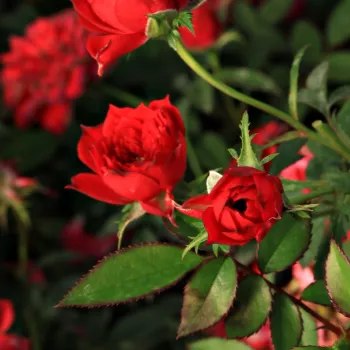
Upright, moderately dense shrub reaching 100–120 cm in height and 70–90 cm spread, with dark green, slightly glossy foliage and medium prickliness, forming a tidy, bushy outline. |
| Flower morphology |
Small, double, spherical pompon blooms, 0.5–1.5 inches across, borne in clusters; 26–39 petals per flower with strong repeat flowering and particularly abundant second flush later in the season. |
| Colour data and phenology |
Scarlet red on opening with warm orange hints; full bloom shows intense, fiery red, then softens to brick–mahogany with pinkish-brown edges, providing varied tonal interest as each cluster matures. |
| Fragrance and aroma |
No noticeable scent; grown chiefly for its vivid and persistent flower colour and tidy shape rather than perfume, making it suitable where fragrance is not a key design requirement. |
| Hip characteristics |
Occasionally forms small, bright red, spherical hips around 11–13 mm in diameter, adding discreet seasonal interest without significantly affecting the plant’s overall flowering performance. |
| Resistance and winter hardiness |
Medium overall disease resistance; good resistance to powdery mildew and black spot, moderate rust susceptibility; hardy approximately to –21 to –18 °C (RHS H7, roughly USDA Zone 6b, Swedish Zone 3). |
| Horticultural recommendations |
Plant at 50–55 cm for hedges or mass; 90 cm as a specimen; about 3.2–3.7 plants/m² in groups; medium maintenance with occasional protection and standard pruning to renew flowering wood. |
DETROIT™ – red dwarf-mini rose offers compact structure, vivid repeat-flowering and dependable hardiness in an own-root form that matures steadily into a long-lived feature, making it a thoughtful choice for relaxed, traditional gardens.