DELSET – pale pink hybrid tea rose – Delbard-Chabert
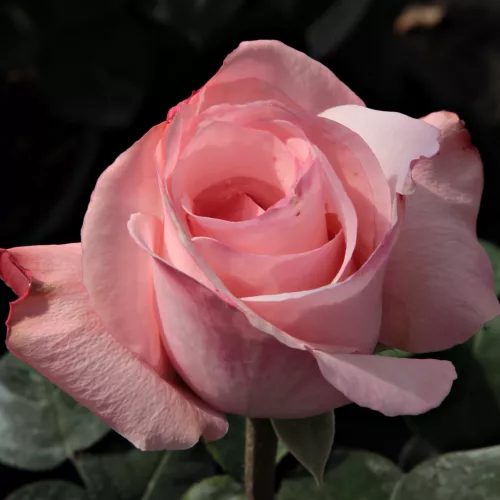
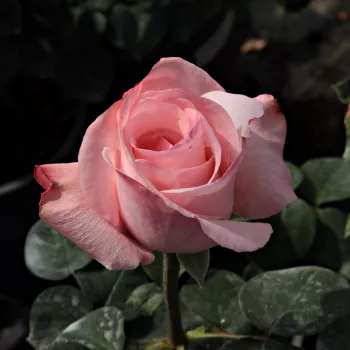
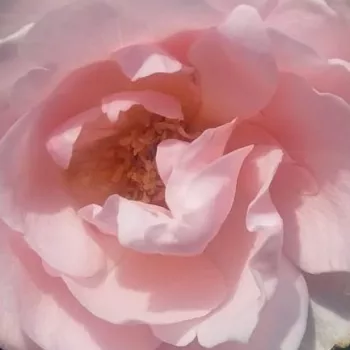
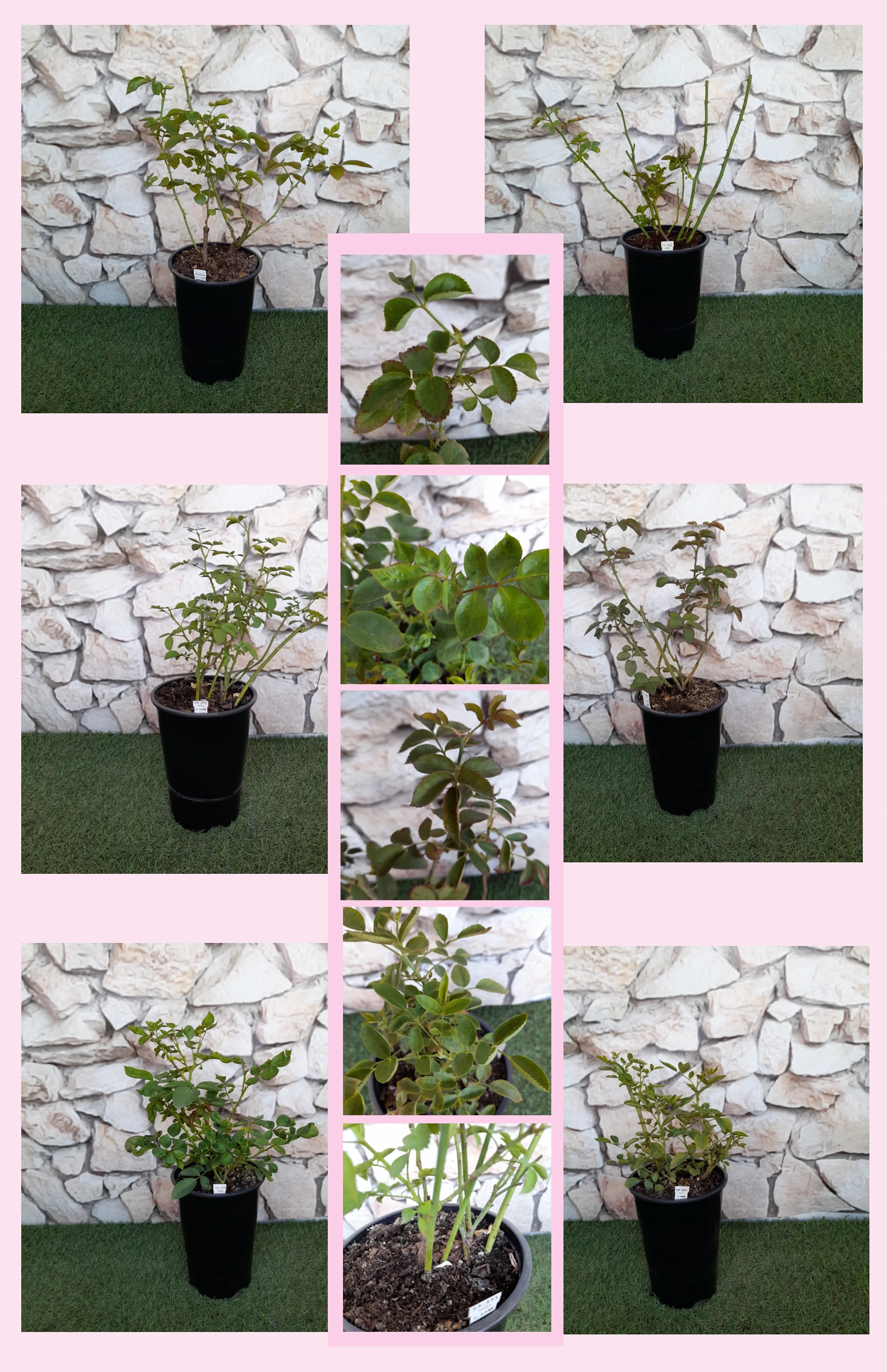
Bring a touch of Versailles elegance to a small family garden with this pale pink hybrid tea whose upright habit and dense foliage create a quietly romantic backdrop that copes well with brisk weather and coastal breezes. Large, classic buds open to double, goblet-shaped flowers in a soft, candy-coloured pink, perfect for cutting for the table or enjoying at eye level beside a seat for afternoon tea. Grown on its own roots, the shrub knits in securely over time, building a long-lived framework that can regenerate from the base and needs only straightforward, winter-spring pruning. In a UK setting it fits naturally amongst cottage perennials and herbs, thriving in average garden soil as long as you avoid waterlogging by improving drainage or using a modest raised bed, so that you can look forward to a calm rhythm of repeat flowering with minimum fuss. From planting an already established plant in a 2‑litre pot to watching it settle and mature, you gain dependable structure, season-long colour and a light, sweet fragrance that together create a quietly romantic corner with very little effort.
Usage options
| Target area | Reasoning |
|---|
| Cottage-style mixed border by a terrace |
The upright, bushy habit and pale, pastel pink blooms give a traditional cottage feel without overwhelming a small border, making it easy to combine with lavender or herbs by a seating area for afternoon tea; ideal for the busy homeowner. |
| Feature rose in a narrow front garden bed |
Its compact 75–105 cm height and 50–70 cm spread suit slim beds along paths or drives, where the formal hybrid tea flower shape echoes classic show roses yet remains simple to manage with once-yearly pruning; reassuring for the beginner gardener. |
| Cutting row in a kitchen or allotment garden |
Long, straight stems with solitary, goblet-shaped flowers provide reliable blooms for vases through the season, so one or two plants along a vegetable patch or fruit cage give a ready supply of elegant, pale pink cut flowers; perfect for the home flower arranger. |
| Romantic pair flanking an arbour or bench |
Planted as a pair, the dense dark green foliage and pastel flowers frame an arbour or bench with a Versailles-inspired look, while own-root vigour supports a long-lived, stable outline around family seating areas; suited to the romantic traditionalist. |
| Small rose hedge along a garden path |
At 50 cm spacing the plants form a low, structured hedge whose medium disease resistance and straightforward care fit busy lifestyles, offering a gentle, storybook edge to gravel or lawn paths in average UK conditions; helpful for the time-poor gardener. |
| Large container on patio or balcony (40–50 L+) |
In a 40–50 litre or larger container the tidy, upright shape and repeat-flowering habit give months of colour close to the house, while own-root resilience helps the shrub recover well from routine repotting and light pruning; reassuring for the urban balcony owner. |
| Family garden focal point in heavy garden soil |
Set slightly raised above heavy clay with improved drainage, this rose anchors well and builds a durable framework on its own roots, offering a dependable pale pink focal point that copes with wet, windy spells typical of many UK plots; appealing for the practical family buyer. |
| Long-term planting in a traditional rose border |
The medium maintenance needs, repeat flushes and capacity to regenerate from the base on its own roots support a long planting life, so you can enjoy a mature, settled shrub whose ornamental value remains stable year after year; ideal for the patient rose lover. |
Styling ideas
- Versailles-path – Line a short gravel path with a low hedge of this rose and interplant catmint or hardy geraniums for a soft, formal-meets-cottage look – suited to lovers of classical gardens.
- Tea-corner – Place one plant by a bistro table, underplanted with lavender and thyme, to enjoy fragrant, pale pink blooms at arm’s reach – ideal for those who savour quiet afternoon tea moments.
- Kitchen-row – Add a short row along the edge of a kitchen garden with herbs like sage and chives, so cut flowers and ingredients live side by side – for home cooks who enjoy seasonal bouquets.
- Pastel-border – Combine with soft blues and whites such as Knautia ‘Red Knight’, white foxgloves and airy grasses for a storybook cottage border – perfect for romantic, country-style enthusiasts.
- Patio-centrepiece – Grow one shrub in a 50-litre terracotta pot with trailing lobelia or alyssum to soften the rim, creating a welcoming focal point by the back door – ideal for small, paved gardens.
Technical cultivar profile
| Parameter | Data |
|---|
| Name and registration |
Hybrid tea rose, registered as DELset, marketed as Delset Hybrid tea rose DELset, with ARS exhibition name ‘Versailles’; belongs to the hybrid tea commercial group. |
| Origin and breeding |
Bred in France by André Delbard-Chabert, Pépinières et Roseraies Georges Delbard; complex hybrid parentage, introduced and registered in 1967 following breeding work completed in 1966. |
| Awards and recognition |
Highly decorated mid-1960s hybrid tea, including Geneva New Rose Competition Gold Medal, Bagatelle Cut Rose Gold, Lyon Vermeil, Saverne Silver and a certificate for outstanding fragrance. |
| Growth and structural characteristics |
Upright, bushy shrub 75–105 cm high and 50–70 cm wide, with dense, glossy dark green foliage and moderate prickles, forming a compact yet substantial presence in average-sized gardens. |
| Flower morphology |
Large, double, goblet-shaped blooms with 26–39 petals, mainly solitary on stems; a classic exhibition-style hybrid tea form with dependable repeat flowering and a notably abundant second flush. |
| Colour data and phenology |
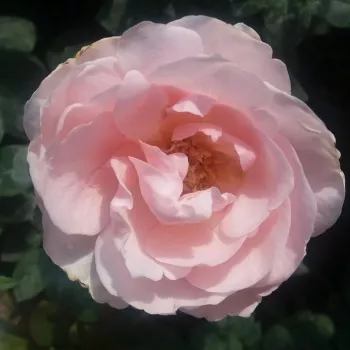
Pale candy-pink flowers, RHS 55C outer and 54D inner, opening from powder pink buds, then lightening to pastel pink with a pearly white edge and a soft, silky sheen as the blooms mature. |
| Fragrance and aroma |
Light, understated fragrance with a slightly sweet character; scented enough to notice on still days or when used as a cut flower indoors, without overwhelming nearby seating or dining areas. |
| Hip characteristics |
Occasional small hips form after flowering, 8–12 mm, ovoid and orange-red, adding a discreet late-season accent if spent blooms are not removed, while not being a primary ornamental feature. |
| Resistance and winter hardiness |
Hardy to approximately −21 to −18 °C (RHS H7, USDA 6b), with good resistance to powdery mildew and black spot and medium rust susceptibility, requiring only moderate, targeted care in damp years. |
| Horticultural recommendations |
Suited to mass planting, hedging or specimen use at 50–90 cm spacing; medium maintenance with average disease resistance, needing balanced feeding, pruning and occasional plant protection as required. |
DELSET offers classically shaped pale pink blooms, reliable repeat flowering and a compact, easy-care habit on its own roots, making it a thoughtful long-term choice for relaxed, romantic family gardens.