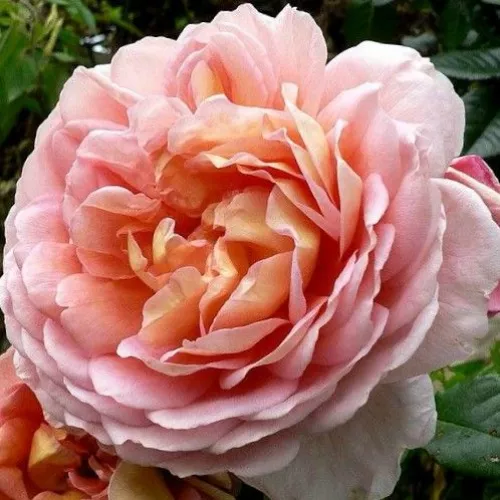
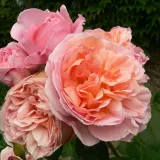
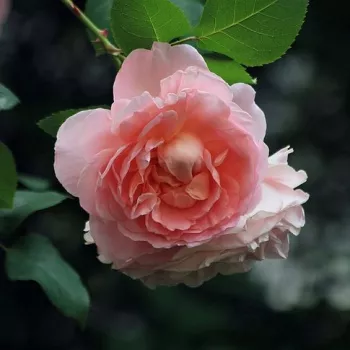
Dames de Chenonceau – apricot-pink shrub rose for romantic beds
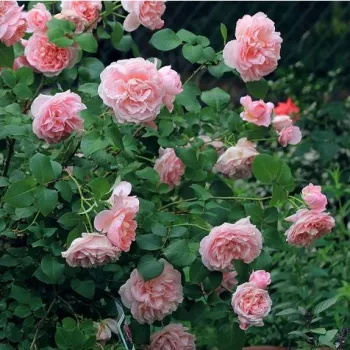
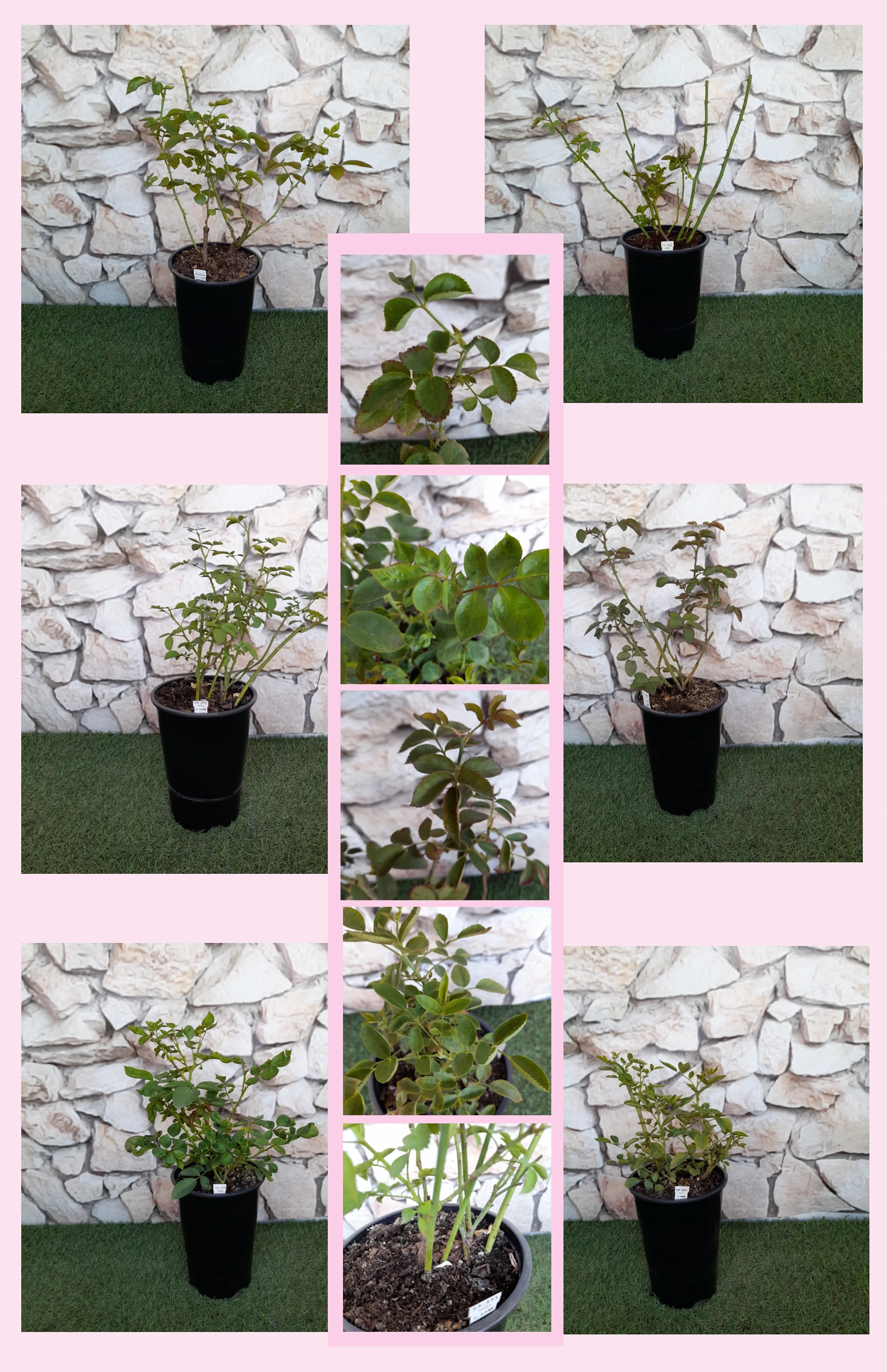
Imagine taking afternoon tea beside a cottage-style border where romantic clusters of apricot-pink blooms glow against dark, healthy foliage, their fragrance carrying across the garden on still evenings. Dames de Chenonceau settles quickly into average family plots, coping reliably even where heavy soil needs better drainage or raised beds to handle winter wet. This own-root shrub makes long-term structure in the border, building a permanent framework that regrows well after pruning and supports generous, repeat flowering through the season. Over time the bush forms a compact, upright habit that anchors cottage-style plantings without demanding expert care. In a large container of at least 50 litres it becomes a moveable focal point, easy to enjoy near a seating area. From planting to maturity it offers a calm gardening journey – roots establishing in the first year, stronger shoots and shape in the second, and full ornamental impact with abundant clusters by the third – reassuring for busy gardeners who still want a sense of storybook charm and lasting ease.
Usage options
| Target area | Reasoning |
|---|
| Front-of-border cottage strip |
The compact, upright habit and 80–100 cm height make it ideal for the front or mid-front of mixed borders, giving a neat but informal line of colour without swamping nearby perennials, perfect for beginners. |
| Romantic flowerbed or mass planting |
Clustered floribunda flowering and remontant performance create a soft carpet of apricot-pink, especially effective when planted at the recommended density for a storybook, village-garden look valued by traditionalists. |
| Small family garden focal shrub |
In modest gardens this rose’s bushy structure reads as a single, tidy shrub that looks after itself between simple yearly prunings, giving dependable shape and bloom for busy-owners. |
| Large pot on terrace or paved seating area |
In a 50–60 litre container with good compost it provides months of scented bloom at nose level, and the manageable size keeps it stable and easy to care for on patios used by urban-families. |
| Mixed cottage planting with kitchen garden edge |
Its dense branching and dark foliage frame herbs and vegetables attractively, creating that soft, “girly” cottage feel while marking paths and plot edges for country-lovers. |
| Flower-cutting corner for the home |
The large, very double, cupped blooms hold well on the stem and repeat reliably, giving a steady supply of fragrant stems for small jugs and vases appreciated by home-decorators. |
| Gently structured low hedge |
At 35 cm spacings, plants knit into a loose, blooming hedge that outlines lawns or divides spaces; own-root resilience means it responds well to occasional shaping, reassuring for non-experts. |
| Coastal or exposed family plots with heavier soil |
Once established, its sturdy framework and reliable flowering cope well with breezier, rainier spots where improving drainage or using raised beds helps manage prolonged winter wet for practical-gardeners. |
Styling ideas
- Tea-rose border – Combine Dames de Chenonceau with lavender and catmint along a path to create a perfumed front-of-border ribbon – perfect for homeowners who want romance near the back door.
- Cottage drift – Mass-plant three or five shrubs among soft grasses and alliums for a naturalistic, cloud-like flowerbed – ideal for those seeking easy yet atmospheric family-garden structure.
- Kitchen-garden edge – Line the outer edge of raised vegetable beds with this rose and low herbs for a pretty, productive plot – suited to cottage-style kitchen gardeners.
- Paved-terrace pot – Grow one plant in a 50–70 litre terracotta container with trailing thyme to enjoy scent and colour beside outdoor seating – appealing to balcony and patio-focused city dwellers.
- Storybook arch-view – Position a small group opposite an arbour or bench so the blooming shrubs frame the view in soft apricot-pink – for families who value relaxing, photo-ready garden corners.
Technical cultivar profile
| Aspect | Data |
|---|
| Name and registration |
Floribunda shrub rose marketed as Delpabra Bedding rose DELpabra; exhibition name Dames de Chenonceau, registered as DELpabra and classified within bed rose collections. |
| Origin and breeding |
Bred by Georges Delbard, France, introduced 2002 by Pépinières et Roseraies Georges Delbard SA; parentage not recorded, selected for generous bedding performance and garden reliability. |
| Growth and structural characteristics |
Upright, bushy shrub to about 80–100 cm high and 50–70 cm wide, with dense, dark green, slightly glossy foliage and moderate prickles, forming a well-filled, medium-sized garden shrub. |
| Flower morphology |
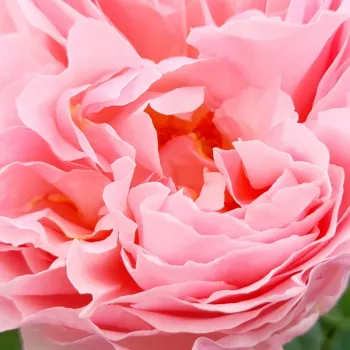
Large, very double, cupped blooms with more than 40 petals, produced in clusters of 3–5 per stem; remontant habit ensures a strong main flush and an equally abundant repeat later in the season. |
| Colour data and phenology |
Apricot-pink flowers with soft salmon and peach-orange tones, RHS 36C–36D; colours fade gently to creamy pink, remaining richer in cool weather and paler under strong sun, with good overall colour retention. |
| Fragrance and aroma |
Strong, far-scented rose perfume that carries well around seating areas; detailed fragrance notes are not specified, but the scent is clearly noticeable during warm, still conditions in summer. |
| Hip characteristics |
Hip set is generally low due to very double flowers; when present, bears small, ovoid red hips about 10–14 mm in diameter, coloured approximately RHS 40A, with limited ornamental effect. |
| Resistance and winter hardiness |
Hardy to about −21 to −18 °C (RHS H7, roughly USDA 6b); resistant to powdery mildew and black spot, with moderate susceptibility to rust, and moderate tolerance of heat and short dry spells. |
| Horticultural recommendations |
Best in full sun with improved drainage on heavy soils; medium maintenance level, mainly deadheading and occasional pest or disease checks, spaced 35–65 cm depending on hedge, border, or specimen use. |
Dames de Chenonceau offers romantic colour, repeat flowering and a compact, easy-care habit on a durable own-root framework, making it a thoughtful choice for relaxed cottage-style family gardens.