DAUPHINE™ – pink bedding floribunda rose – Gaujard
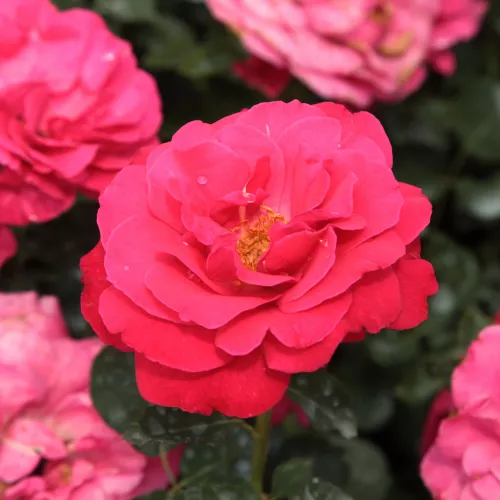
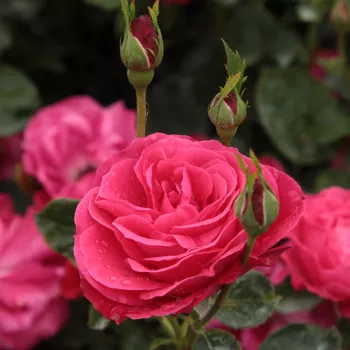
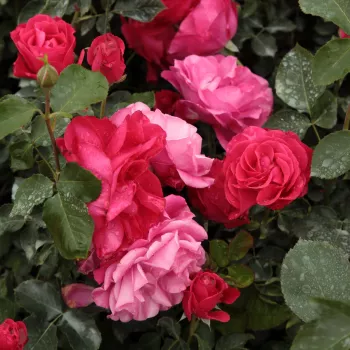
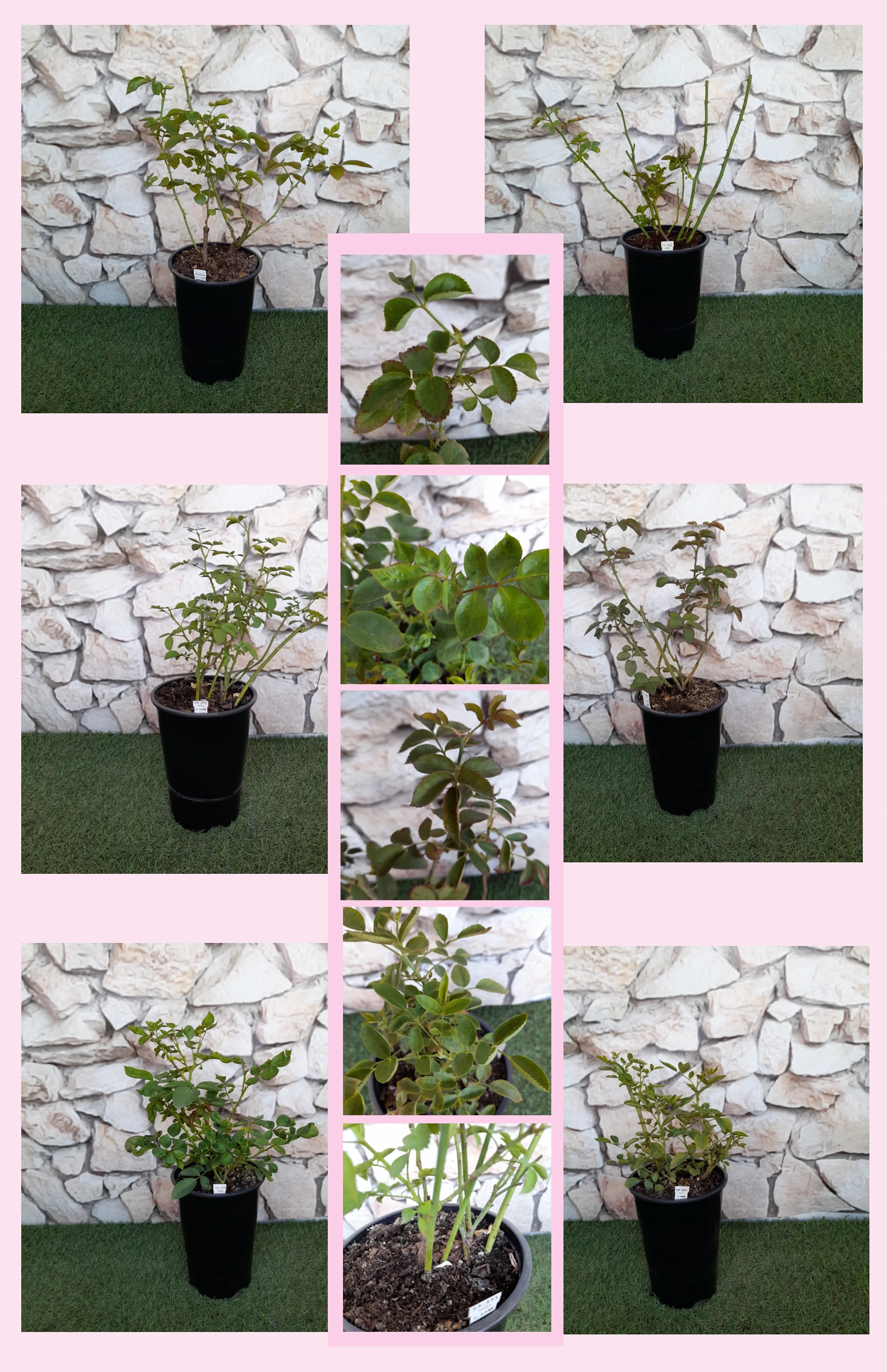
Under a cottage arbour or beside a kitchen-garden path, DAUPHINE™ creates a quietly romantic backdrop of repeat-flowering pink clusters that suit everyday family life and blustery, coastal afternoons alike. This upright floribunda forms a compact, elegant shrub with dense, glossy, dark green foliage that frames the richly double, cupped blooms. Its reliable, remontant flowering habit keeps borders colourful from early summer well into autumn with generous second and later flushes. On its own roots, the plant builds strength steadily and offers reassuring longevity, regenerating well from the base and maintaining its shape for many years with only moderate maintenance. The very double flowers shed little pollen and have a delicate, rosy character, so they suit seating areas where subtlety is preferred. With moderate disease resistance and an upright, structured habit, DAUPHINE™ slips easily into traditional, “girly” English cottage schemes without demanding complicated care, rewarding patient gardeners as it moves from first-season root building to fuller shoots and finally to its complete ornamental presence by the third year.
Usage options
| Target area |
Reasoning |
| Front-of-border cottage bedding strip |
The compact, upright habit and 60–80 cm spread make DAUPHINE™ ideal for a low, colourful ribbon along a path or lawn. Dense, glossy foliage creates a neat, structured base for its cupped, very double flowers, giving a tidy look that still feels romantic for the family gardener. |
| Traditional rose bed with simple maintenance |
As a remontant floribunda with abundant second flowering, it delivers a long season of cyclamen–raspberry pink blooms from a single planting. Moderate disease resistance to black spot and powdery mildew reduces routine spraying, so the main task is occasional deadheading for the busy homeowner. |
| Small family garden focal shrub |
Planted as a specimen at about 80 cm spacing, this variety forms a well-filled, upright shrub that anchors small to medium gardens without growing out of scale. Own-root construction supports steady renewal from the base, offering long-term reliability for the space-conscious buyer. |
| Low boundary or informal flowering hedge |
Set at 40–50 cm intervals, DAUPHINE™ creates a gently undulating line of pink clusters above dark green foliage, perfect along driveways or separating lawn from kitchen garden. Uniform height and density make shaping with light winter pruning straightforward for the beginner gardener. |
| Large containers on terrace or patio |
In a 40–50 litre or larger container with good drainage, the plant’s upright, contained habit and glossy leaves suit paved spaces or urban courtyards. Regular watering and feeding are simple to schedule, while own-root resilience lets you refresh the container over years for the balcony owner. |
| Cut-flower picking corner near seating |
The large, very double, cupped blooms on clustered stems make attractive, classically shaped cut flowers, with a very light, unobtrusive scent that does not dominate indoor spaces. Grow a small group in a sunny spot near a bench for the romantic traditionalist. |
| Mixed cottage border with shrubs and perennials |
Its strong, upright framework and dark, glossy foliage lend structure among softer perennials and low hedging, while the vivid pink harmonises with whites, mauves and silvery greens. This helps create a storybook, “girly” cottage scene without complex design work for the style-conscious amateur. |
| Family garden bed in exposed, rainy positions |
Moderate disease resistance and a sturdy, upright build cope well with showery, breezy conditions, especially when planted in improved soil that avoids prolonged waterlogging in heavy clay. This brings reliable colour to lived-in plots that see regular weather from all sides for the practical homeowner. |
Styling ideas
- Cottage-Romantic Border – Combine DAUPHINE™ with low yarrow and airy lavenders for a soft, pink-and-pastel edging around lawns – ideal for lovers of storybook English gardens.
- Elegant Front Garden – Line the path with repeated DAUPHINE™ plants and clipped Japanese holly for a crisp, structured entrance that still feels welcoming – suited to neat, traditional homeowners.
- Kitchen-Garden Charm – Plant alongside herbs, low box or Ilex crenata to separate vegetable beds with a ribbon of pink floribundas – perfect for those who like productive plots with romance.
- Patio Salon – Grow single specimens in 50-litre terracotta pots with trailing thyme and soft grasses at the base – for urban dwellers wanting a refined, low-fuss tea-corner.
- Soft Screening Hedge – Create a shoulder-high, flowering boundary by alternating DAUPHINE™ with bluebeard shrubs for pink and blue waves – aimed at families seeking gentle privacy.
Technical cultivar profile
| Parameter |
Data |
| Name and registration |
DAUPHINE™ is a floribunda bedding rose traded as Dauphine™ Bedding rose Gaujard; an exhibition floribunda and shrub rose, unregistered as a formal cultivar but recognised under this stable trade name. |
| Origin and breeding |
Bred by Jean‑Marie Gaujard at Roseraies Gaujard, Lyon, from unknown seedling × ‘Opera’ seedling. Introduced by Roseraies Gaujard in France for the 1955/56 season, representing mid‑century French floribunda breeding. |
| Growth and structural characteristics |
Forms an upright shrub 85–115 cm high and 60–80 cm wide with dense, dark green, glossy foliage and moderate prickliness; suited to bedding, hedging and smaller specimens in family gardens and traditional plots. |
| Flower morphology |
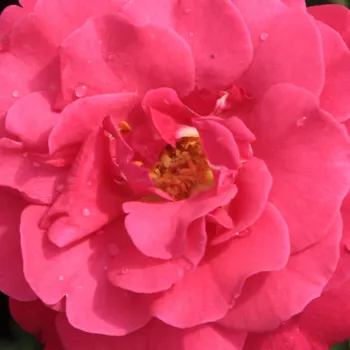
Produces large, cupped, very double flowers with 40+ petals in clustered inflorescences on floribunda-style stems. Repeat flowering is remontant, with a notably abundant second flush extending display into late season. |
| Colour data and phenology |
Displays vivid pink blooms (ARS MR; RHS 53A outer, 36C inner) that open carmine to raspberry, then mellow toward burgundy‑raspberry with rosy, powdery edges while maintaining good overall colour retention in garden conditions. |
| Fragrance and aroma |
Fragrance is very weak, with a delicate rosy character rather than a strong perfume. The heavily double form hides stamens, making it mainly ornamental and only lightly visited by pollinating insects in most seasons. |
| Hip characteristics |
Very double flowers limit hip formation; occasional small, ellipsoidal orange‑red hips of about 10–14 mm may appear, adding modest seasonal interest without significant self‑seeding or wildlife‑forage value. |
| Resistance and winter hardiness |
Hardy to around −21 to −18 °C (RHS H7; Swedish Zone 3; USDA 6b). Shows good resistance to powdery mildew and black spot, with moderate rust sensitivity; tolerates summer heat if watered regularly during prolonged dry spells. |
| Horticultural recommendations |
Prefers a sunny position in well‑drained soil; plant at 50 cm for bedding or 40 cm for hedging, 80 cm as a specimen. Maintenance is moderate: regular watering, feeding and deadheading, plus occasional pest and rust monitoring as needed. |
DAUPHINE™ offers compact, structured growth, generous repeat flowering and dependable longevity on its own roots, making it a thoughtful choice for those planning a romantic yet practical family garden.