DAINTY WHITE – white dwarf-mini rose - Scarman
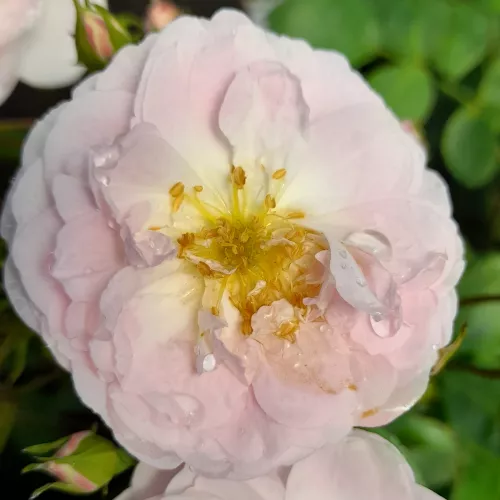
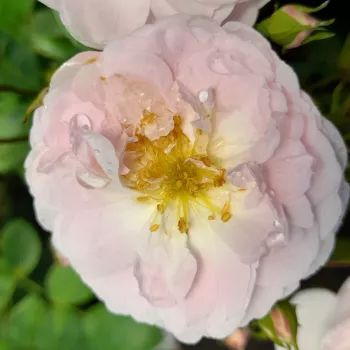
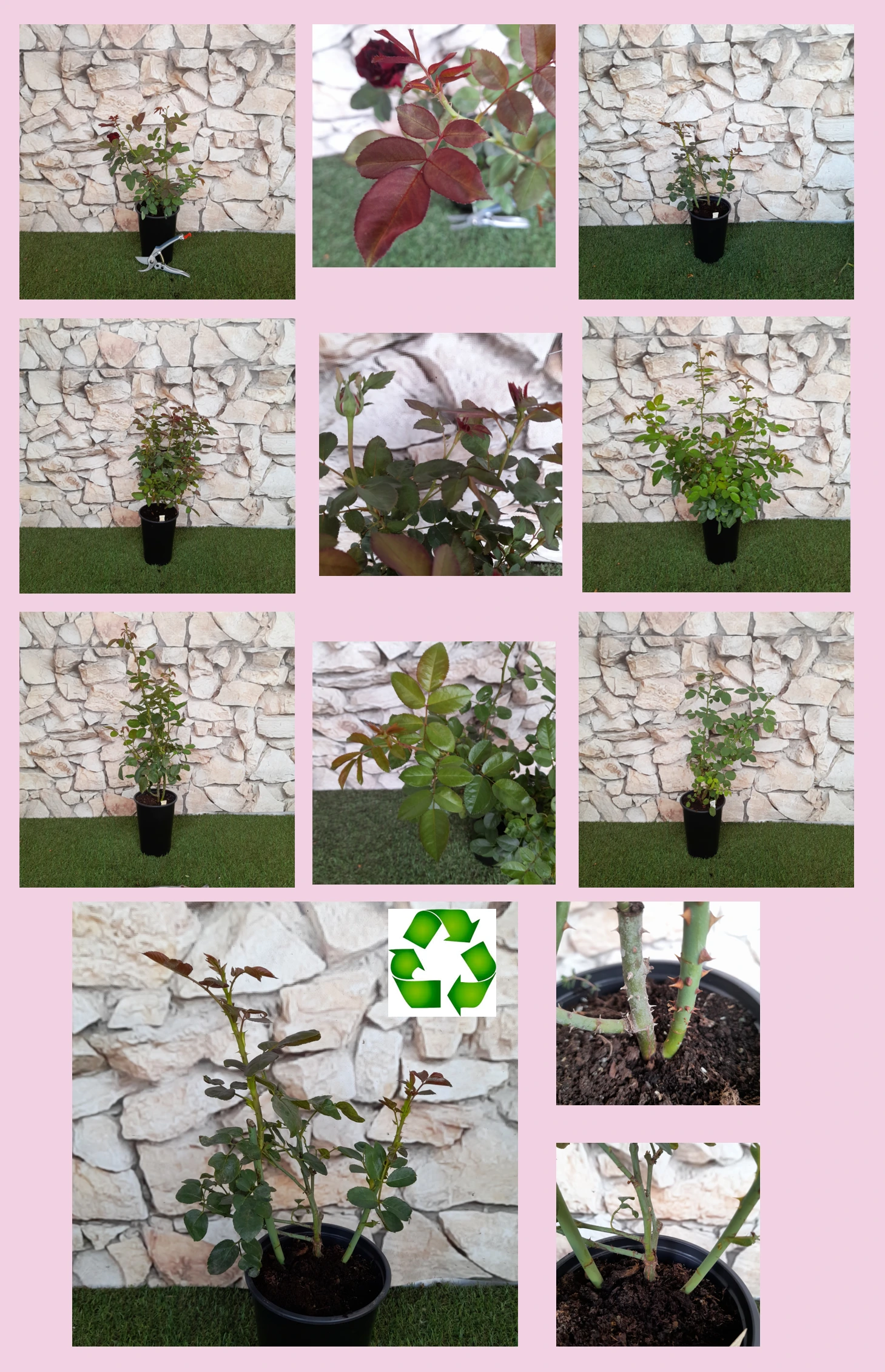
With its compact habit and milky-white blooms, DAINTY WHITE creates a romantic storybook feel in small borders and pots, even where gardens are exposed to brisk coastal breezes and unsettled weather. This dwarf shrub rose flowers reliably in clusters from early summer, with a distinctly sweet, strong fragrance that adds a sense of cosiness to paths, patios and seating areas. Its naturally compact, dense growth keeps maintenance simple: light annual pruning is enough for most situations, making it a reassuring choice for beginners and busy households. As an own-root plant, it is bred for longevity and steady performance in everyday family gardens, offering a practical, long-lived alternative to grafted roses. You can plant throughout the season, then watch it move from establishing roots to building shoots and finally reaching its full cottage-garden character over the first three years.
Usage options
| Target area | Reasoning |
|---|
| Front of cottage-style borders |
Low, compact growth and dense foliage form a neat white edging that will not swamp smaller perennials or herbs. Clusters of semi-double blooms repeat through summer, keeping the border looking finished with minimal deadheading for the busy home gardener. |
| Small family gardens and town plots |
The modest height and spread make it easy to place in limited spaces without blocking light or views. Its reliable repeat flowering gives long-lasting colour and fragrance with only light pruning, ideal where time and gardening experience are both limited for the urban balcony owner. |
| Mixed rose and shrub beds |
Used in small groups, DAINTY WHITE knits together taller roses and shrubs, the milky-white flowers softening stronger colours. Good disease resistance means less spraying and fewer worries about black spot, powdery mildew or rust for the low-maintenance enthusiast. |
| Patio containers and large pots |
The natural dwarf habit is well suited to containers of 40–50 litres or more, where its tidy outline and steady flowering frame outdoor seating. In pots it remains easy to water and feed, creating a fragrant focal point for the patio-loving homeowner. |
| Clipped, low informal hedge |
Planted at closer spacing, it forms a soft, white-flowering line along paths or vegetable plots. Its compact branching responds well to a simple annual trim, staying neat without specialised pruning skills, which suits the traditional kitchen-gardener. |
| Groundcover in problem spots |
Where beds catch strong wind and frequent rain, the sturdy, low framework helps anchor the planting and keep the flowers presentable. Once settled, own-root plants thicken steadily from the base, giving resilient coverage even in exposed sites for the coastal garden owner. |
| Fragrant seating and tea areas |
Planted near benches or a small arbour, the strongly sweet scent and clear white blooms create a calm, afternoon-tea atmosphere. Regular summer colour, even from a small footprint, helps define a romantic corner for the cottage-style romantic. |
| Long-term, low-intervention plantings |
The own-root form means no graft union to fail and good ability to regenerate from the base after hard pruning or winter damage, supporting a long lifespan with simple care, especially valuable for the time-pressed beginner. |
Styling ideas
- Cottage Border Ribbon – run a loose line of DAINTY WHITE along the front of a mixed cottage border with foxgloves and catmint behind – for lovers of soft, storybook garden edges.
- White Kitchen Edge – plant a low edging beside vegetable beds with feverfew and Balkan catchfly to link productive and ornamental areas – for traditional kitchen-garden owners.
- Patio Fragrance Trio – group three roses in a 40–50 litre trough with airy grasses for movement and scent around a seating area – for patio-focused households.
- Mini Rose Drift – mass-plant in a small lawn island or roadside strip, letting the compact shrubs form a white “drift” – for those wanting strong effect from minimal maintenance.
- Romantic Pot Pairing – combine DAINTY WHITE in a large container with a compact clematis like ‘Little Artist’ on a small obelisk – for admirers of layered, romantic planting in tight spaces.
Technical cultivar profile
| Parameter | Data |
|---|
| Name and registration |
DAINTY WHITE – white dwarf-mini rose - Scarman; small shrub, mini-dwarf type, verified cultivar authenticity for darinaROSE ORIGINAL 2-litre own-root production. |
| Origin and breeding |
Bred by John Scarman, Germany, around 2007; parentage not recorded. Introduced via Landhaus Ettenbühl in Germany and Scarman Roses in the United Kingdom. |
| Growth and structural characteristics |
Compact dwarf shrub 50–70 cm tall and 40–60 cm wide, with dense, mid-green, slightly glossy foliage and moderate prickles; naturally bushy habit suits edging and bedding. |
| Flower morphology |
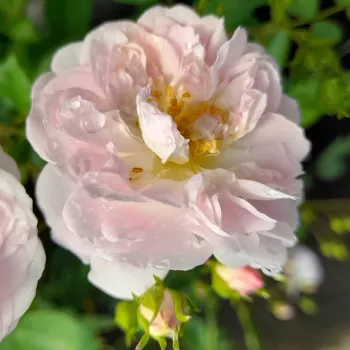
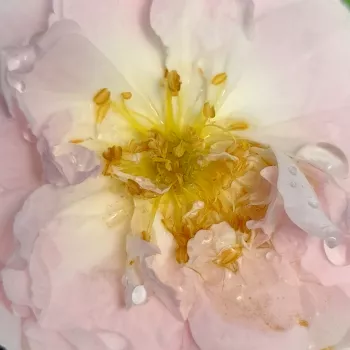
Semi-double, cup-shaped blooms with 13–25 petals, medium-sized clusters on short stems; remontant with a particularly abundant second flush in suitable conditions. |
| Colour data and phenology |
Clear white flowers, ARS code w, RHS NN155C–NN155D; buds snow-white with greenish tips, opening to milky-white with creamy undertone, holding colour with only slight softening. |
| Fragrance and aroma |
Sweet, distinctly strong fragrance characteristic of classic garden roses; best appreciated near paths, patios or seating areas where air movement carries the scent. |
| Hip characteristics |
Rose-hip set usually low, as semi-double flowers shed some spent blooms; occasional small, spherical orange-red hips 7–9 mm may develop late in the season. |
| Resistance and winter hardiness |
Rated resistant to black spot, powdery mildew and rust; hardy to approximately –21 to –18 °C (RHS H7, Swedish zone 3, USDA zone 6b) with average heat and drought tolerance. |
| Horticultural recommendations |
Best in full sun with well-drained soil; suitable for beds, edging, pots and groundcover. Plant 30–55 cm apart depending on use; water during prolonged dry spells for sustained flowering. |
DAINTY WHITE – white dwarf-mini rose - Scarman offers compact, fragrant flowering, strong disease resistance and a long-lived own-root structure, making it a thoughtful choice for small romantic gardens and relaxed, enduring plantings.