DAINTY BESS – pink historic tea rose – Archer
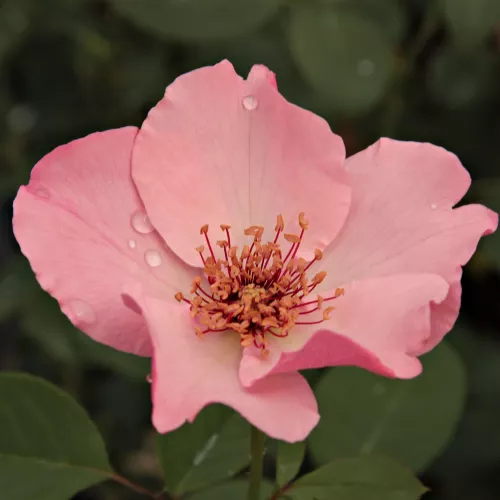
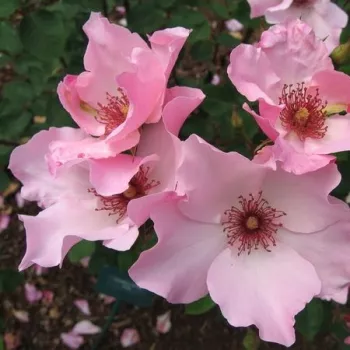
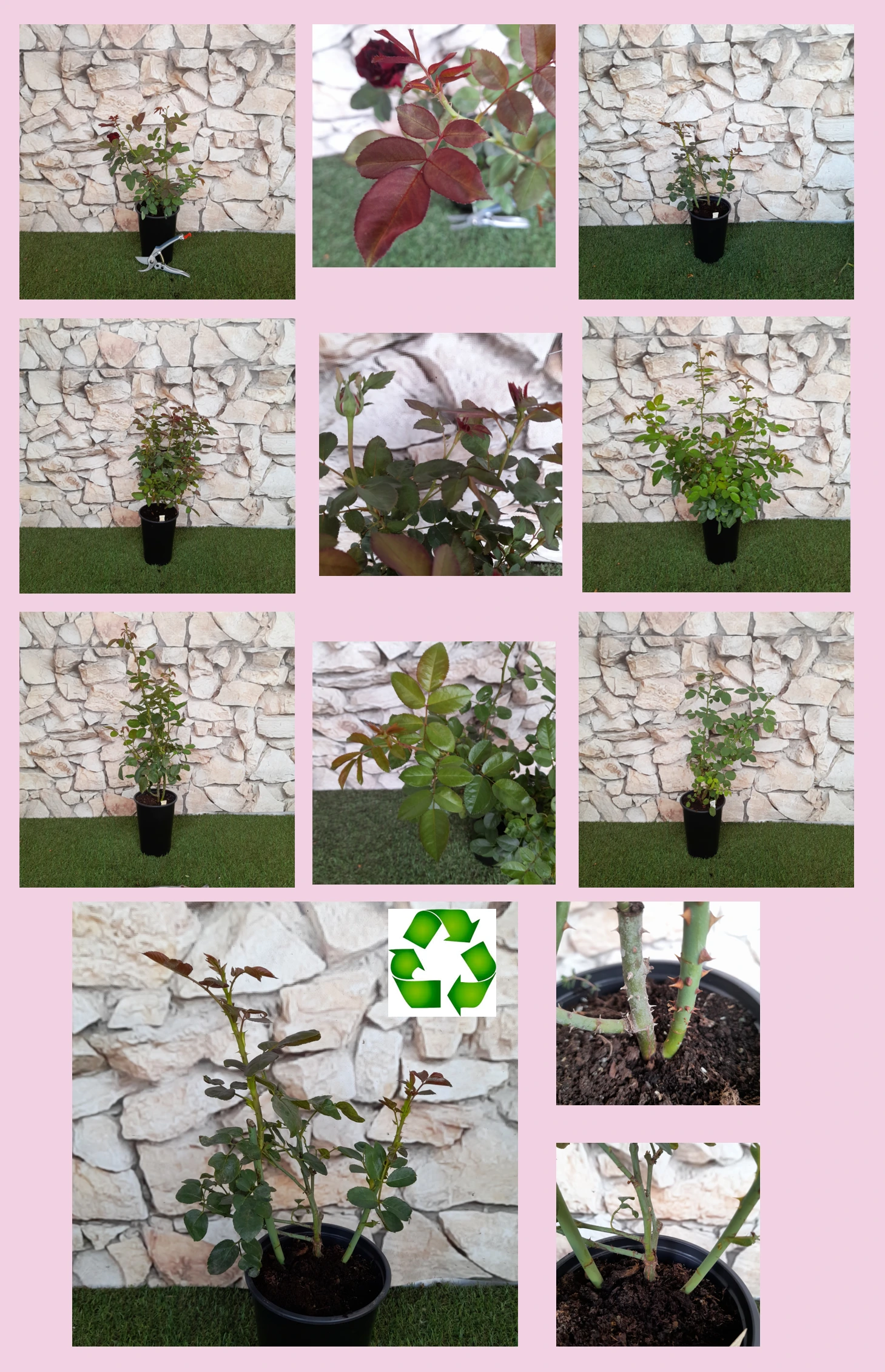
With its airy, single blooms and gracefully upright habit, Dainty Bess brings a distinctly romantic, storybook cottage charm to family gardens while coping reliably with breezier, rain‑washed sites near the coast. This historic hybrid tea rose flowers repeatedly through the season, offering large, silken, light‑pink blooms with burgundy stamens that look as though they belong beside a traditional arbour and afternoon tea table. Own‑root plants build up gradually for a long, stable garden life – roots first in the planting year, more confident shoots the next, and by the third summer the full ornamental picture settles into place with dependable flushes. Medium maintenance and good disease resistance keep tasks simple for busy gardeners, while its strong stems and elegant flowers are excellent for cutting to bring that same soft, nostalgic mood indoors.
Usage options
| Target area |
Reasoning |
| Romantic front‑garden border |
The upright, medium‑tall habit and translucent silvery‑pink flowers give a refined, airy presence that reads beautifully from the pavement without overwhelming a small space. Reliable repeat flowering keeps the border welcoming for beginners. |
| Sunny cottage‑style mixed bed |
Single, open blooms with dark stamens sit lightly among perennials, weaving that soft, “girly” English‑countryside feel without appearing heavy or formal. Good resistance to common rose diseases supports relaxed, low‑spray families. |
| Feature rose near seating or arbour |
The clear, medium tea‑spice fragrance and graceful stems make this an ideal partner for a bench or arbour, where the flower detail can be appreciated up close. Steady remontant blooming underpins long, cosy afternoons for homeowners. |
| Cutting patch in kitchen or cutting garden |
Large, elegant single flowers on upright stems are perfect for vases, giving a classic exhibition‑style look with a historic twist. Own‑root robustness supports many years of dependable stems for cut‑flower‑lovers. |
| Traditional rose and herb border |
The light, silky pink pairs naturally with herbs and old‑fashioned perennials, while moderate maintenance needs suit gardens where time is split between vegetables, children and everyday life for busy gardeners. |
| Small group planting for impact |
Planted in a loose trio at the recommended spacing, the upright bushes form a soft, see‑through screen of bloom that fits typical UK family plots, even where breezes and frequent showers shape the planting choices for coastal‑area owners. |
| Large container on terrace or patio |
In a 40–50 litre pot with good drainage, its neat footprint and vertical growth bring height and romance to terraces or small urban gardens, while own‑root durability allows re‑shooting if growth is checked for city‑based residents. |
| Pollinator‑friendly corner of the garden |
The open, single flowers with exposed stamens are highly attractive to bees and other beneficial insects, adding life and movement while preserving a clean, refined look that still suits design‑conscious urbanites. |
Styling ideas
- COTTAGE RIBBON – Thread Dainty Bess along a path with catmint, foxgloves and clustered bellflower for an airy, pastel ribbon of bloom – ideal for cottage‑style enthusiasts.
- TEA TERRACE – Place a large container near a bistro set, underplanted with trailing thyme and soft pink verbena for a teahouse mood – perfect for balcony and patio gardeners.
- HERITAGE MIX – Combine with old‑fashioned herbs, white sagebrush and soft ornamental grasses to highlight its historic character – suited to lovers of traditional planting.
- PINK FOCAL – Use as a solitary specimen in lawn or gravel with low box or lavender edging to frame its translucent blooms – appealing to those wanting a simple but striking centrepiece.
- FAMILY BORDER – Weave among hardy perennials and low hedging so children can see pollinators at work around friendly, non‑overbearing roses – great for family garden owners.
Technical cultivar profile
| Parameter |
Data |
| Name and registration |
Dainty Bess – historic hybrid tea, ARS exhibition name Dainty Bess; commercial use as a heritage garden rose in own‑root form for long‑term planting. |
| Origin and breeding |
Bred by William Edward Basil Archer, United Kingdom, from ‘Ophelia’ × ‘Kitchener of Khartoum’; introduced 1927 via Hazlewood Bros. in Australia for wider distribution. |
| Awards and recognition |
Multiple Royal National Rose Society Show and Trials certificates between 1930 and 1953, supporting its long‑standing reputation among exhibitors and rose enthusiasts. |
| Growth and structural characteristics |
Upright bush 100–140 cm high, 80–110 cm wide, medium foliage density with dark green leaves and moderate prickles; forms a refined, vertical outline suited to borders and specimens. |
| Flower morphology |
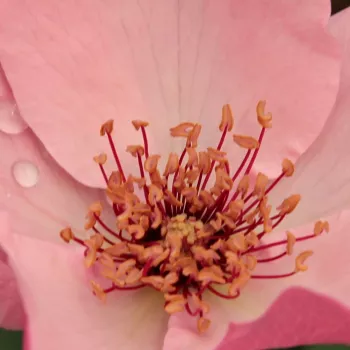
Large, single, flat blooms with 5–12 petals, borne mainly singly on stems; remontant through the season with a generous second flush, providing a light, elegant flower display. |
| Colour data and phenology |
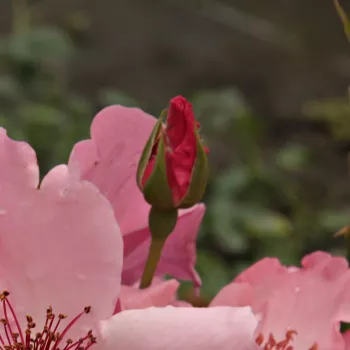
Soft light pink, RHS 65C–65D, with silvery tones; newly opened flowers show a deeper centre, then fade to very pale, almost translucent pink with a delicate silvery edge before dropping. |
| Fragrance and aroma |
Clearly perceptible, medium‑strength fragrance combining classic tea notes with a light spicy character; best appreciated near seating, paths or when used as a cut flower indoors. |
| Hip characteristics |
Moderate crop of small ellipsoid hips, around 10–14 mm, orange‑red when mature; can offer a discreet ornamental effect and additional seasonal interest in late summer and autumn. |
| Resistance and winter hardiness |
Hardy to about −26 to −23 °C (RHS H7, USDA 5b); resistant to powdery mildew and black spot, with moderate rust susceptibility, supporting medium‑input, responsible home gardening. |
| Horticultural recommendations |
Best in full sun with well‑drained soil; space 80–150 cm depending on use. Maintenance medium: basic pruning and occasional plant protection keep plants healthy and floriferous. |
Dainty Bess offers romantic, repeat‑flowering blooms, gentle tea‑spice fragrance and durable own‑root growth for many seasons of characterful charm, making it a thoughtful choice for relaxed family gardens.