CSINI CSANI – pink hybrid tea rose – Márk
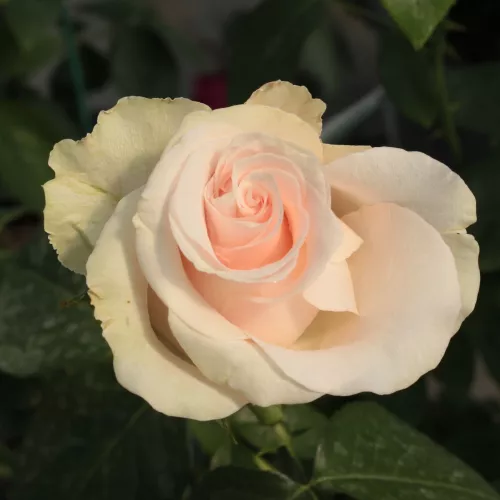
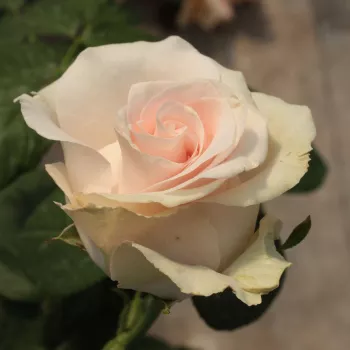
Softly coloured and easy to manage, CSINI CSANI brings a romantic cottage-garden feel to small family plots without demanding professional gardening skills. Its upright habit and repeat-flowering nature create a dependable, high-centred cut-rose look for hedges, beds and mixed borders, while the semi-double blooms offer a gentle, clearly noticeable fragrance that suits afternoon tea corners and quiet seating areas. Own-root planting means long-term stability, natural regeneration after harder pruning and a reassuring lifespan that matures steadily in a simple, year-by-year rhythm, allowing the plant to settle securely even where breezes and coastal weather are part of everyday life. In typical British clay or chalk soils, CSINI CSANI will reward basic care – watering in dry spells and light deadheading – with an increasingly floriferous display of peach-pink blooms that soften to powder pink. Over time the glossy foliage and steady framework of stems build a structure you can rely on, supporting repeat flushes of flowers for cutting or for admiring from the kitchen window.
Usage options
| Target area |
Reasoning |
| Front garden focal bed |
The upright, bushy habit and large, high-centred blooms make CSINI CSANI an easy focal point near the path or front door, giving a tidy yet romantic welcome with minimal pruning needs for the busy homeowner. |
| Traditional rose border |
Consistent repeat-flowering and semi-double, pastel-pink blooms create a classic hybrid tea rhythm through the season, filling traditional rose beds with reliable colour and scent for the lover of heritage style. |
| Cutting patch in a kitchen garden |
Long, straight stems and pointed buds suit home-cut bouquets; the moderate fragrance and soft peach-pink tones blend well with home-grown herbs and perennials, ideal for the domestic flower arranger. |
| Cottage-style mixed border |
Glossy mid-green foliage and steady vertical growth give structure among catmint, yarrow or daylilies, while the pastel flowers weave naturally into informal cottage schemes for the English countryside enthusiast. |
| Small family garden feature shrub |
Low maintenance needs, strong disease resistance and own-root resilience offer a long-lived, dependable shrub for compact plots, suiting families who want beauty without complex care for the practical garden owner. |
| Lightly formal rose hedge |
Planting at 50–60 cm spacing creates a loosely formal line; repeat-flowering and moderate height produce a soft, storybook edge that frames lawns or play areas for the family with traditional taste. |
| Large container on terrace or patio |
In a 40–50 litre pot with good drainage, CSINI CSANI offers upright structure, pastel colour and fragrance close to seating, coping well where regular watering is possible for the urban balcony gardener. |
| Sheltered, breezy corner seating area |
Sturdy, bushy growth and own-root anchoring help the plant settle securely even in breezier gardens, building presence over the first few seasons for the owner of coastal plots. |
Styling ideas
- Cottage Border Ribbon – Thread CSINI CSANI through a mixed border with catmint, yarrow and daylilies to echo English cottage charm – ideal for those favouring soft, romantic planting.
- Kitchen Garden Cutting Row – Line a vegetable plot path with evenly spaced plants for reliable stems and pastel blooms to cut alongside herbs – perfect for home florists who also grow food.
- Porch Welcome Pair – Plant two specimens in generous 50 litre containers by the front door for a scented, tidy greeting – suited to homeowners wanting impact from a small footprint.
- Storybook Lawn Edge – Create a low, informal hedge along the edge of a family lawn, blending with simple perennials for a gentle, traditional frame – good for families seeking softness around play space.
- Afternoon-Tea Nook – Use a small group near a bench or arbour, underplanted with catmint, to bring fragrance and pastel colour to tea-time corners – appealing to those who value calm, cosy seating areas.
Technical cultivar profile
| Parameter |
Data |
| Name and registration |
Hybrid tea rose, trade name CSINI CSANI, ARS exhibition name Chini-Chani; hybrid tea group and commercial type; no separate registered cultivar name recorded to date. |
| Origin and breeding |
Bred by Márk Gergely in Hungary around 2000, introduced by PharmaRosa Ltd in 2008; selection from Márk Rózsakertészet, Törökbálint, for garden and cutting use. |
| Growth and structural characteristics |
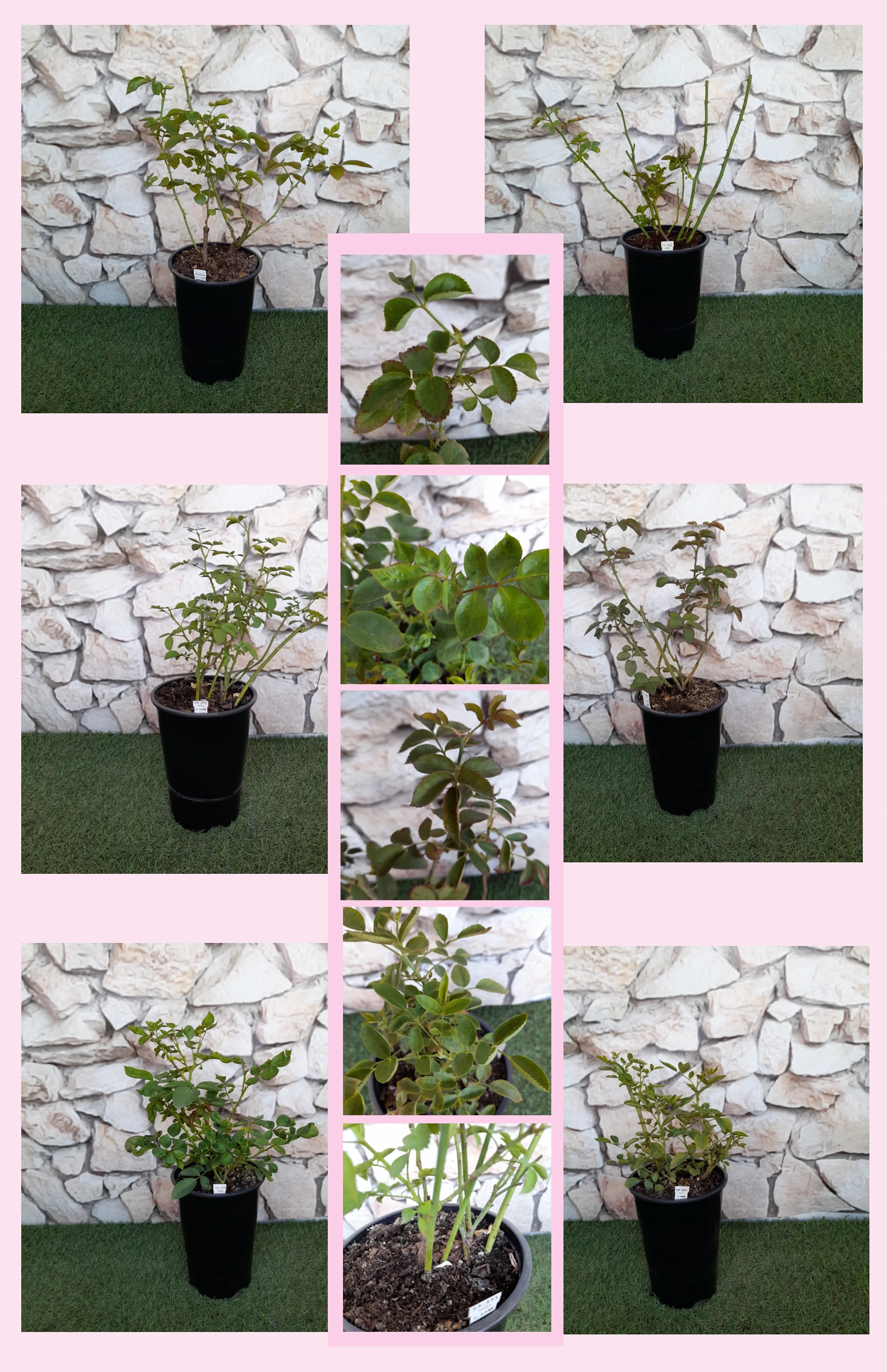
Upright, bushy habit, 75–105 cm high and 50–70 cm wide, with dense, glossy mid-green foliage and moderate prickliness; weak self-cleaning so spent blooms benefit from removal. |
| Flower morphology |
Large, semi-double blooms with 13–25 petals, high-centred, pointed buds on mainly solitary stems; strong repeat-flowering with a particularly abundant second flush in season. |
| Colour data and phenology |
Delicate peach-pink tones (RHS 36C outer, 36D inner) opening to light peachy pink, then fading towards powder pink, especially in strong sun; colour retention moderate through each flush. |
| Fragrance and aroma |
Soft, sweet fragrance of moderate strength, clearly noticeable at close range and around seating areas in still air, adding scented value to borders and cutting gardens. |
| Hip characteristics |
Produces moderately abundant, small spherical hips, 6–10 mm across, in an orange-red shade; hips offer subtle autumn interest without dominating the plant’s overall garden effect. |
| Resistance and winter hardiness |
Very good resistance to powdery mildew, black spot and rust; hardy to about −21 to −18 °C (RHS H7, USDA 6b, Swedish zone 3); appreciates regular watering in prolonged dry periods. |
| Horticultural recommendations |
Best in sunny positions with fertile, well-drained soil; plant 50–100 cm apart depending on use; suit flower beds, hedging or specimen roles; low maintenance with routine deadheading and feeding. |
CSINI CSANI combines reliable repeat flowering, soft pastel blooms and strong disease resistance with the long-lived, regenerating benefits of an own-root rose, making it a thoughtful, low-effort choice for your next planting.