CLEOPÁTRA™ – red-yellow dwarf mini rose
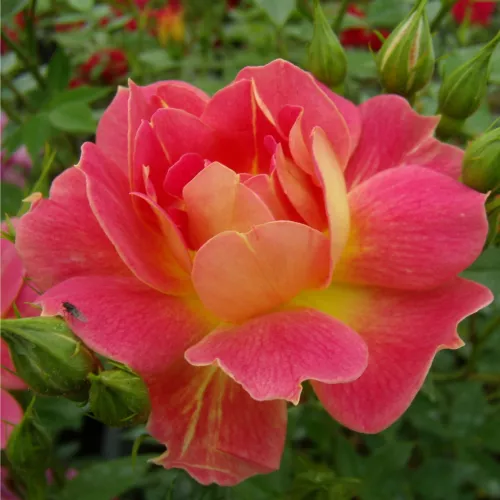
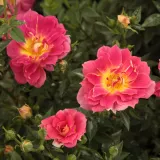
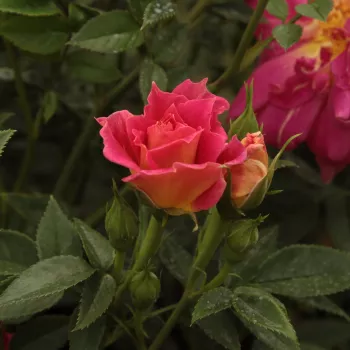
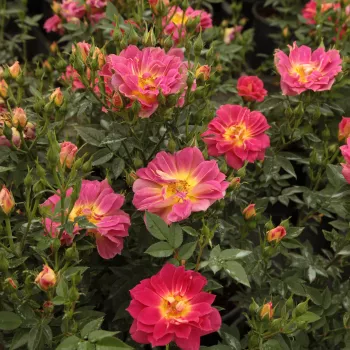
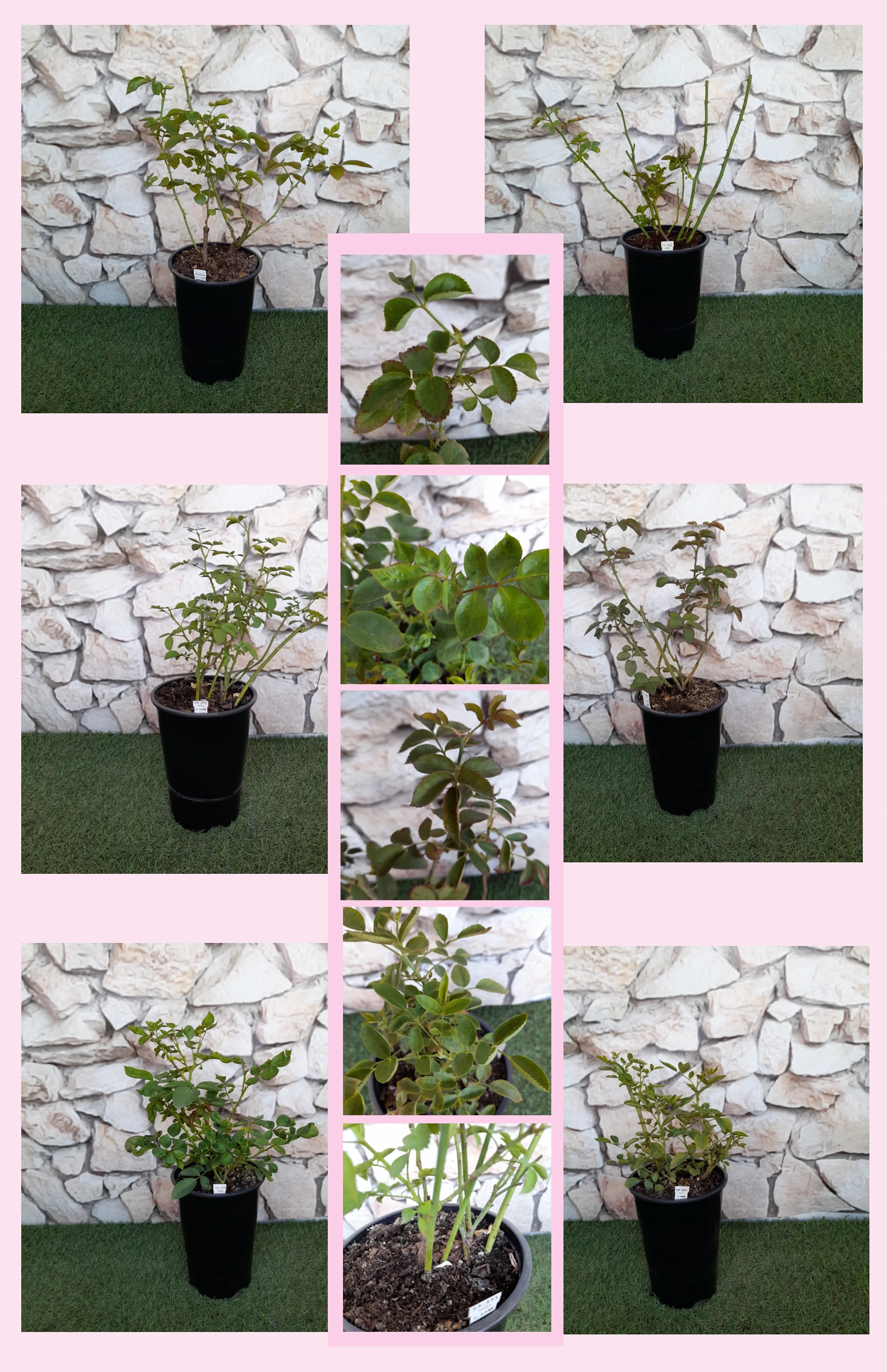
With its compact stature and jewel-like blooms, CLEOPÁTRA™ brings a sense of cottage romance to even the smallest corners of a family garden. This miniature, own-root rose settles quickly and is easy to manage, ideal where you want colour without complicated maintenance. Clusters of red and yellow, cup-shaped flowers repeat through the season, creating a cosy backdrop for afternoon tea beneath an arbour or beside a kitchen garden. The dense dark foliage and neat, bushy habit make it perfect for edging paths, framing beds or planting in generous containers, while its reliable health gives reassuring longevity in typical British conditions. In heavier soils it appreciates a slightly raised, well-drained spot, quietly coping with breezier, more exposed gardens where rain and wind are regular visitors. The own-root form matures steadily into a stable, long-lived plant – roots building in the first year, shoots filling out in the second, and full ornamental impact from around the third – offering lasting value for relaxed, storybook-style spaces.
Usage options
| Target area | Reasoning |
|---|
| Edging along paths and borders |
The compact, bushy habit and 30–40 cm height form a low, tidy line that defines paths without overwhelming a small family garden. Repeating red-yellow flowers keep the edge colourful across summer for hobby gardeners. |
| Feature containers on terrace or patio |
Its miniature size and dense foliage suit large containers of 40–50 litres, where roots have space to develop and the plant remains proportionate to the pot. Recurrent flowering brings reliable colour near seating for busy urban owners. |
| Front of mixed cottage border |
Placed at the front of a cottage-style bed, CLEOPÁTRA™ creates a low, romantic layer beneath climbers and perennials, with its vivid bicolour flowers tying together warm-toned planting schemes for traditional-style lovers. |
| Small hedge or informal edging strip |
At 25–30 cm spacing, plants knit into a soft, low hedge that outlines vegetable plots or paths, providing structure through dense foliage and repeat flowering while remaining easy to prune or lightly trim for family gardeners. |
| Part-shaded town garden corners |
Suitable for partial shade, this rose brings colour to courtyards or side passages that receive only a few hours of sun, while its disease resistance reduces the need for spraying in enclosed, humid spots for beginners. |
| Coastal or wind-exposed plots |
The compact stature and firm, bushy growth help it stand steadily where taller roses may rock in strong breezes, making it useful in gardens that regularly experience brisk, rain-laden winds for coastal residents. |
| Low-maintenance family borders |
Good resistance to black spot, mildew and rust keeps foliage clean with minimal intervention, reducing the need for chemicals and demanding care routines in busy family settings for time-pressed owners. |
| Long-term planting in established beds |
The own-root form develops into a durable, regenerating plant that maintains its compact shape and repeat flowering over many seasons, making it a sound, future-proof addition to permanent schemes for thoughtful planners. |
Styling ideas
- Pathway lace – Plant CLEOPÁTRA™ in a narrow strip along gravel or brick paths, interspersed with low thyme, to create a storybook walkway – ideal for cottage-garden romantics.
- Kitchen-edge – Use it as a neat, flowering border in front of herbs and vegetables, where its compact habit keeps access practical yet charming – perfect for rural kitchen-garden keepers.
- Terrace jewel – Place one or three plants in a 40–50 litre clay pot with trailing lobelia or ivy to bring refined colour to patios and balconies – suited to space-conscious city dwellers.
- Mini-parterre – Arrange in geometric blocks with clipped box and airy grasses to form a low, classical layout softened by vibrant blooms – appealing to design-minded homeowners.
- Storybook mix – Combine with clematis ‘Little Artist’ and panicled phlox behind, letting CLEOPÁTRA™ front the display with bright clusters – for those recreating an English countryside feel.
Technical cultivar profile
| Property | Data |
|---|
| Name and registration |
Miniature, dwarf rose marketed as CLEOPÁTRA™ – red-yellow mini rose; part of the Mini - dwarf rose collection, commercial type dwarf - mini rose for garden and container use. |
| Origin and breeding |
Discovered by pharmaROSA®, with parentage and original breeder data not recorded; introduced commercially in 1994 after registration in 1993 via PharmaRosa® Ltd. in Hungary. |
| Growth and structural characteristics |
Compact, bushy shrub reaching about 30–40 cm tall and 25–35 cm wide, with dense, glossy dark green foliage and moderate prickliness, naturally forming a neat, low mound. |
| Flower morphology |
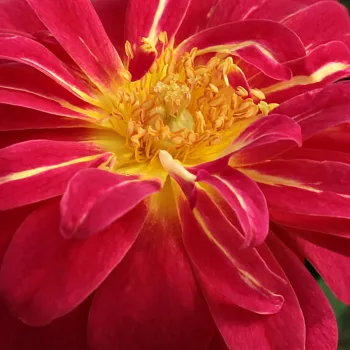
Small, cup-shaped double blooms, typically 0.5–1.5 inches across with 26–39 petals, borne mainly in clusters, remontant with abundant repeat flowering in suitable garden conditions. |
| Colour data and phenology |
Striking red-yellow bicolour; inner petal surfaces vivid crimson red, outer surfaces creamy yellow, with very good colour retention and only slight dulling of red tones as flowers age. |
| Fragrance and aroma |
Mild, delicately fruity fragrance that adds a gentle sensory note at close range without dominating nearby seating areas; primarily grown for colour rather than scent intensity. |
| Hip characteristics |
Occasionally forms small, 5–7 mm ellipsoid hips that turn orange-red, offering modest seasonal interest without significantly affecting the plant’s compact ornamental appearance. |
| Resistance and winter hardiness |
Rated resistant to powdery mildew, black spot and rust; hardy to approximately -21 to -18 °C (RHS H7, Swedish zone 3, USDA 6b) with moderate heat tolerance given regular watering. |
| Horticultural recommendations |
Ideal for beds, edging and containers; low maintenance with good disease resistance, plant at 25–45 cm spacing depending on use, thriving in sun or partial shade with reasonable drainage. |
CLEOPÁTRA™ offers compact, repeat flowering colour with reliable health in an easy-care, own-root form that settles for the long term, making it a thoughtful choice for relaxed cottage-style gardens.