CLARITA™ – orange-red hybrid tea rose - Meilland
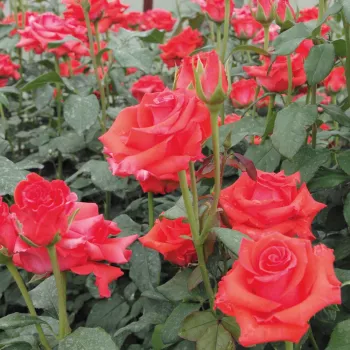
With its vivid orange-red blooms and softly scented character, CLARITA™ brings a welcoming, romantic focus to modest family gardens, fitting beautifully into a cottage-style border beside a small lawn seating area. Bred for reliable flowering and low-fuss garden performance, it offers a bushy, compact habit that sits comfortably among perennials, herbs and kitchen-garden beds. The own-root form supports long-term garden stability and easier recovery after pruning, giving you a dependable, long-lived feature without demanding specialist skills. In many British plots, where breezy days and frequent showers call for roses that cope well with wet, blustery conditions, its proven resistance to key fungal diseases helps it stay attractive with minimal spraying. Given reasonable drainage, it adapts readily to typical urban clay or chalk soils, offering a colourful, repeat display from early summer onwards. Over the first few seasons it knits quietly into your planting, with roots building, then shoots strengthening, before reaching its full ornamental potential in about the third year. Whether grown as a focal-point shrub or in large terrace containers, its repeat-flowering, cuttable stems bring the atmosphere of afternoon tea under a rose arbour into everyday home life.
Usage options
| Target area | Reasoning |
|---|
| Feature rose near a seating area |
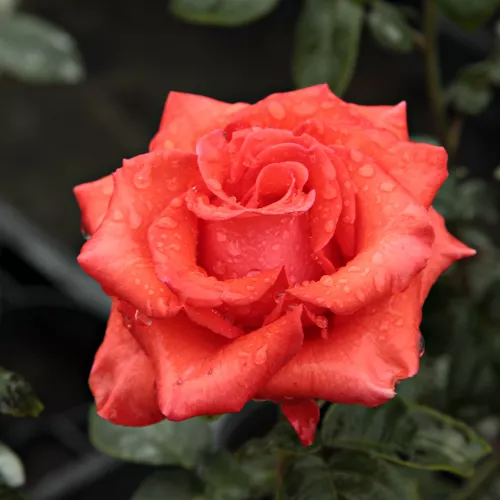
The rich orange-red, cup-shaped blooms stand out against dark, glossy foliage, creating an intimate, storybook focal point beside a bench or small patio table while remaining compact and measured in size, ideal for those seeking romantic impact with limited space for beginners |
| Cottage-style mixed border in clay or chalk |
CLARITA™ copes well once established in typical UK garden soils, provided basic drainage is ensured, and its good disease resistance keeps the foliage smart and serviceable, even through periods of damp weather and brisk breezes that often challenge more delicate varieties for busy-owners |
| Low-maintenance family front garden |
This variety combines a tidy, bushy outline with generally low maintenance needs; routine deadheading and an annual prune are usually enough to maintain form, making it suitable for family driveways and front beds that must look presentable without regular, time-consuming attention for homeowners |
| Cutting patch for home-arranged flowers |
The long-stemmed, hybrid tea form and large, double blooms make CLARITA™ well suited for cutting, giving you elegant, vibrant stems for kitchen-table vases from summer into autumn, without relying on greenhouse conditions or specialist florist techniques for home-arrangers |
| Own-root planting for long-term structure |
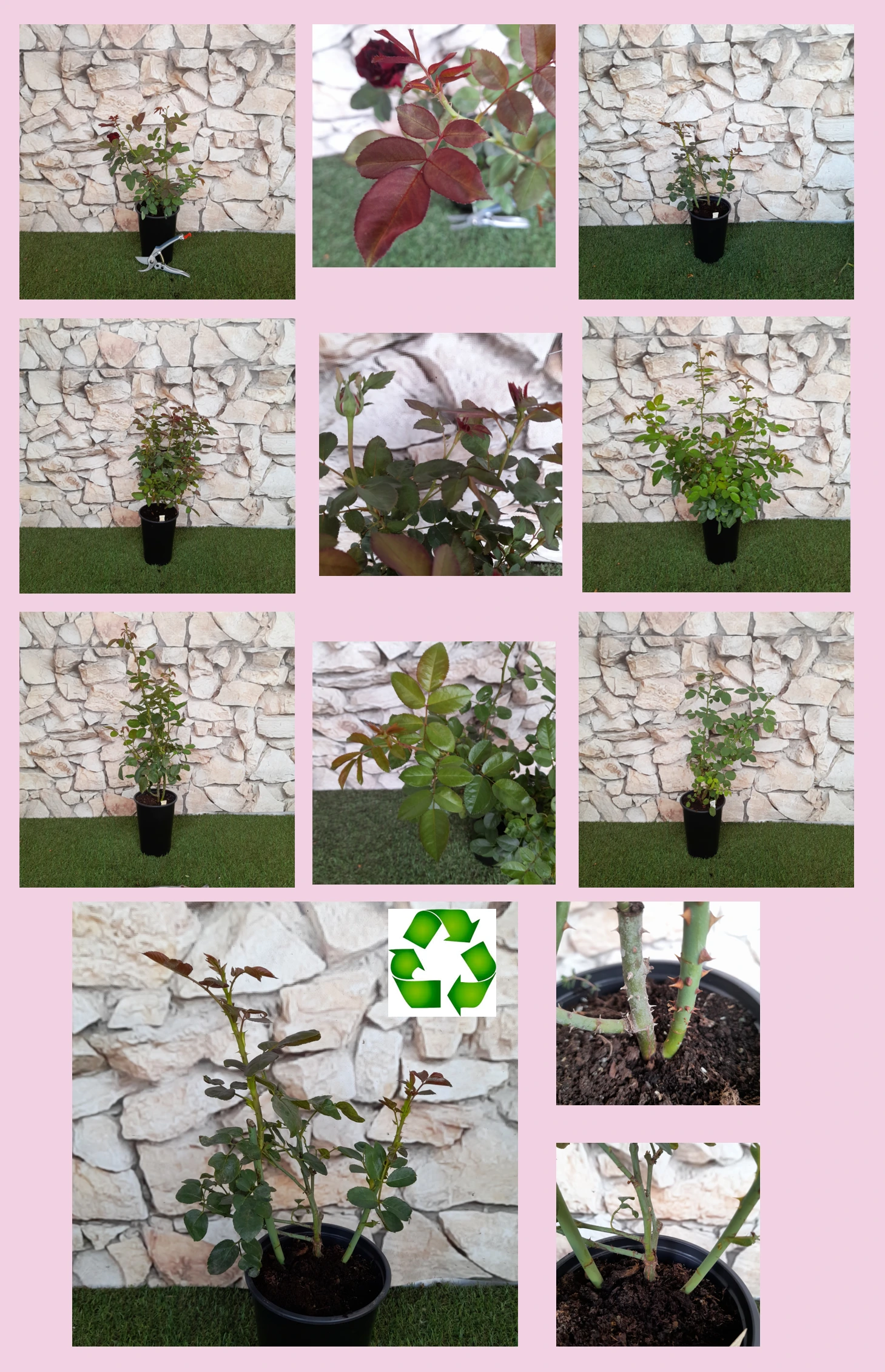
As an own-root shrub, CLARITA™ can regenerate reliably after harder pruning or accidental damage, retaining its true characteristics and building into a durable framework that supports a stable, repeat-flowering display across many years with modest routine care for long-term-planners |
| Raised beds and large containers (40–50 L+) |
Its controlled height and bushy spread make it a good candidate for generous pots or raised planters of at least 40–50 litres, where consistent moisture and feeding can be managed easily, bringing cottage-garden charm onto balconies, terraces and compact courtyards for urban-gardeners |
| Season-long colour anchor in a mixed scheme |
The remontant habit delivers waves of flowers with an abundant second flush, so even between peak moments there is reliable colour punctuation among perennials, herbs and ornamental grasses, keeping borders lively from early summer well into the later season for colour-seekers |
| Traditional rose border with flexible pruning |
Its bushy growth and moderate height respond well to a range of pruning styles, from classic hybrid tea shaping for exhibition blooms to simpler annual thinning, allowing gardeners to adjust the level of attention as their confidence and available time change over the years for hobby-gardeners |
Styling ideas
- Tea-time focus – Place CLARITA™ beside a small bistro set, underplanted with low lavender and rosemary to frame the warm orange-red blooms and soft scent – ideal for homeowners who enjoy relaxed afternoon tea outdoors.
- Cottage ribbon – Thread several plants along a narrow front path, interspersed with catmint and pink penstemons, to form a romantic, low rose border that stays welcoming without dominating the space – perfect for lovers of traditional cottage style.
- Kitchen-garden glow – Tuck CLARITA™ into a corner of the vegetable plot with chives, thyme and marigolds, where its repeat-flowering habit and good disease resistance lend colour and order to productive beds – suited to practical kitchen-garden owners.
- Container parlour – Grow one specimen in a 50–60 litre terracotta pot with trailing thyme and small ornamental grasses to soften the rim, creating a movable focal point for patios or roof terraces – a strong option for busy urban gardeners.
- Warm sunset border – Combine with Crocosmia ‘Lucifer’, switchgrass and dusky salvias so the orange-red roses thread through fiery, late-summer tones, anchoring the scene with structured blooms – appealing to those who enjoy bold, painterly planting.
Technical cultivar profile
| Property | Data |
|---|
| Name and registration |
Hybrid tea rose, registered as MEIbyster, marketed as CLARITA™ Hybrid tea rose MEIbyster; ARS exhibition name Clarita; name is a diminutive form of a female given name. |
| Origin and breeding |
Bred by Alain Meilland (Meilland International, France) from ‘Tropicana’ × (‘Zambra’ × ‘Romantica’); introduced and registered in 1971, reflecting classic hybrid tea breeding of that era. |
| Awards and recognition |
Gold medal at the Geneva International Rose Competition in 1971; subsequently listed and recommended in several catalogues under the alternative trade name Atoll in some markets. |
| Growth and structural characteristics |
Bushy, moderately dense shrub, typically 70–100 cm high and 50–70 cm wide, with dark glossy foliage and moderate prickliness; spent blooms usually require deadheading as self-cleaning is weak. |
| Flower morphology |
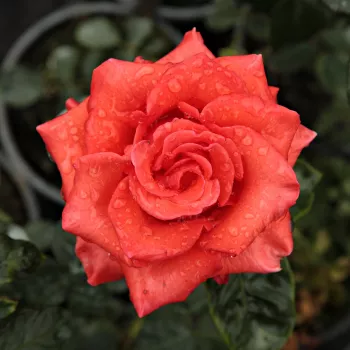
Large, double, cup-shaped hybrid tea blooms with 26–39 petals, mainly borne singly on stems; remontant habit with a notably abundant second flowering period under suitable care. |
| Colour data and phenology |
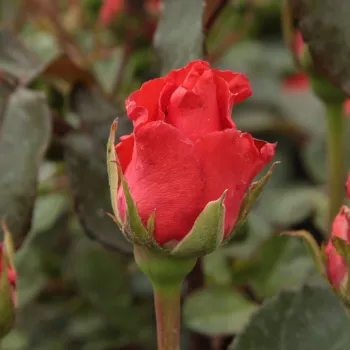
Vivid orange-red with slight vermilion undertone; buds deep and glossy, maturing through intense orange-red to softer coral as blooms age; colour retention moderate before eventual fading. |
| Fragrance and aroma |
Mild, subtly scented rose fragrance with a soft, harmonious character; decorative value takes precedence over perfume intensity, offering a gentle rather than overpowering scent in the garden. |
| Hip characteristics |
Rose hips form only occasionally due to double flowers; when present they are ovoid, around 12–18 mm in diameter, orange-red in colour and not usually a dominant ornamental feature. |
| Resistance and winter hardiness |
Rated resistant to powdery mildew, black spot and rust; hardy to approximately −15 to −12 °C (RHS H6, Swedish Zone 2, USDA 7b), suitable for much of the UK with normal winter precautions. |
| Horticultural recommendations |
Best in sunny positions at 50–90 cm spacing, depending on use; suitable for borders, specimen planting and cutting; low maintenance needs, primarily regular deadheading and straightforward annual pruning. |
CLARITA™ offers vibrant, repeat orange-red blooms, a compact, easy-care habit and long-lived own-root reliability; a thoughtful choice if you would like a romantic yet practical rose for everyday garden enjoyment.