DELVIOLA – lilac-pink hybrid tea rose – Delbard
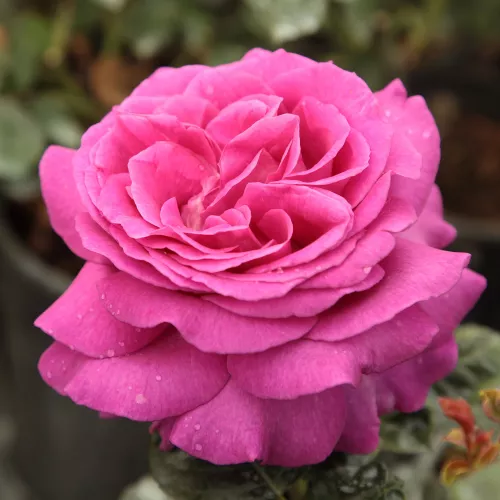
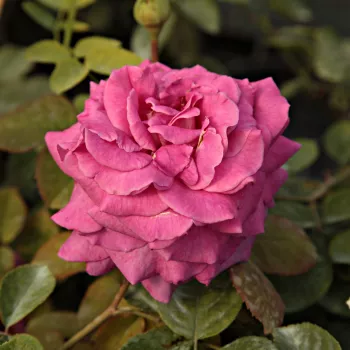
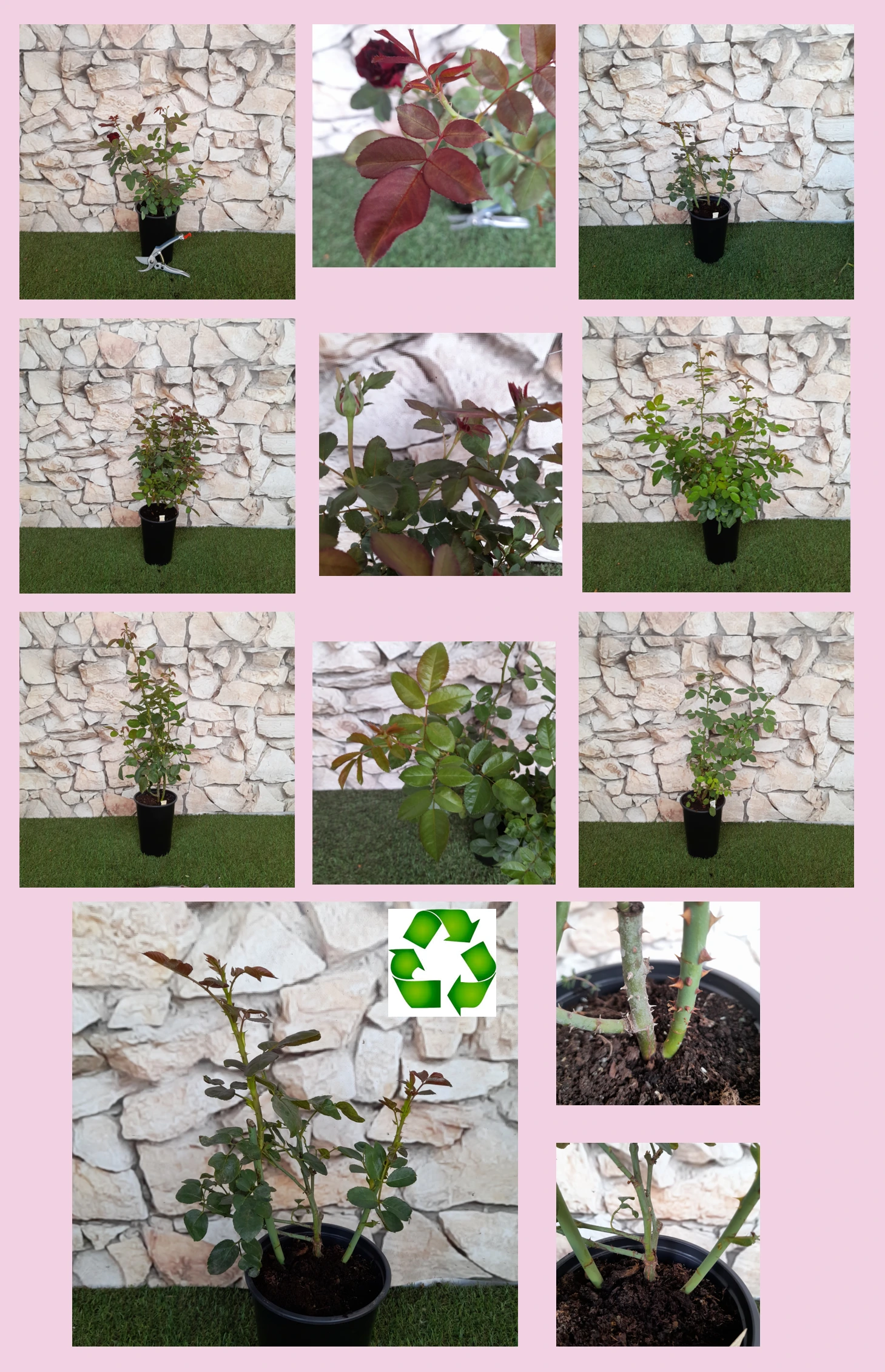
Wrap your seating area in romance with DELVIOLA, a lilac-pink hybrid tea rose bred for its extremely strong, garden-filling perfume and elegant, high-centred blooms that seem made for afternoon tea beneath an arbour. This upright, bushy rose builds reliable structure in a small or medium family garden, with glossy dark foliage that shows off its rich, velvety flowers. As an own-root plant it offers reassuring longevity, quietly regenerating from the base after harsher winters and maintaining stable ornamental value over many years with only moderate care. In coastal and breezier spots it stands firm, its stems anchoring well even where wind and rain regularly sweep through the garden. Ideal for classic mixed borders or as a potted focal point on a terrace, it develops steadily from establishing roots to stronger shoots and finally a full display of flowers over three seasons, simplifying long-term planning in a busy household. With regular but undemanding deadheading and watering in dry spells, DELVIOLA rewards you with generous rebloom, allowing an extended picking season for scented indoor vases. Its medium maintenance needs fit neatly into a practical weekly routine, while its versatile planting distances make it easy to weave into cottage-style layouts for a feeling of everyday cosiness. In larger containers of at least 40–50 litres, its neat footprint and vertical accent bring elegance to patios and front doors, keeping the classic rose look close to where you relax. Choose DELVIOLA if you are seeking dependable beauty and fragrance without specialist skills, a rose that grows with your family and frames those unhurried moments in the garden.
Usage options
| Target area |
Reasoning |
| Near terrace or seating area |
Planted by a terrace, DELVIOLA’s extremely strong scent gathers around the sitting area, creating a romantic, storybook atmosphere for everyday use. Its upright, bushy habit keeps the plant tidy and compact so it does not sprawl across paths or furniture, while the glossy foliage remains attractive between flushes of bloom. Own-root vigour and steady regeneration mean the plant copes well over many seasons with only moderate maintenance, ideal for those who want impact without complexity, particularly busy urban gardeners. |
| Feature rose in a cottage-style border |
In a traditional mixed border with perennials and herbs, DELVIOLA provides reliable vertical structure and large, hybrid tea blooms that rise above lower planting. The rich lilac-pink colour reads beautifully against soft greens and greys, suiting “girly” cottage schemes with lavender, catmint and gypsophila. The bushy shape and recommended spacing give an easy framework, while own-root durability ensures the clump thickens gradually rather than exhausting itself, appealing to romantic cottage gardeners. |
| Cutting patch for home bouquets |
As a hybrid tea with solitary, high-centred flowers, DELVIOLA is particularly suited to cutting. The long, straight stems and full, very double form make it a natural for vases, and its fragrance is strong enough to perfume an entire room. Regular cutting doubles as deadheading, encouraging remontant flowering without extra tasks. This combination of floral quality and simple care is a strong advantage for home bouquet enthusiasts. |
| Specimen rose in front garden |
Used as a solitary specimen at the recommended wider spacing, DELVIOLA creates a classic focal point that reads clearly from the street or driveway. The glossy dark foliage and upright silhouette remain presentable all season, while the colour holds well in sun with only slight lightening of the outer petals. Own-root planting allows the shrub to age gracefully without graft-related decline, giving long-term character to a front garden relied on for first impressions by family homeowners. |
| Container on patio or balcony |
In a large container of at least 40–50 litres, DELVIOLA’s moderate height and upright habit make it easy to position in smaller spaces. The root system has room to develop, supporting strong flowering and reducing stress in hotter spells, provided watering is regular. Own-root resilience and the plant’s medium maintenance need suit those who prefer occasional, planned jobs over constant fussing, especially time-pressed beginners. |
| Partially shaded town garden bed |
DELVIOLA tolerates partial shade, helping you bring classic roses into side-return beds or spots that miss the brightest midday sun. In these positions the fragrance often lingers well in stiller air, and colour depth can appear richer. The rose’s dependable structure provides backbone where herbaceous plants might stretch, giving a quietly formal note to relaxed planting schemes favoured by urban terrace owners. |
| Small group planting for scented hedge line |
Planted at hedge spacing, groups of DELVIOLA form a low, scented shoulder along paths or at the edge of a kitchen garden. The consistent height and bushy form create a coherent line without needing strict clipping, while remontant flowering gives repeated splashes of colour. Sturdy stems and a well-anchored root system help the hedge hold its shape even when seasonal wind and rain sweep through exposed sites, reassuring coastal-climate gardeners. |
| Family garden bed with relaxed maintenance |
For a family garden where time is limited, DELVIOLA offers a good balance of display and effort: moderate disease resistance, robust winter hardiness and own-root regrowth reduce long-term risk. Occasional deadheading and basic plant protection are generally sufficient to maintain decorative value. Children and adults alike benefit from its storybook look and perfume without the garden becoming another demanding chore, which particularly suits busy family households. |
Styling ideas
- Arbour romance – Train DELVIOLA near a light metal arch and underplant with lavender and catmint to frame a bistro table for afternoon tea – perfect for lovers of scented, storybook corners.
- Kitchen-border charm – Combine DELVIOLA with herbs, chives and cottage perennials beside raised vegetable beds, giving a pretty, lilac-pink focal point – ideal for home growers who like a traditional potager feel.
- Front-entrance welcome – Place DELVIOLA in a large clay pot with trailing thyme and soft grasses by the front door to greet visitors with fragrance – suited to homeowners seeking low-effort elegance.
- Pastel ribbon – Plant a loose row of DELVIOLA with pale foxgloves and airy gypsophila along a path, creating a soft, girly colour run – appealing to fans of romantic English-countryside borders.
- Evening retreat – Site DELVIOLA near a bench with white campanulas and silver foliage plants so its perfume stands out during twilight sitting – for busy people who mainly enjoy the garden after work.
Technical cultivar profile
| Parameter |
Data |
| Name and registration |
Hybrid tea rose, registered as DELviola, marketed as Delviola and Chartreuse de Parme within the Fragrant Souvenirs d’Amour collection; ARS approved exhibition name Chartreuse de Parme. |
| Origin and breeding |
Bred by Georges Delbard in France from ‘Yves Piaget’ × ‘Nuit d’Orient’; introduced and registered in 1996 by Georges Delbard SA, reflecting a focus on colour depth and perfume. |
| Awards and recognition |
Highly decorated fragrance rose: fragrance prizes at Bagatelle and Baden-Baden 1996, gold medals for fragrance in Madrid and Geneva 1996, and the RNRS Edland Fragrance Medal in 1997. |
| Growth and structural characteristics |
Bushy, upright shrub 80–110 cm high and 60–90 cm wide, with dense, glossy dark green foliage and moderate prickles; suited to beds, small groups and containers in family gardens. |
| Flower morphology |
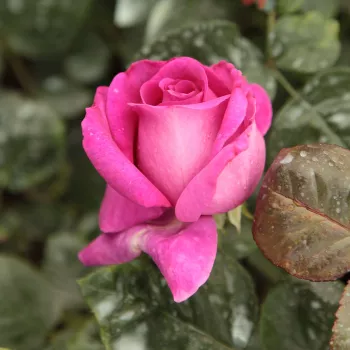
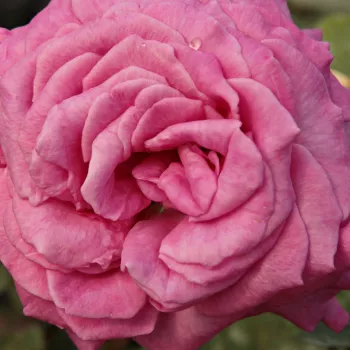
Very double, large hybrid tea blooms with 40+ petals, high-centred and pointed in bud, usually borne singly; remontant with an abundant second flush when regularly deadheaded or cut. |
| Colour data and phenology |
Lilac-pink blooms, RHS 75A outer and 75B inner; buds dark purplish pink, shifting to rich lilac-pink and later cooler lavender tones, with good overall colour retention and slight outer petal lightening. |
| Fragrance and aroma |
Extremely strong, garden-filling perfume evocative of classic scented roses; ideal for planting near seating or paths where air movement carries the aroma and enhances evening garden use. |
| Hip characteristics |
Rose hips form sparsely due to the very double blooms; when present, they are ellipsoidal, 10–14 mm in diameter, coloured orange-red and usually secondary to the plant’s ornamental flower display. |
| Resistance and winter hardiness |
Hardy to approximately –23 to –21 °C (RHS H7, USDA 6a); moderate resistance to black spot, powdery mildew and rust; tolerates heat with regular watering during prolonged drought periods. |
| Horticultural recommendations |
Best in fertile, well-drained soil with full sun to partial shade; suited to beds, cutting, specimen use and large containers; medium maintenance, with routine deadheading and occasional plant protection. |
DELVIOLA offers intensely fragrant, velvety lilac-pink blooms on a compact, structural shrub that thrives long term on its own roots, making it a refined, dependable choice if you would like a romantic focal rose.