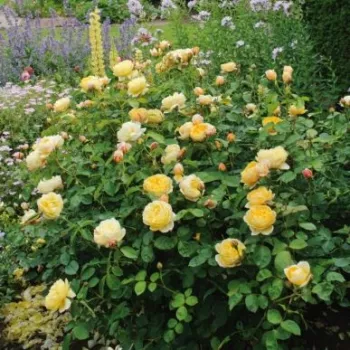
CHARLOTTE – yellow English rose - Austin
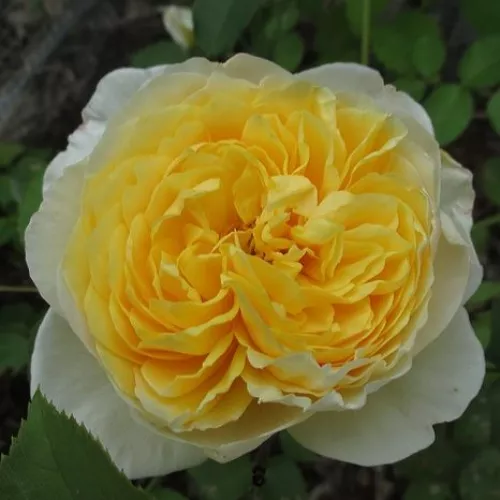
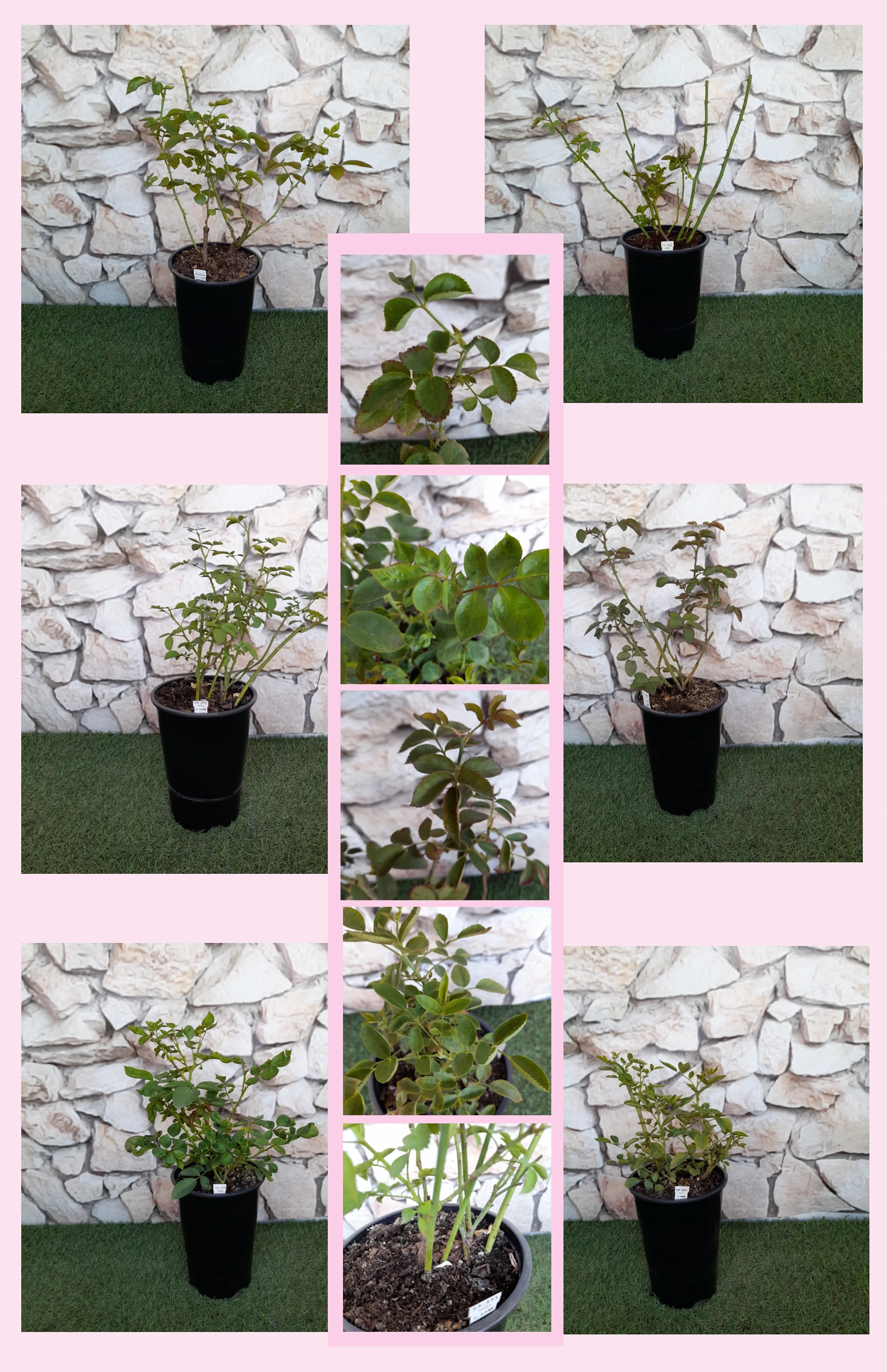
Settle this romantic English shrub rose into your garden for cosy, storybook afternoons, its soft lemon-yellow rosettes glowing even under cloudy skies and coping well with brisk coastal breezes. Grown as an own-root plant, it establishes steadily and promises a long, reliable life without complicated graft care, ideal where you want lasting charm rather than short-lived displays. In a modest family plot it stays usefully compact, yet bushy enough to carry generous flushes of blossom from early summer into autumn, creating a gentle, cottage-style backdrop for daily life. With dense, upright growth and foliage that knits together into a satisfying shrub, it suits both bordered beds and larger containers, provided they are a good 40–50 litres to keep watering practical. Over a few seasons it knits serenely into the border picture, its dependable colour and delicate tea fragrance transforming a simple seating area into something quietly special.
Usage options
| Target area | Reasoning |
|---|
| Central feature in a small cottage-style border |
Its bushy, upright habit and 90–130 cm height give enough presence for a focal point without overpowering a modest family border, while the rounded shape sits naturally among herbs and perennials; well suited to those seeking a gentle romantic focus, especially beginners. |
| Colour anchor in a mixed English country bed |
The soft, creamy lemon blooms read as a calm, unifying tone that works with pinks, blues and whites, providing continuity through repeated flushes from early summer to autumn for relaxed, “girly” schemes, attractive to homeowners. |
| Low, informal flowering hedge |
Recommended spacings of 55–65 cm allow plants to knit into a loose, flowering screen around play lawns or kitchen gardens, giving privacy without feeling heavy, a practical choice where families want a traditional boundary, appealing to families. |
| Feature rose in a 40–50 litre terrace container |
Its moderate size and upright structure adapt well to a deep, stable pot, offering an easy way to bring English-rose character onto patios or small urban spaces, manageable for those who prefer contained planting, ideal for urbanites. |
| Romantic seating corner or arbour surround |
Repeat flowering with an abundant second flush and a medium yet noticeable tea fragrance create a gentle sensory frame for afternoon tea areas, supporting the idea of a cosy storybook nook valued by romantics. |
| Lightly shaded kitchen-garden edge |
Its tolerance of partial shade lets it flower reliably along north-east or east-facing beds where vegetables and herbs also grow, extending use of less-than-ideal spots in real-world gardens for practical gardeners. |
| Long-term structural shrub in traditional plantings |
As an own-root rose it can regenerate from its base after hard winters or pruning errors, giving a long lifespan and stable ornamental value that rewards patient gardeners over many years, particularly reassuring for cautious buyers. |
| Family garden bed in exposed, changeable weather |
Once established, its dense structure and tested hardiness to around –29 to –32 °C help it stand up to windier, wetter British conditions without losing overall form, a calm choice for time-pressed owners. |
Styling ideas
- Cottage Border Heart – Place as the central shrub among pink cranesbill, lavender and white foxgloves for a soft, layered front-garden border – for lovers of romantic street-facing displays.
- Kitchen-Garden Edge – Line a vegetable plot path with spaced plants, interplanted with chives and thyme, to blend productivity and charm – for families who enjoy a traditional potager feel.
- Tea-Corner Focus – Position in a large container beside a bistro set, underplanted with scented crane’s-bill, to frame an afternoon tea spot – for those creating a cosy seating corner.
- Soft-Yellow Palette – Combine with pale pink roses, white campanulas and cool blue nepeta for a restful, storybook colour scheme – for gardeners seeking harmony over high contrast.
- Informal Front-Hedge – Plant in a loose row along the drive, mixed with low box or dwarf lavender, to form a welcoming, flowering boundary – for homeowners wanting gentle structure without formality.
Technical cultivar profile
| Parameter | Data |
|---|
| Name and registration |
Shrub rose from the English Rose Collection, registered as AUSpoly, marketed as Charlotte English Rose AUSpoly; ornamental bed and park type with a feminine given-name cultivar title. |
| Origin and breeding |
Bred by David C. H. Austin in the United Kingdom from an unknown seedling × ‘Graham Thomas’; introduced and registered in 1994 after selection in 1992 by David Austin Roses Ltd. |
| Awards and recognition |
Holds the Royal Horticultural Society Award of Garden Merit (2002), indicating proven performance, ornamental appeal and reliability under typical garden conditions in UK trials. |
| Growth and structural characteristics |
Bushy, upright shrub reaching about 90–130 cm in height and 80–120 cm spread, with moderately thorny stems and dense, slightly glossy medium-green foliage for good garden presence. |
| Flower morphology |
Large, fully double rosette blooms, typically 40 or more petals, carried in clusters; repeat-flowering with a notable second flush that maintains display over a long summer season. |
| Colour data and phenology |
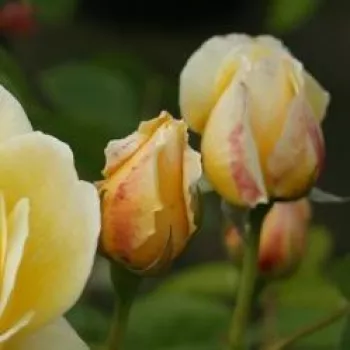
Creamy, soft sunlit yellow with deeper golden centre; buds bright yellow with green veil, fading gradually to pale cream-yellow, with colour richer in cool weather and lightening in strong sun. |
| Fragrance and aroma |
Medium-strength, clearly noticeable tea-scented fragrance with classic rose character, designed primarily for ornamental enjoyment rather than perfumery or strong sensory impact indoors. |
| Hip characteristics |
Very full flowers mean hips are sparse; occasional small ellipsoidal hips 7–12 mm across, orange-red, adding minor late-season interest without significant wildlife or decorative value. |
| Resistance and winter hardiness |
Fully hardy to approximately –29 to –32 °C (RHS H7, Swedish Zone 5, USDA 4b); disease resistance modest, notably prone to powdery mildew, so regular preventive care is recommended. |
| Horticultural recommendations |
Suited to beds, parks, specimen and cutting; prefers well-drained soil and consistent moisture in heat, with square or hexagonal planting at 2.4–2.7 plants/m² depending on design intent. |
CHARLOTTE – yellow English rose - Austin offers compact structure, romantic repeat flowering and a comforting lifespan from its own-root form; a thoughtful choice if you favour enduring charm over fleeting novelty.