LA VILLE DE BRUXELLES – pink historic Damask rose - Vibert
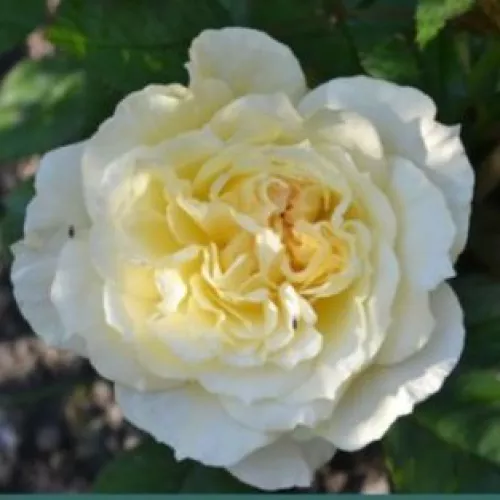
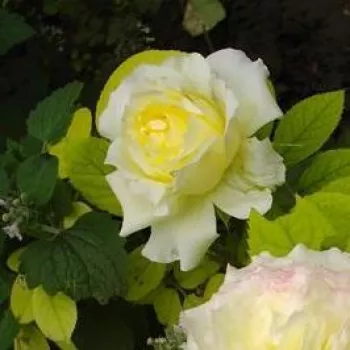
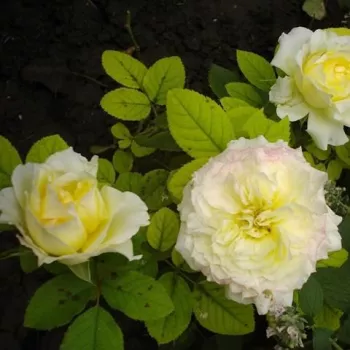
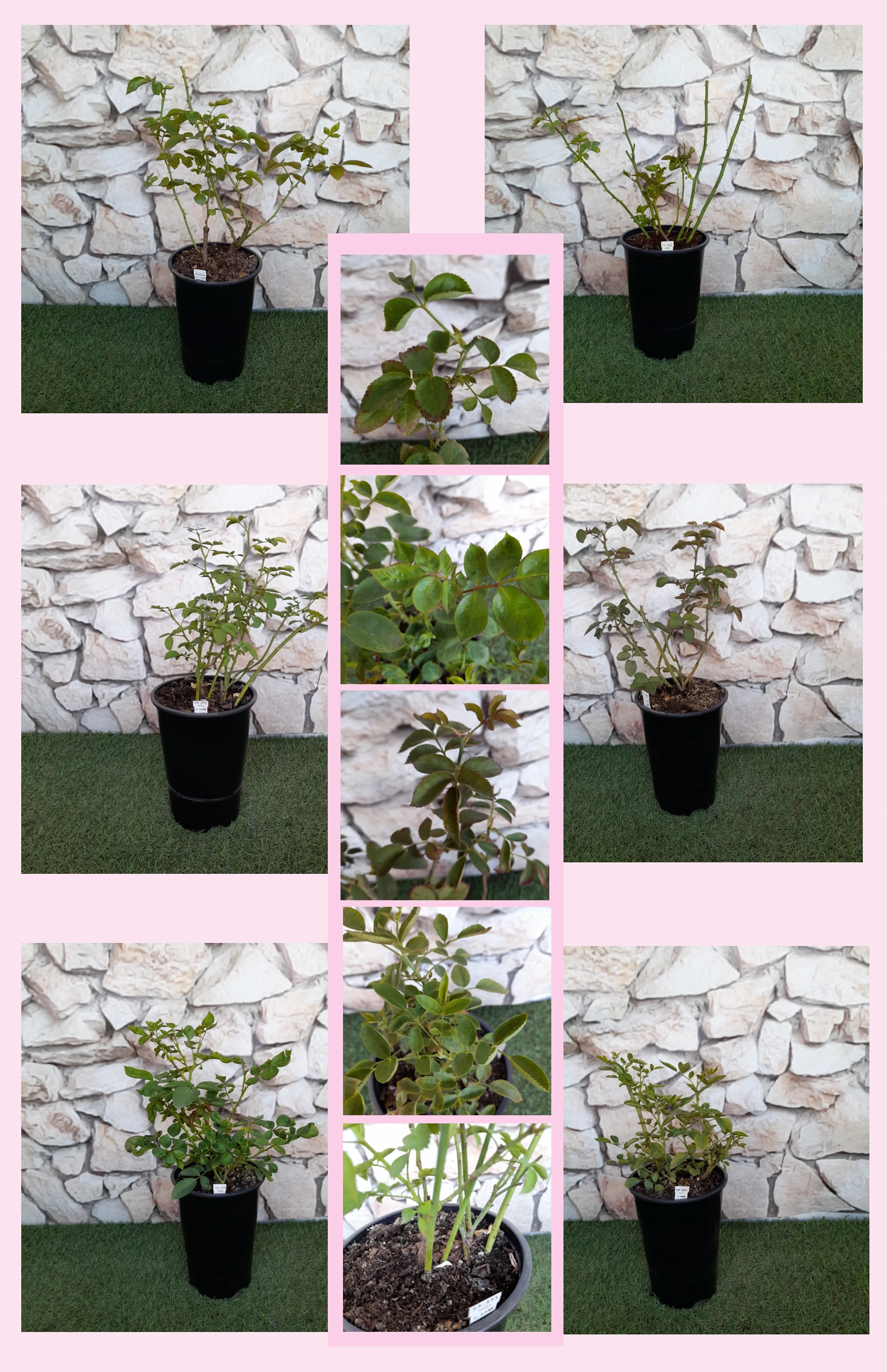
For a truly romantic cottage corner, LA VILLE DE BRUXELLES brings fully double, fragrant mid-pink blooms in generous clusters, creating a soft-focus backdrop for afternoon tea. This historic Damask shrub forms a naturally graceful, upright bush with dense, light green foliage, settling in reliably even where breezes and showers often sweep in from the coast, and coping well once established with drought and summer warmth. As an own-root rose it offers reassuringly long-term stability, capable of regenerating from its base and keeping its ornamental value year after year with only medium maintenance. In a 2-litre pharmaROSA® ORIGINAL pot it arrives pre-rooted for easy planting throughout the season, beginning with strong root-building, then sturdier shoots, then full garden impact over the first three years. Ideal for hedges, borders or a single centrepiece beside a path or kitchen-garden gate, where its once-a-year flowering becomes a much-anticipated highlight of early summer.
Usage options
| Target area | Reasoning |
|---|
| Feature shrub near seating or arbour |
The once-a-year flush of very double, mid-pink flowers with a classic, intense Damask scent makes this rose perfect where you sit and linger, such as beside a bench, arbour or patio. Its height frames eye level, turning early summer into a fragrant event for romantic homeowners |
| Traditional cottage-style mixed border |
The upright, 120–180 cm habit and dense, slightly glossy foliage provide a reliable vertical accent behind perennials and herbs. Good self-cleaning means most spent blooms fall away, so borders keep their charm without constant deadheading for busy gardeners |
| Informal flowering hedge along boundaries |
Planted at about 100 cm intervals, the branching, moderately thorny framework knits into an attractive, softly defensive hedge. Own-root growth helps it recover from harder pruning or accidental damage, remaining a dependable green and flowering line for family gardens |
| Specimen rose in lawn or courtyard |
Used singly at wider spacing, the heritage character and Award of Garden Merit status create a focal point that feels established from day one. Over time the plant develops a well-balanced outline, suiting front lawns and small courtyards for heritage lovers |
| Large container on terrace or by the front door |
With a minimum 40–50 litre container and regular watering, its upright form and one concentrated flush give a stunning seasonal show in limited spaces. Own-root resilience means long service life in pots when repotted and refreshed occasionally for urban owners |
| Flower bed with simple maintenance routine |
Medium maintenance needs and moderate disease resistance suit ordinary beds where you prefer straightforward seasonal care rather than constant attention. Good heat and moderate drought tolerance further reduce worry, provided watering is given in longer dry spells for casual gardeners |
| Partially shaded cottage or town garden |
This rose tolerates partial shade, so it performs where fences, sheds or neighbouring houses give only a few hours of sun. Place it where morning or late-afternoon light reaches the plant to enjoy colour and scent even in tighter plots for small-garden owners |
| Structured planting plan in challenging weather sites |
Its robust shrub framework and good winter hardiness make it a steady choice for exposed family gardens, including sites that regularly feel wind-driven rain sweeping across them. Over years, the own-root base forms a solid anchor, supporting consistent shape for practical planners |
Styling ideas
- Cottage-Border Focus – Set one or three shrubs behind clumps of lamb’s-ear and soft pink perennials to echo its mid-pink bloom, perfect for those building a cosy, traditional cottage border – ideal for romantic homeowners
- Kitchen-Garden Gateway – Plant as paired sentinels by a gate or garden arch, underplanted with herbs, to link ornamental roses with productive beds – ideal for cottage-plot gardeners
- Heritage Hedge – Create an informal flowering hedge, weaving in simple green shrubs to extend structure after flowering fades, for those wanting a living storybook boundary – ideal for family buyers
- Courtyard Centrepiece – Use one plant in a spacious pot, surrounded by terracotta herbs, where fragrance and historic character can be appreciated up close – ideal for busy urban owners
- Soft-Pink Tapestry – Combine with low silver foliage and magenta highlights to contrast its mid-pink clusters, giving a layered, feminine palette – ideal for lovers of “girly” cottage style
Technical cultivar profile
| Property | Data |
|---|
| Name and registration |
La Ville de Bruxelles, historic Damask shrub rose; heritage collection cultivar, unregistered; ARS exhibition name La Ville de Bruxelles; commercial use as a traditional historical rose. |
| Origin and breeding |
Bred by Jean-Pierre Vibert in France around 1837, introduced 1849; parentage unknown. A classic Damask type representing early nineteenth-century breeding, maintained today for garden and collection use. |
| Awards and recognition |
Holds the Royal Horticultural Society Award of Garden Merit, indicating reliable performance, ornamental value and sound garden behaviour under typical UK conditions with standard care. |
| Growth and structural characteristics |
Upright shrub 120–180 cm high, 100–160 cm spread, dense light green foliage with slight gloss, moderately thorny shoots and good self-cleaning habit as most spent flowers fall naturally. |
| Flower morphology |
Medium-sized, very double, cup-shaped blooms with more than forty petals, produced in clusters on the stems; non-remontant and flowering once, delivering a concentrated display in early summer. |
| Colour data and phenology |
Clear mid-pink flowers, slightly paler at petal edges, RHS 65B–65C; colour lightens as blooms age and in strong sun, eventually fading towards pale pink with a slight silvery suggestion. |
| Fragrance and aroma |
Classic rose fragrance of Damask character, very strong and garden-filling at peak flowering. Primarily ornamental, with double blooms that largely hide stamens and offer limited pollinator access. |
| Hip characteristics |
Hip production generally sparse due to very double flowers; where formed, hips are small ellipsoidal orange-red fruits about 10–16 mm in diameter, adding occasional late-season interest. |
| Resistance and winter hardiness |
Hardy to approximately -34 to -32 °C (RHS H7, USDA 4a, Swedish zone 5). Heat and moderate drought tolerance good; disease resistance moderate, suggesting occasional protection in humid seasons. |
| Horticultural recommendations |
Suited to beds, borders, hedging, specimens, large containers; spacing 100–165 cm depending on use. Prefers well-drained soil, tolerates partial shade; medium maintenance with periodic pruning and care. |
LA VILLE DE BRUXELLES offers intensely fragrant, once-a-year mid-pink blooms on a long-lived, own-root shrub with Award of Garden Merit reliability, making it a thoughtful choice for quietly romantic, low-fuss family gardens.