CHANDON ROSIER – red hybrid tea rose - Delbard
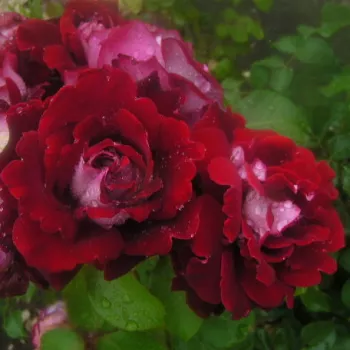
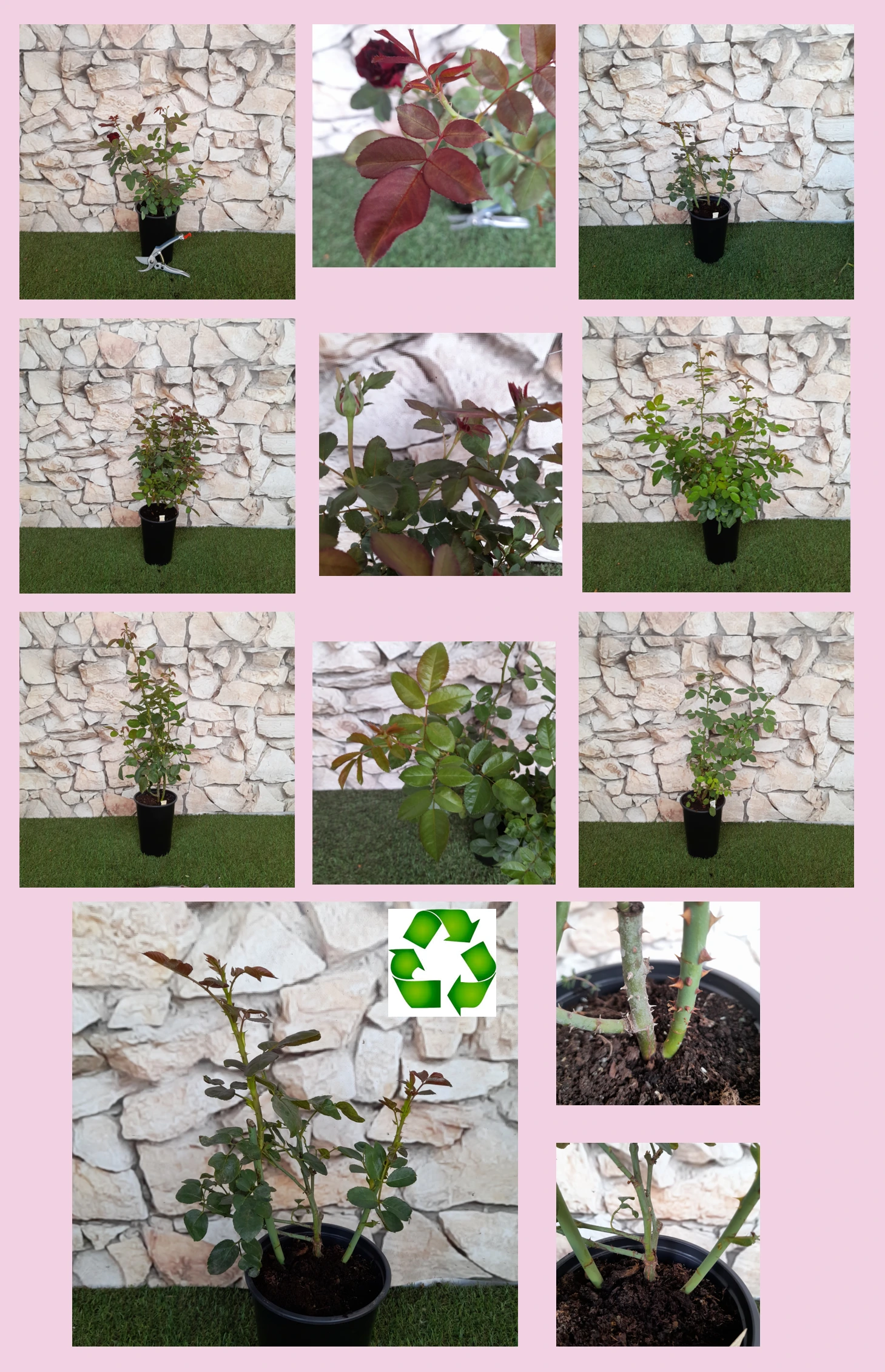
Invite a feeling of fireside cosiness into your garden with CHANDON ROSIER, a classic red hybrid tea that slips easily into a cottage-style border yet looks equally at home by a smart terrace or front path. Its upright, elegant habit and dark, glossy foliage frame the velvety blooms, which carry a clearly noticeable, spicy-fruity fragrance ideal for cutting for the table. As an own-root plant it offers reassuring longevity, quietly rebuilding from the base if stems are damaged and holding its ornamental value year after year with minimal intervention. Once settled, it flowers in generous flushes through summer, bringing reliable impact even where gardens are exposed to frequent rain and winds from more open aspects. With moderate care needs and simple pruning options, it suits busy gardeners who still want a romantic, storybook arbour feel from a manageable-sized rosebush.
Usage options
| Target area | Reasoning |
|---|
| Main feature in a small front garden bed |
The upright hybrid tea form and dense, dark foliage create a neat, vertical accent that reads clearly from the pavement without overwhelming a modest plot, making the space feel finished and intentional for beginners. |
| Romantic cutting patch near a seating area |
Long, straight stems with high-centred buds and medium-sized double blooms give reliable vase material, while the spicy, fruity scent is strong enough to notice without being overpowering for homeowners. |
| Paired rose planting to frame a path or bench |
Stable own-root growth and a medium, repeat-flowering habit make it easy to mirror on both sides of a path or bench, maintaining a balanced look over many years with only routine care for family gardeners. |
| Mixed cottage border with herbs and perennials |
The rich red flowers and glossy foliage contrast beautifully with soft greens and pastel cottage plants, and moderate maintenance needs suit low-fuss borders that must still look charming all summer for busy owners. |
| Specimen rose in a large container on the patio |
Its upright habit and defined shape suit a single-rose display in a 40–50 litre pot, allowing easy watering and feeding while keeping the dramatic colour and scent close to daily life for urban balcony users. |
| Traditional rose bed with repeated single-variety planting |
Consistent flower form and colour, plus remontant performance with a good second flush, make it ideal for classic rose beds where a uniform, formal look is wanted without complex pruning schemes for casual rose keepers. |
| Kitchen garden edge or productive plot accent |
This rose brings ornamental structure and fragrant stems right beside vegetable beds, its steady, own-root framework coping well with regular picking and seasonal tasks around it, suiting practically minded growers. |
| Sheltered coastal or windy suburban garden corner |
Once established, its firm framework and dense foliage help it stand up to blustery, rain-lashed days common in exposed suburbs, while own-root resilience supports recovery after weather damage for pragmatic buyers. |
Styling ideas
- Cottage-hedge – Plant a loose row along a path, underplant with blue sedge and catmint for a soft, storybook edge – ideal for traditional front gardens.
- Patio-centrepiece – Grow one plant in a 50 litre terracotta pot with trailing thyme around the rim to enjoy scent and colour close to outdoor seating – perfect for busy urban households.
- Kitchen-border – Combine with herbs, lettuces and calendula at a veg-bed corner to add romance and cut flowers without stealing space – suited to practical kitchen gardeners.
- Evening-nook – Place two plants by a bench or arbour, with soft grasses and dusky pink perennials, so the fragrance and colour frame your evening tea spot – for lovers of quiet retreats.
- Classic-bed – Mass-plant in a rectangular bed, edged with low box or lavender, to create a formal yet manageable rose feature – good for homeowners wanting a stately look.
Technical cultivar profile
| Parameter | Data |
|---|
| Name and registration |
Hybrid tea rose, registered as DELatur; marketed as Chandon Rosier within the Grands Coloris collection, also shown under Alleluia® on the exhibition circuit. |
| Origin and breeding |
Bred by Georges Delbard, France, from complex hybrid tea parentage involving Impeccable, Papa Meilland, Gloire de Rome and Corrida; introduced commercially in 1982. |
| Awards and recognition |
Recognised with a Certificat de Mérite at Bagatelle, Paris (1980), and later major show titles including King of Show at the Kansas City Rose Society Show in 2001. |
| Growth and structural characteristics |
Upright bush reaching around 100–140 cm tall and 50–70 cm wide, with dense, dark green, glossy foliage and moderate prickles forming a tidy, structural garden shrub. |
| Flower morphology |
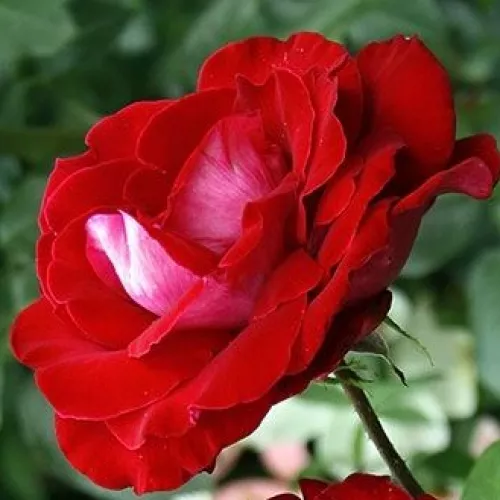
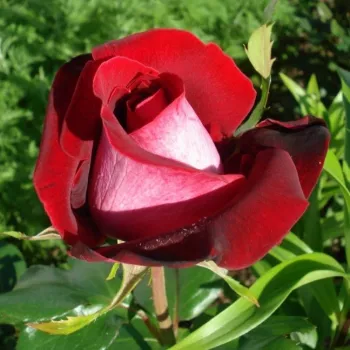
Medium-sized, double, high-centred blooms with 26–39 petals; classic pointed buds on mainly solitary stems, repeating through the season with an abundant second flush. |
| Colour data and phenology |
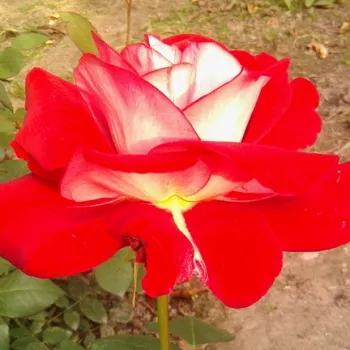
Deep, velvety ruby-red petals with silvery-pink reverses; colour lightens slightly in strong sun to warm burgundy yet retains contrast, based on ARS RB and RHS 53A/155C codes. |
| Fragrance and aroma |
Medium-strength, clearly perceptible scent with a spicy, fruity character; primarily ornamental yet offering enough perfume to enjoy both at close quarters and in indoor arrangements. |
| Hip characteristics |
Produces few hips due to double flowers; where formed, hips are small, spherical, orange-red, around 10–14 mm across, adding a light seasonal accent rather than a heavy display. |
| Resistance and winter hardiness |
Rated RHS H6 and USDA zone 7b, with moderate disease resistance to powdery mildew, black spot and rust; benefits from regular watering and hygiene in warm, dry spells. |
| Horticultural recommendations |
Best in full sun with well-drained soil; suitable for beds, low hedging, containers and specimen use at 40–80 cm spacing, with occasional deadheading and seasonal pest control. |
CHANDON ROSIER combines elegant upright form, vivid deep-red blooms and a clear spicy-fruity fragrance with the dependable, regenerating nature of an own-root rose, making it a thoughtful choice for long-lived, romantic planting schemes.