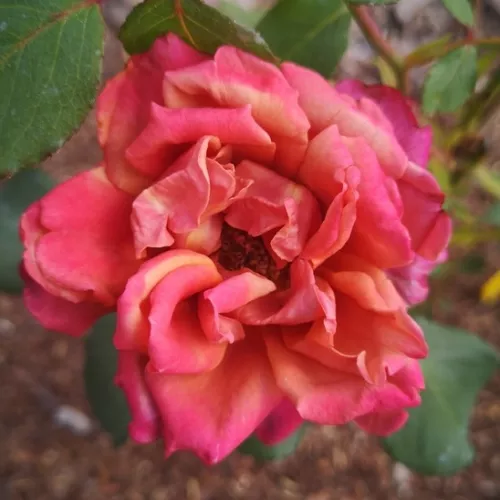
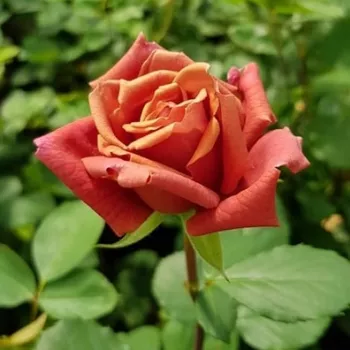
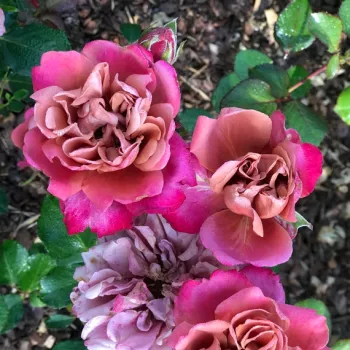
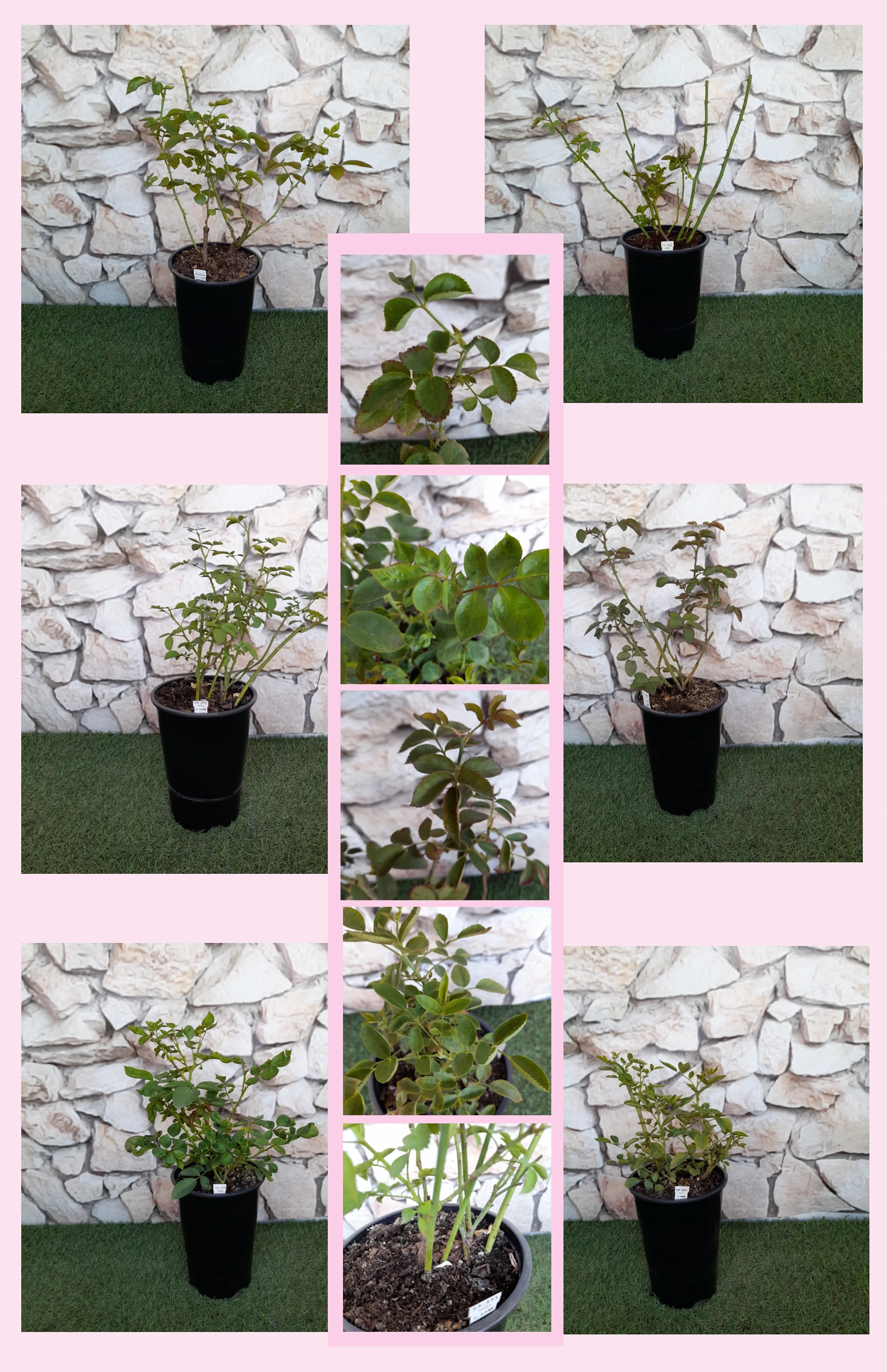
CHA-CHA – mauve-brown hybrid tea rose – Teranishi
With its smoky mauve-brown tones and discreet perfume, CHA-CHA brings a quietly luxurious romantic note to small and medium family gardens, lending itself beautifully to cottage-style borders and relaxed afternoon tea corners. Growing on its own roots, this premium plant builds a long-lived, dependable framework that regenerates well after pruning or winter setbacks, so you can enjoy repeat flushes without fussy maintenance. Its upright, medium-tall habit is ideal for narrow beds, mixed borders and feature planting by a seating area, while the flower colour pairs effortlessly with soft grasses and pastel perennials for an English countryside feel. In heavier soils it is happiest where drainage has been gently improved, giving steady anchorage even when exposed to stronger coastal breezes. Over time the shrub fills out, offering a graceful structure that fits comfortably into the family garden scene and rewards simple, once- or twice-yearly pruning. As the seasons pass, its remontant flowering and subtle fragrance help create a cosy, storybook atmosphere that feels natural rather than formal, well suited to homeowners who want character and charm with minimal effort.
Usage options
| Target area | Reasoning |
|---|
| Cottage-style mixed border near a seating area |
CHA-CHA’s smoky mauve-brown blooms and discreet scent suit an intimate, cottage-style border by a bench or patio, where you can appreciate the colour shifts at close range and enjoy low-key, repeat flowering with only light seasonal care – ideal for the romantic cottage gardener |
| Feature rose in a small family front garden |
The upright, medium-tall habit makes a single plant or small group an elegant focal point by the front path or gate, without swamping a modest space or demanding complex pruning, so it fits busy households who simply want a graceful, welcoming look – perfect for the time-pressed homeowner |
| Informal rose and grass border with soft movement |
Clustered flowers sit well with fine-textured grasses such as Stipa and Panicum, echoing their movement while the muted bloom colours blend rather than clash, creating a gentle, naturalistic ribbon of planting that still feels romantic and easy to live with – suited to the relaxed design lover |
| Own-root long-term structure in established beds |
As an own-root rose, CHA-CHA builds a durable framework with good capacity to regenerate from the base, maintaining shape and flower quality year after year without the worry of a grafted union, which reassures those planning for long-lived, stable borders – reassuring for the long-term planner |
| Small group for repeat-flowering colour through summer |
Planting a trio at the recommended spacing gives a loose, upright mass that flowers, rests and then flowers again, providing colour waves through the season with only moderate plant protection, a simple feed and a winter tidy, suiting gardens where reliable effect matters – ideal for the busy family gardener |
| Raised bed or improved heavy-clay planting strip |
CHA-CHA responds well where drainage has been modestly improved or in low raised beds, gaining secure anchorage and healthy roots even in heavier UK soils that hold winter moisture and see strong winds, making it a practical choice when conditions are less than perfect – helpful for the challenging-soil owner |
| Large container on patio or balcony (40–50 litres+) |
In a substantial pot of at least 40–50 litres, this upright hybrid tea brings refined colour and light fragrance close to the house, with straightforward watering and feeding as the main tasks, allowing those without borders to experience its character at eye level – ideal for the urban balcony gardener |
| Developing a maturing rose display over several seasons |
CHA-CHA settles in as roots establish in the first year, pushes stronger top growth and more buds in the second, and by the third season delivers its full ornamental presence with a stable shape and flower show that fits family life rather than demanding it – a good fit for the patient beginner |
Styling ideas
- Cottage-Romance – combine CHA-CHA with pale pink roses and soft yarrow in a loose border by a bench to amplify its romantic colouring and gentle scent – for lovers of storybook English gardens
- Grassy-Haze – plant in front of Stipa tenuissima and Panicum ‘Sangria’ so muted blooms float above a veil of moving grasses – for those who like naturalistic, low-fuss planting
- Front-Door – use one or three plants by the path with lavender or low box, giving an elegant welcome that needs only simple pruning and seasonal feeding – for households wanting classic structure with little work
- Patio-Focus – grow in a 40–50 litre terracotta pot with trailing thyme and dwarf grasses for a portable focal point that brings colour and fragrance to the seating area – for balcony and courtyard owners
- Kitchen-Plot – edge a kitchen garden bed with CHA-CHA and airy herbs, letting its repeat flowers soften vegetable rows while staying easy to manage – for home growers who like beauty with practicality
Technical cultivar profile
| Parameter | Data |
|---|
| Name and registration |
CHA-CHA – mauve-brown hybrid tea rose – Teranishi; hybrid tea rose group, commercial hybrid tea type; introduced 2008; registered cultivar name not specified; exhibition category includes cut flower use. |
| Origin and breeding |
Bred in Japan by Kikuo Teranishi around 2008; parentage and breeding institution are unknown; introduced to the market in 2008, with registration year data not available from current sources. |
| Growth and structural characteristics |
Upright shrub reaching around 120–160 cm in height with a 70–100 cm spread; moderately dense mid-green foliage, moderately thorny shoots; growth suited to borders, hedging runs and solitary planting. |
| Flower morphology |
Hybrid tea style, double flowers with approximately 26–30 petals; medium-sized, cup-shaped blooms typically carried in clusters; remontant with an abundant second flush, providing extended seasonal interest. |
| Colour data and phenology |
Smoky greyish-mauve and coffee-brown tones, ARS r; RHS 187A outer, 15B inner; colours lighten to sandy beige-grey mauve and ochre-yellow-beige toward fading, giving subtle, ever-changing tonal effects. |
| Fragrance and aroma |
Fragrance of mild strength with a delicate, elegant character; scented enough to notice at close range around seating areas without dominating, complementing the refined, understated flower colour palette. |
| Hip characteristics |
Rose hips form sparsely, typically small ovoid fruits about 8–12 mm in diameter; hips are orange-red, close to RHS 40A, and generally of minor ornamental significance compared with the distinctive blooms. |
| Resistance and winter hardiness |
Hardy to approximately −21 to −18 °C, RHS H7; Swedish zone 3, USDA zone 6b; disease resistance moderate, with powdery mildew, black spot and rust all at moderate susceptibility, needing periodic protection. |
| Horticultural recommendations |
Recommended spacing about 55 cm for mass plantings, 50 cm for hedging and 90 cm for solitary plants; planting densities around 3.3–3.8 plants/m²; maintenance medium, requiring occasional plant protection and standard care. |
CHA-CHA – mauve-brown hybrid tea rose – Teranishi offers romantic, repeat flowering, an elegant upright habit and long-term stability from its own-root form, making it a thoughtful choice for those shaping a lasting, characterful garden.