CENTENAIRE DE LOURDES™ – pink floribunda bedding rose
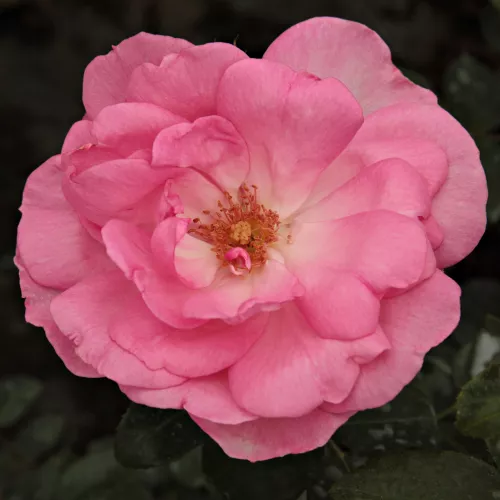
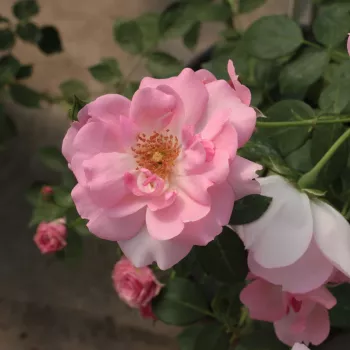
Planted as a compact shrub in a family garden, CENTENAIRE DE LOURDES™ quickly gives a storybook sense of romance, with clusters of soft mid‑pink, semi‑double blooms that sit beautifully against dense green foliage. This floribunda’s reliable flowering repeats from early summer onwards, so borders and paths feel quietly charming without demanding complicated pruning or fuss. Own‑root production means the plant stays naturally stable and long‑lived, regenerating well from the base and retaining its ornamental value year after year. In typical British conditions it copes well where breezes bring frequent showers and occasional gales, especially when the soil is improved for drainage. With moderate disease resistance, it is straightforward to manage in a busy household, leaving you to enjoy afternoon tea beneath an arching arbour while its muted pink tones echo a classic cottage‑garden palette.
Usage options
| Target area |
Reasoning |
| Front to mid cottage border in a small family garden |
The bushy, 100–140 cm habit and dense foliage give soft structure without overwhelming a modest plot, while the muted mid‑pink clusters weave easily among perennials for a romantic, storybook cottage effect – ideal for the busy urban garden owner. |
| Low, traditional flowering hedge along a path or boundary |
Consistent floribunda flowering and moderate disease resistance make this cultivar dependable for informal hedging; planted at about 55 cm, it knits into a continuous, blossom‑filled line that still feels airy and inviting – well suited to the lover of romantic cottage style. |
| Mixed rose bed with classic shrub and heritage roses |
Its soft salmon‑tinted pink blends effortlessly with cream, white and deeper rose tones, helping to “join” different varieties into one harmonious picture, so the whole bed reads as one calm, traditional composition – perfect for the homeowner seeking a traditional look. |
| Own-root feature group near terrace or seating area |
Planted in small groups, the long‑lived own‑root plants build a permanent framework of stems that can be refreshed by simple pruning, giving reliable flowering around seating areas without the worry of graft failure over time – appreciated by the beginner gardener. |
| Raised bed or improved border on heavier soils |
In UK gardens with heavier, wetter ground, a raised or well‑drained border helps this rose root strongly, so it stays upright and floriferous even where breezes bring regular rain off the coast, reducing staking and aftercare – reassuring for the practical family buyer. |
| Large container planting near kitchen door or patio |
In a 40–50 litre container with good compost, its compact height, moderate thorniness and repeat flowering make it easy to enjoy up close, while own‑root vigour helps it recover well after renewal pruning in later years – convenient for the busy urban garden owner. |
| Pollinator‑friendly corner in a kitchen or cutting garden |
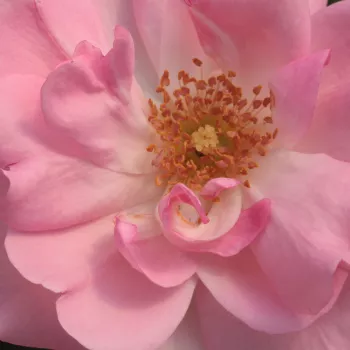
Semi‑double, cup‑shaped blooms with exposed stamens are accessible to insects, bringing gentle movement among vegetables and herbs; light fragrance and readily cut stems provide simple indoor bunches without specialist techniques – attractive for the hobby gardener. |
| Long-term family planting with gradual ornamental build-up |
Once planted, roots establish in the first season, the framework of shoots strengthens in the second, and by the third year the shrub reaches its full, repeat‑flowering ornamental effect, giving lasting value with minimal intervention – ideal for the time‑pressed garden owner. |
Styling ideas
- Cottage-Romantic Border – Combine with lavender, catmint and foxgloves so the soft mid‑pink clusters sit among mauves and blues, creating a gentle, storybook edge to lawns – for lovers of dreamy English cottage gardens.
- Pastel-Hedging Ribbon – Plant a loose line along a path and underplant with soft pink geraniums and low alchemilla to echo the rose’s pastel tones, giving a light, flowery guide to the front door – for families who enjoy informal structure.
- Patio-Tea Corner – In a 40–50 litre pot, flank a bistro set with two shrubs and add scented herbs like thyme and oregano at the base, creating an easy‑care afternoon tea nook – for urban owners short on border space.
- Kitchen-Garden Frame – Use small groups at the ends of vegetable beds with alliums and Russian sage, so soft pink blooms frame productive rows while drawing pollinators through – for those mixing beauty with home‑grown produce.
- Heritage-Rose Mix – Set alongside white and crimson shrub roses and a variegated dogwood, letting its mid‑height, floribunda habit knit old and new varieties into one calm palette – for enthusiasts of classic, long‑lived plantings.
Technical cultivar profile
| Property |
Data |
| Name and registration |
Floribunda bed rose; registered as DELge, marketed as Centenaire de Lourdes™ / Les Centenaires de Lourdes®; exhibition classification floribunda bush rose. |
| Origin and breeding |
Bred by André Delbard‑Chabert in France from ‘Frau Karl Druschki’ × unknown seedling; introduced by Delbard in 1958 as part of the Les Centenaires de Lourdes® collection. |
| Awards and recognition |
Included in the World Rose Congress “World’s Ten Best Roses” list in 1994, underlining its long‑term garden performance and enduring international reputation. |
| Growth and structural characteristics |
Bushy, upright shrub typically 100–140 cm tall and 75–105 cm wide, with dense, slightly glossy green foliage (RHS 137A) and moderate prickliness on the stems. |
| Flower morphology |
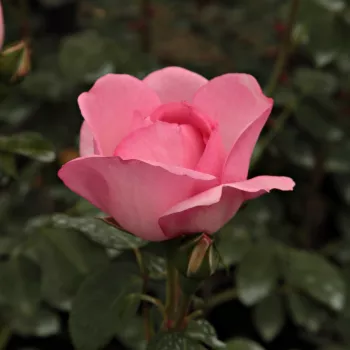
Cluster‑flowering floribunda with large, semi‑double, cup‑shaped blooms (approx. 7–10 cm), carrying around 13–25 petals and remontant, with a notably generous second flush. |
| Colour data and phenology |
Muted mid‑pink with a slight salmon undertone; ARS code MP, RHS 65C outer and 65B inner; colour gradually lightens to pale pink and soft cream highlights as flowers age. |
| Fragrance and aroma |
Soft, mild fragrance with a discreet classic rose character; not overpowering near seating areas, but offering a light, pleasant scent on warm, still days in the garden. |
| Hip characteristics |
Forms moderate numbers of small, spherical red hips, about 8–12 mm in diameter, adding a subtle ornamental highlight and wildlife interest in late summer and autumn. |
| Resistance and winter hardiness |
Winter hardy to about −26 to −23 °C (RHS H7; USDA 5b); black spot generally resistant, with moderate susceptibility to powdery mildew and rust under higher disease pressure. |
| Horticultural recommendations |
Best in a sunny position with fertile, well‑drained soil; spacing 55–100 cm depending on use, with standard feeding and occasional protection in high‑pressure disease seasons. |
CENTENAIRE DE LOURDES™ rewards you with dependable repeat flowering, long-lived own-root sturdiness and a soft, romantic colour palette; an excellent choice if you would like a quietly graceful, enduring rose.