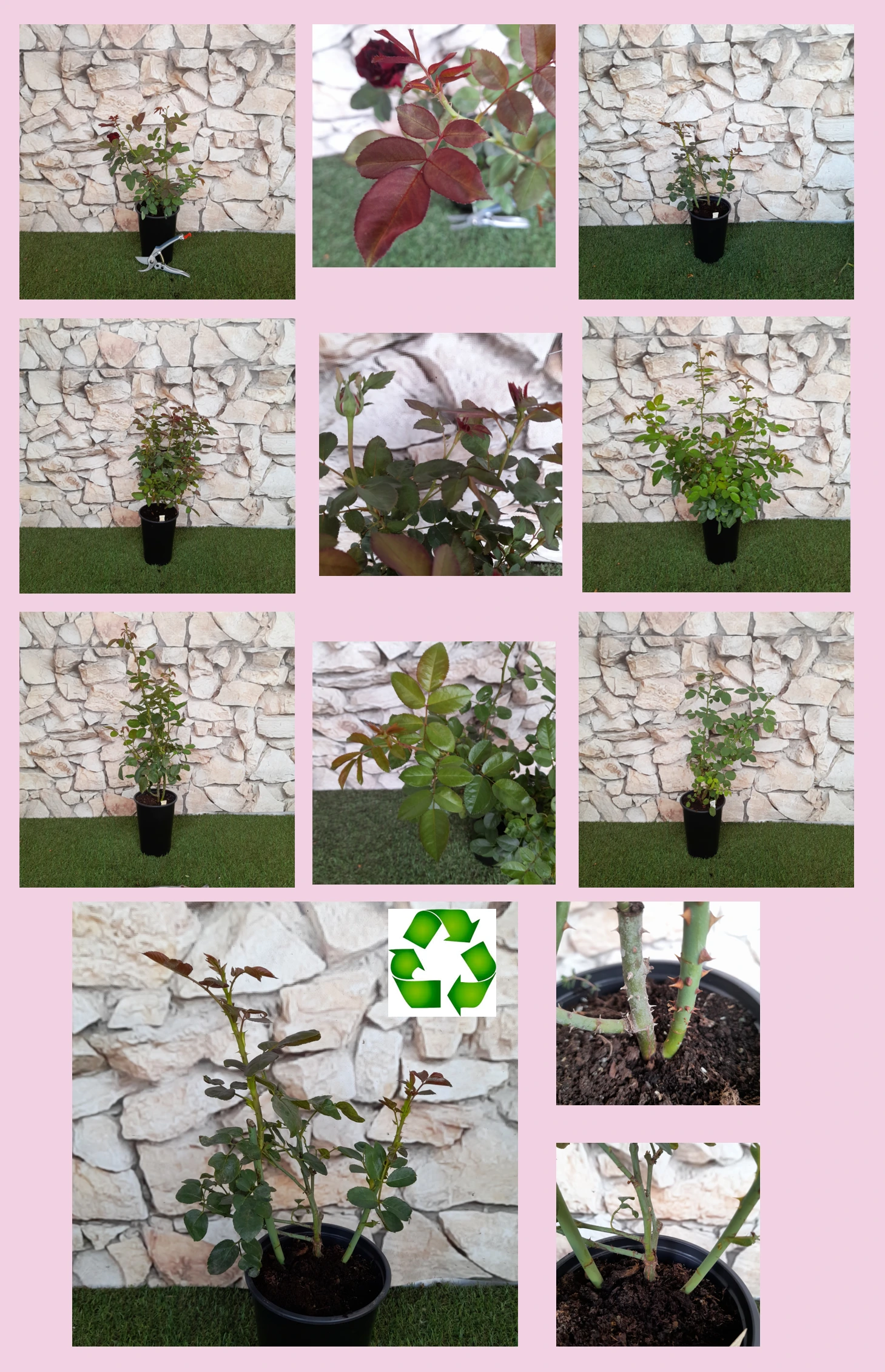
INDIAN SUMMER – orange-peach hybrid tea rose - Pearce
Bring a touch of storybook romance to a family garden with INDIAN SUMMER, a compact hybrid tea whose glowing orange‑peach blooms gradually soften to creamy pastels, echoing the warm, lingering light of its name. This own‑root rose is bred for resilience and a long, dependable life, quietly rebuilding from its own wood after harsher winters and settling securely even where soils are heavy and drainage needs a little extra care in raised beds. Its neat, bushy habit makes everyday maintenance straightforward, while repeat flowering from summer well into autumn keeps beds and paths richly coloured without complicated pruning schedules. Each pointed bud opens into a classic high‑centred bloom, ideal both for garden display and cutting for the vase, filling patios and sitting areas with a strong, sweet, fruity fragrance that suits the mood of afternoon tea under an arbour. Over the first few years it knits itself into the border—building roots, then generous shoots, then full ornamental value—rewarding patient gardeners who want reliable beauty from a premium, yet easy‑going, hybrid tea rose.
Usage options
| Target area | Reasoning |
|---|
| Small to medium front gardens |
The compact, bushy habit and 65–90 cm height suit modest plots, giving a tidy, upright structure that never feels overbearing by a front path or beneath a bay window. Ideal for those wanting hybrid tea elegance without the fuss of training large shrubs, it sits comfortably among low perennials and small evergreens for a classic cottage frontage, suiting the needs of the busy homeowner. |
| Mixed cottage borders |
Dense, dark green foliage and a bushy, compact framework make this variety easy to weave into cottage‑style mixed borders, where it provides vertical accents between looser herbaceous planting. Its balanced garden performance means it holds its own among perennials while remaining manageable at pruning time, appealing to the relaxed but quality‑conscious hobby‑gardener. |
| Cutting patch near the kitchen garden |
The high‑centred, pointed flowers and long, straight stems are ideal for cutting, while remontant flowering provides a steady supply of blooms across the season for indoor arrangements. Strong, sweet, fruity scent enhances the experience of bringing garden stems indoors, making this rose especially attractive to those who like to link kitchen garden practicality with ornamental charm, particularly the enthusiastic flower‑lover. |
| Sunny patio in large containers |
In a 40–50 litre container, the compact growth and dense foliage translate into a well‑proportioned feature for patios and terraces, particularly where border space is limited. Regular watering and simple seasonal feeding are usually enough to maintain steady flowering, so it fits well into urban settings with limited soil and time, perfectly matching the lifestyle of the busy city‑gardener. |
| Family seating and play areas |
The repeated flushes of warm peach‑orange flowers, coupled with strong fragrance, create a cosy, inviting backdrop for family terraces and play spaces, without demanding complex care. Moderate prickliness is typical of hybrid teas but manageable at this size, and the rose’s structured habit keeps it visually tidy around seating, reassuring the practical parent. |
| Roses in challenging, wetter garden spots |
Where gardens face cool winds and heavier, moisture‑holding soils, this own‑root plant anchors well and builds a stable framework once drainage is sensibly managed, combining moderate disease resistance with a reliable habit. Its steady structure and foliage quality support long‑term use in real‑world British conditions, reassuring the cautious planner. |
| Long-term backbone planting in traditional schemes |
As an own‑root premium gold‑rated cultivar with RHS Award of Garden Merit, this rose is selected for dependable, long‑term garden value, gradually building into a mature, well‑furnished shrub that can remain in place for many years. The capacity to regenerate from its own roots after harsh winters or pruning errors gives extra security to the long‑range investor. |
| Low-input, time-efficient rose areas |
Moderate maintenance needs and resistance to key problems such as powdery mildew and black spot reduce routine intervention in typical family gardens, while its remontant flowering means you are rewarded with display rather than constant chores. Simple annual pruning and basic feeding keep it performing for those who value beauty but have limited hours, perfectly suiting the time‑pressed beginner. |
Styling ideas
- Kitchen-table posies – Grow several plants in a cutting row beside herbs and vegetables so you can gather fragrant orange‑peach stems for vases – ideal for home cooks who enjoy informal, seasonal bouquets.
- Cottage-front welcome – Plant in a pair flanking a path with lavender and catmint for a soft, traditional entrance – suited to homeowners wanting a romantic, English‑countryside feel without complicated design.
- Patio-centre feature – Place one bush in a 40–50 litre terracotta pot with low thyme or alyssum spilling at the base – perfect for balcony or terrace gardeners seeking a single, standout rose.
- Storybook border – Combine with foxgloves, lady’s mantle and Brunnera for layered texture and gentle colour drift – appealing to lovers of nostalgic, slightly wild cottage gardens.
- Family-quiet corner – Use as a scented focus near a bench, backed by evergreen hedging for shelter and privacy – designed for families wanting a calm nook for reading and afternoon tea.
Technical cultivar profile
| Characteristic | Data |
|---|
| Name and registration |
Hybrid tea rose registered as PEAperfume, marketed as INDIAN SUMMER hybrid tea rose PEAperfume; ARS approved exhibition name Indian Summer for cut flower and show use. |
| Origin and breeding |
Bred in the United Kingdom in 1986 by Colin A. Pearce, The Limes New Roses; registered 1993 with PVR application 1994 and introduced later via Wagner’s Rose Nursery in Australia. |
| Awards and recognition |
Holder of the RHS and RNRS Award of Garden Merit (1994), plus Glasgow Certificate of Merit and Tollcross Fragrance Award (1993) and Bronze Medal at the Gifu Rose Trials in 2002. |
| Growth and structural characteristics |
Compact, bushy bush rose reaching about 65–90 cm in height with 50–70 cm spread; dense, slightly glossy dark green foliage and moderate prickles, forming a well‑filled, balanced plant. |
| Flower morphology |
Large, double hybrid tea blooms with 26–39 petals, high‑centred and pointed buds on mostly solitary stems, remontant with an abundant second flush suitable for garden display and cutting. |
| Colour data and phenology |
Warm peach‑orange base (RHS 24A outer) with creamy inner tones (RHS 12C), bright when opening, fading through cream with peach‑pink tints; colour retention modest under sun as tones soften in age. |
| Fragrance and aroma |
Strong, long‑lasting sweet fruity fragrance typical of classic scented hybrid teas; flowers are chiefly ornamental and, with their fuller form, are less attractive to pollinating insects in most gardens. |
| Hip characteristics |
Hip set is usually low due to double flowers; when present, hips are orange, ovoid, around 10–14 mm across, appearing sporadically and not a significant ornamental feature in most seasons. |
| Resistance and winter hardiness |
RHS hardiness H7, tolerating approximately −21 to −18 °C; resistant to powdery mildew and black spot, with moderate susceptibility to rust, making overall disease resistance moderate in typical conditions. |
| Horticultural recommendations |
Best in sunny positions for beds, containers or urban plantings at 50–90 cm spacing; medium maintenance with basic feeding and occasional pest and disease checks to support regular repeat flowering. |
INDIAN SUMMER offers compact, reliable flowering, strong fragrance and long-term own-root resilience in everyday gardens; a thoughtful choice if you value enduring beauty with manageable care.