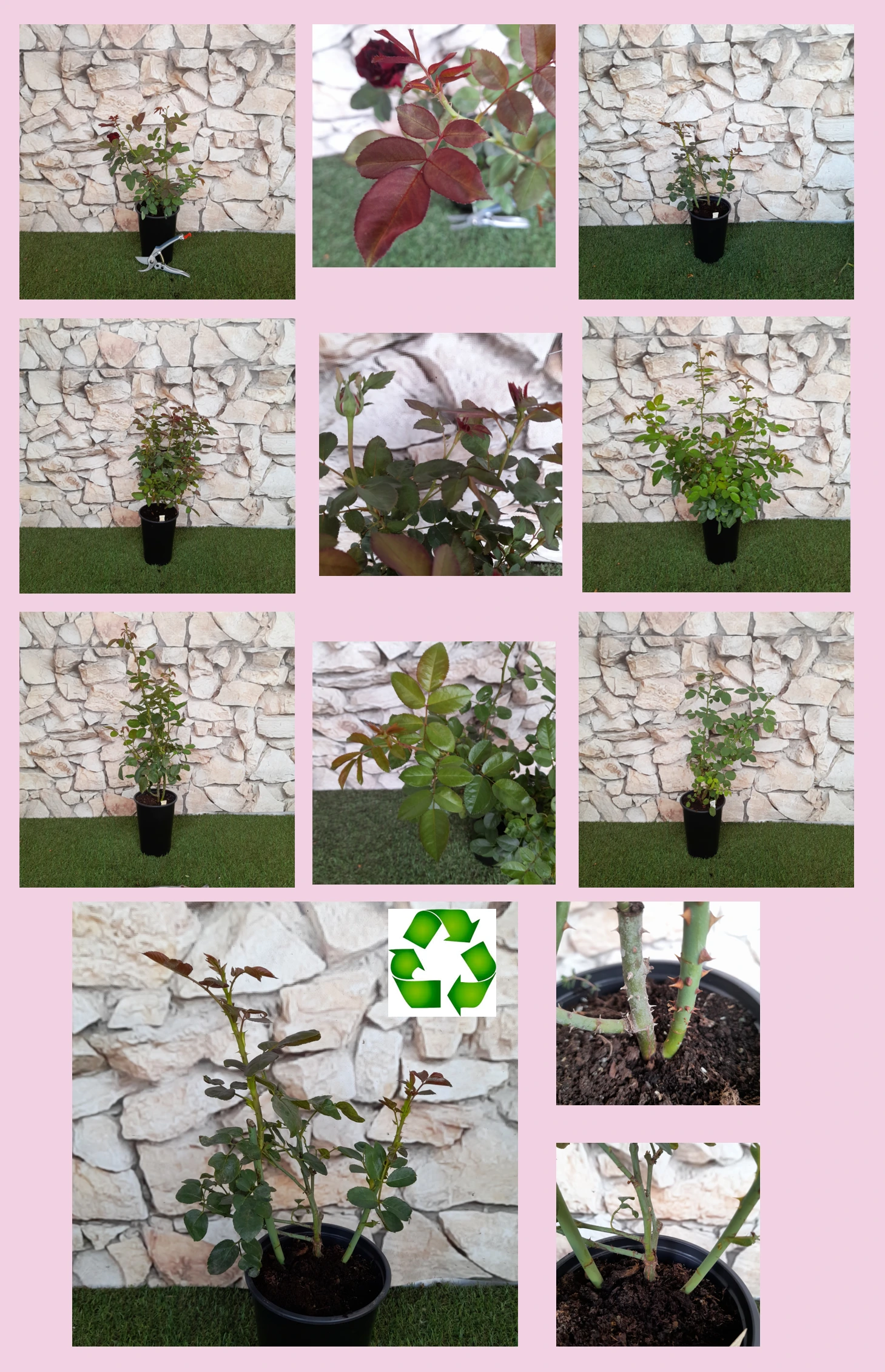
KANEGEM – orange-red Hybrid Tea rose
Under a rose-covered arbour, KANEGEM creates an atmosphere of gentle romance, its warm orange-red blooms glowing against glossy dark foliage and giving your garden cosy, storybook charm. This compact, bushy hybrid tea suits average family plots, coping steadily even in exposed areas where breezy, damp weather can test less robust plants, while its good heat tolerance keeps summer displays looking fresh. Grown as an own-root rose, it offers reassuring long-term stability and reliable regrowth from the base, so you can prune with confidence and enjoy a plant that matures gracefully rather than exhausting itself. KANEGEM’s clustered, high-centred blooms are perfect for effortless cutting for the house, and its manageable height fits neatly into cottage-style borders, kitchen gardens and front-of-terrace beds. Over time it forms a well-anchored shrub whose roots, stems and flowering capacity build progressively, supporting a calm, low-fuss gardening routine and a lasting sense of summer cosiness and evening tea-time pleasure.
Usage options
| Target area |
Reasoning |
| Small family front garden bed |
The compact, bushy habit and 70–100 cm height make KANEGEM easy to place in modest front gardens without overwhelming paths or windows. Dense foliage and repeat flowering give a tidy, colourful frontage with straightforward seasonal care, suiting the busy homeowner. |
| Cottage-style mixed border |
With its warm orange-red clusters and high-centred blooms, this rose adds a romantic cottage note among perennials and herbs. Bushy structure and glossy leaves provide backdrop and volume, while own-root resilience supports long-term border planning, appealing to the traditional-style gardener. |
| Cutting patch beside the kitchen garden |
The long-stemmed hybrid tea form and generous second flush make KANEGEM highly suitable for regular cutting. Blooms hold colour well and are produced in clusters, so even a short row yields vases for the house, delighting the practical, flower-loving grower. |
| Sunny terrace in a large container |
Its moderate size, bushy habit and good heat tolerance allow cultivation in substantial containers of at least 40–50 litres. Own-root vigour supports steady renewal of flowering stems, providing an elegant focal point for the time-pressed urban resident. |
| Low hedge or edging line |
Dense foliage, medium spread and repeat flowering lend themselves to loosely clipped, low hedges along paths or vegetable plots. Own-root planting helps plants knit together and recover from harder pruning, giving a durable, traditional edging for the organised planner. |
| Family seating area or tea corner |
The warm, fire-orange blooms and tidy, bushy framework create an intimate, storybook feel around benches or small arbours. Regular flowering through the season offers a gentle backdrop for everyday relaxation, suiting the comfort-seeking garden user. |
| Exposed, sunny bed in urban gardens |
Good heat tolerance and solid structure make KANEGEM dependable in open, sun-baked beds where reflective hard surfaces can stress plants. With appropriate watering, it keeps its foliage and colour display attractive, reassuring the time-limited city dweller. |
| Planned long-term rose feature |
As an own-root plant, this cultivar forms a durable framework capable of regenerating from the base after pruning or weather damage, supporting a calm development from settling-in to mature display over its first few seasons, which suits the patient, value-conscious buyer. |
Styling ideas
- Kitchen-border ribbon – Plant a loose line of KANEGEM along a vegetable or herb bed, weaving between chives and sage for warm, cottage-style colour by the path – ideal for relaxed family cooks.
- Cosy front vignette – Combine two or three bushes with lavender and evergreen candytuft near the front door for a welcoming glow of orange-red blooms – suited to homeowners wanting instant charm.
- Storybook seating nook – Group KANEGEM behind a small bench with blue globe thistles and ornamental grasses to frame an intimate tea corner – appealing to romantic cottage-garden enthusiasts.
- Container focal point – Grow a single plant in a 50-litre terracotta pot, underplant with low thyme and ally it to a simple obelisk for discreet support – perfect for balcony and patio gardeners.
- Cutting strip – Arrange a short, double row beside the kitchen garden for repeated bunches of high-centred blooms to bring indoors – made for thrifty flower arrangers.
Technical cultivar profile
| Parameter |
Data |
| Name and registration |
Hybrid tea rose marketed as KANEGEM, belonging to the Hybrid tea rose commercial group; American Rose Society approved exhibition name KANEGEM, used also for show floribunda classes. |
| Origin and breeding |
Bred in Belgium in 1977 by Rijksstation voor Sierplantenteelt, from Ludwigshafen am Rhein × Satchmo; introduced commercially by Lens Roses in 1984 for ornamental and cutting use. |
| Growth and structural characteristics |
Bushy, well-branched shrub reaching about 70–100 cm high and 50–75 cm wide, with dense, glossy dark green foliage and moderate prickliness; presents a neat, compact outline in beds. |
| Flower morphology |
Large, very double hybrid tea blooms with over 40 petals, high-centred and pointed in classic cut-rose style; carried in clusters, repeating well with a generous second flush in season. |
| Colour data and phenology |
Warm orange-red blooms, RHS 34B outer, 32A inner; colour remains strong as flowers open, then softens slightly to reddish-orange with coral edges shortly before petal drop, with limited fading. |
| Fragrance and aroma |
Fragrance is very weak and barely perceptible; this cultivar is chosen primarily for colour, form and cutting value rather than scent, fitting spaces where strong perfume is not desired. |
| Hip characteristics |
Hip set is generally poor owing to the very double bloom form; occasional small, spherical red hips, about 8–12 mm, may develop but have limited ornamental impact and are not a key feature. |
| Resistance and winter hardiness |
Hardy to approximately −21 to −18 °C (RHS H7), USDA Zone 6b, Swedish Zone 3; tolerates summer heat well but needs regular watering in prolonged dry spells and attentive disease management. |
| Horticultural recommendations |
Suited to beds, edging, hedging and cutting; plant 50–100 cm apart depending on effect, allowing 2.8–3.2 plants/m²; prefers sunny positions and benefits from consistent monitoring for foliar diseases. |
KANEGEM offers warm orange-red hybrid tea blooms, a compact, bushy habit and dependable repeat flowering on a durable own-root framework; consider it if you favour traditional colour with long-lived structure.