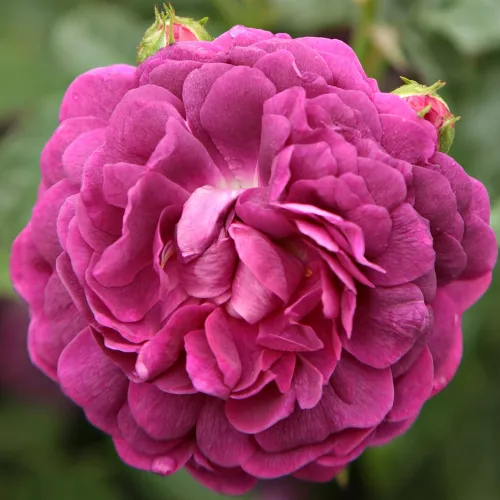
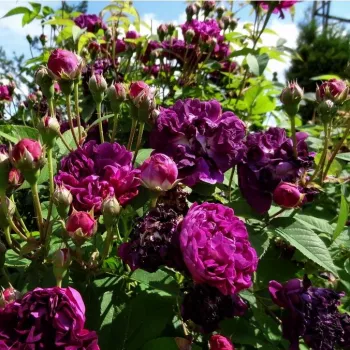
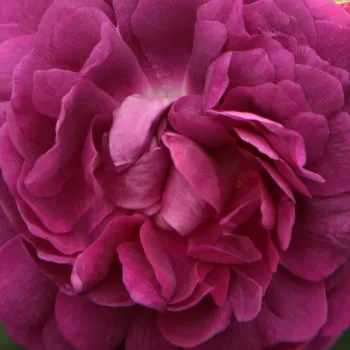
Deep, velvety lilac shade leaning towards crimson-purple, with a subtle bluish-grey tone. - historical, gallica rose - moderate-strength, noticeably fragrant rose - balsamic, berry-like
– Deep, velvety crimson‑purple historic blooms.
– Elegant rosette flowers, very fully double.
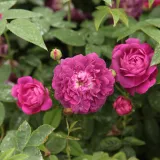
– Bushy, upright shrub with dense foliage.
– Noticeably balsamic, berry‑like fragrance.
– Excellent winter hardiness down to −29 °C.
– Special feature: Decorated with RHS Award of Garden Merit and major American Rose Society awards.
Pollinator-friendly approach – Secure ordering
darinaROSE® ORIGINAL 2-litre own-root potted rose
19,10 £
Unfortunately, we are currently unable to ship to the United Kingdom; we only deliver to countries within the European Union. For more information, please contact us!
5(8097)
CARDINAL DE RICHELIEU – deep purple historic Gallica rose - Parmentier
Immerse your garden in a romantic, storybook atmosphere with ‘Cardinal de Richelieu’, a classic Gallica shrub that brings richly coloured, velvety blooms to relaxed cottage-style borders. This historical rose offers a bushy, upright structure, dense, matt dark foliage and notably sparse prickles, making it more comfortable to manage in a family setting. Once established on its own roots, it settles in reliably and copes well with typical British conditions, including blustery days and coastal winds when planted with good drainage in heavier soils. A strong once-a-year display of double, rosette flowers in deep plum and smoky lavender tones creates a dramatic backdrop to afternoon tea beneath an arbour, followed by the occasional ornamental hip for extra seasonal interest. As an own-root shrub, it is bred for longevity and steady regeneration, so you gain enduring character with only moderate routine care, ideal for hobby gardeners who want traditional beauty without complex pruning.
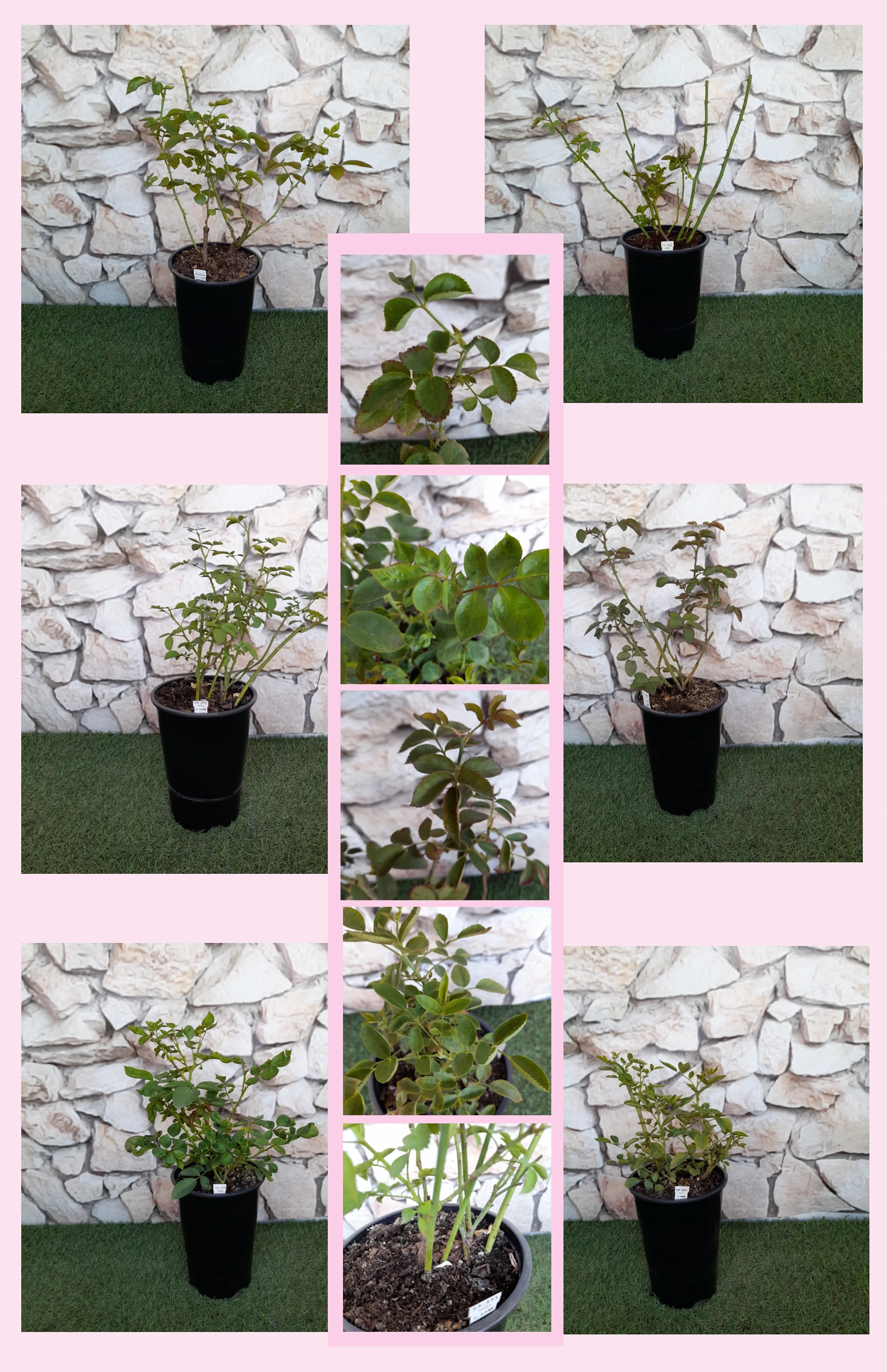
Cardinal de Richelieu in potted sales condition
Usage options
Target area
Reasoning
Romantic cottage border near a seating area
The rose’s deep plum and smoky lavender blooms create a richly coloured focal point for a traditional cottage-style border, ideal beside a bench or small patio. The moderate fragrance is noticeable without being overpowering, enhancing the sense of quiet relaxation for romantic garden lovers.
Flower bed in a medium-sized family garden
Its bushy, upright habit and dense foliage allow it to fill a flower bed with structure and cover, looking full even when out of bloom. Moderate maintenance needs suit busy households who want charm without frequent interventions, fitting well with simple seasonal routines for time-pressed homeowners.
Informal flowering hedge along a boundary
Planted at hedge spacing, the variety forms a leafy, flowering barrier that softens fences or separates garden “rooms”. The sparse prickles make it less daunting to trim and deadhead where needed, while its hardy nature supports long-term presence for family-focused gardeners.
Solitary specimen near an arbour or arch
As a single specimen, it offers a concentrated burst of historic character and colour, perfect beside an arbour where you might sit for afternoon tea. Own-root growth means it matures steadily over the years, strengthening its outline and ornamental value for heritage-rose enthusiasts.
Urban front garden with traditional styling
The compact spread and upright, bushy structure work well in smaller plots, allowing classic cottage style even in town streets. Its established root system in the container gives a secure start when planting into existing clay or chalk soils with modest preparation for busy urban gardeners.
Park or community planting in a heritage scheme
This cultivar’s documented historic background and awards make it ideal for heritage-style beds in public or shared gardens. Once settled on its own roots, it offers a long lifespan and reliable framework with only occasional health checks and basic pruning for community project planners.
Large decorative container on terrace or courtyard
In a 40–50 litre container with good drainage, it can be grown as a statement shrub where soil is poor or paved over. The dense foliage and once-a-year flower show give a strong seasonal highlight with manageable routine care such as watering in prolonged dry spells for container gardeners.
Mixed planting in areas exposed to wind
Its sturdy shrub form and firm framework help it remain presentable in typical British breezes, especially where gardens are open or slightly elevated, giving reassuring stability in blustery weather near the coast and on heavier soils for practical-minded homeowners.
Styling ideas
Cottage-Border Anchor – Place as a mid–back border anchor with sweet alyssum and dwarf lavender in front for a soft, layered edge – ideal for lovers of relaxed cottage style.
Arbour Companions – Flank an arbour with a pair of shrubs and underplant with catmint and low geraniums to frame an afternoon tea corner – perfect for romantic traditionalists.
Heritage Hedge – Create an informal flowering hedge, mixing with other historic shrub roses to echo old estate gardens – suited to gardeners curating a period look.
Plum-and-Cream Scheme – Combine its velvety plum flowers with cream foxgloves and white campanulas for a refined, storybook palette – attractive to those who enjoy coordinated colour themes.
Courtyard Statement Pot – Grow it in a 50-litre clay pot with trailing thyme and seasonal annuals around the base to soften hard landscaping – appealing for small-space and courtyard owners.
Technical cultivar profile
Parameter
Data
Name and registration
Historical Gallica shrub rose, commercial name ‘Cardinal de Richelieu’, also listed as a Heritage rose; unregistered cultivar used under a long-established, widely recognised trade name.
Origin and breeding
Old garden rose of Gallica / Hybrid China background, bred by Louis-Joseph-Ghislain Parmentier in Belgium; introduced around 1840 and preserved in cultivation as a classic heritage variety.
Awards and recognition
Holds the RHS Award of Garden Merit (1993) for reliable garden performance; multiple American Rose Society show titles including Dowager Rose Queen and Old Garden Rose Bloom or Spray.
Growth and structural characteristics
Bushy shrub 125–180 cm tall and 90–140 cm wide, with dense, matt dark green foliage and relatively few prickles; moderately self-cleaning, though some spent blooms may require manual removal.
Flower morphology
Medium-sized, very full double rosette blooms with over 40 petals, usually borne in clusters; not remontant, giving one main flowering period with an abundant display in early to midsummer.
Colour data and phenology
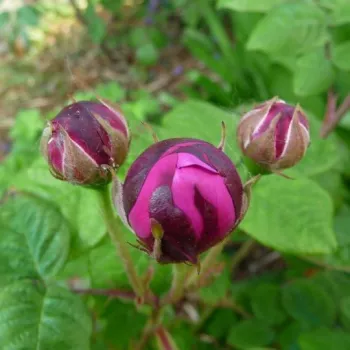
Closed buds near black-purple, opening deep crimson-purple with lilac sheen, then fading to smoky lavender-lilac; colour holds better in cooler weather, lightening in strong sun and high temperatures.
Fragrance and aroma
Moderate, noticeable scent with balsamic, berry-like notes; primarily an ornamental cultivar, as its very double blooms conceal the stamens and are only weakly attractive to visiting pollinating insects.
Hip characteristics
Occasional spherical hips, 14–22 mm, red-orange when produced; fruiting is generally light because the densely double flowers limit pollination and seed set under normal garden conditions.
Resistance and winter hardiness
Hardy to approximately −32 to −29 °C (RHS H7, Swedish zone 5, USDA 4b); disease resistance is moderate to mildew and black spot, but rust can be troublesome without occasional protection.
Horticultural recommendations
Best in well-drained soil with full sun or light shade; suitable for beds, informal hedges, parks and large containers; medium maintenance, including deadheading and basic monitoring for rust.
CARDINAL DE RICHELIEU offers velvety historic colour, a sturdy shrub form and a long-lived own-root constitution that rewards patient gardeners with enduring cottage-garden character over many seasons; consider it if you value romance with reassuring permanence.
Detailed product attributes
Product Identification Data
Product Name:
CARDINAL DE RICHELIEU – deep purple historic Gallica rose - Parmentier
Product Type:
darinaROSE® ORIGINAL - 2-litre own-root potted rose
Competition and Show Awards:
RHS Award of Garden Merit (1993); American Rose Society – Dowager Rose Queen (2001); American Rose Society – Old Garden Rose Bloom or Spray (2020)
Pollinator Attraction:
Its very double blooms conceal the stamens, so it is poorly attractive to pollinators, since bloom form (simple/semi‑double/double) and stamen accessibility strongly affect pollinator attraction.
Pollinator-Friendly Rating:
Its very double flowers enclose the stamens, making it primarily an ornamental variety.
Hip Comment:
Fruit set (hips) is expected to be low due to the double flowers; it occasionally produces spherical, 14–22 mm in diameter, red–orange hips.
Our product is a rose grown with pharmaROSA®’s unique cultivation technology!
2-litre, own-root, potted rose.
With a shoot system appropriate to the season.
With a root system that thoroughly permeates the growing medium.
Quality compliant with the requirements of the E.N.A. (European Nurserystock Association).
Supplied in unique packaging that prevents damage.
Can be planted during frost-free periods.
True-to-variety rose bush with a unique identifier.
The pharmaROSA® own-root potted rose is a well-rooted plant that supports reliable establishment when planted and cared for properly, so it can be planted whenever the soil is not frozen.
Crop overview: several varieties and growth stages in a short crop section.Shoot system: intensive growth of fresh basal shoots on a young plant.Root system: demonstration of a vigorous root system permeating the growing medium, by removing the pot.Balance: mature plant with root system and shoots in harmony with each other.
Information about the videos
The video series is not a “seasonal showcase”; it illustrates the essence of pharmaROSA® own-root cultivation in a tangible way: how the plant is built up, what the root system is like and how the shoot system regenerates. The recordings were therefore made at different times and with plants at various stages of development, so mixed foliage levels and differing stages of growth may appear in the videos. They are not a ‘sample’ of the batch dispatched, but a visual explanation of how the technology works. The current condition of the rose available to order — typical for the given period and similar to what you can expect to receive in the parcel — is shown in the upper part of the product page.
Pages for private customers Garden roses for the family garden, with minimal care → ORIGINAL® Premium garden roses – instant impact, a truly showpiece garden → EXTRA® Pages for professionals and private customers Roses for public spaces – large areas, sustainable maintenance → NATURAL® Roses for projects – hedge and row planting, fast implementation → RAPID® For professional partners only Production – propagation material for garden roses, wholesale → NEONATAL®
Company details
PharmaRosa Ltd. Company registration number: 01-09-717479 VAT number: 13075314-2-43 Plant health registration no.: HU130721 Bank account (IBAN): HU85117631891388688400000000 BIC (SWIFT): OTPVHUHB Bank name: OTP Bank Nyrt.