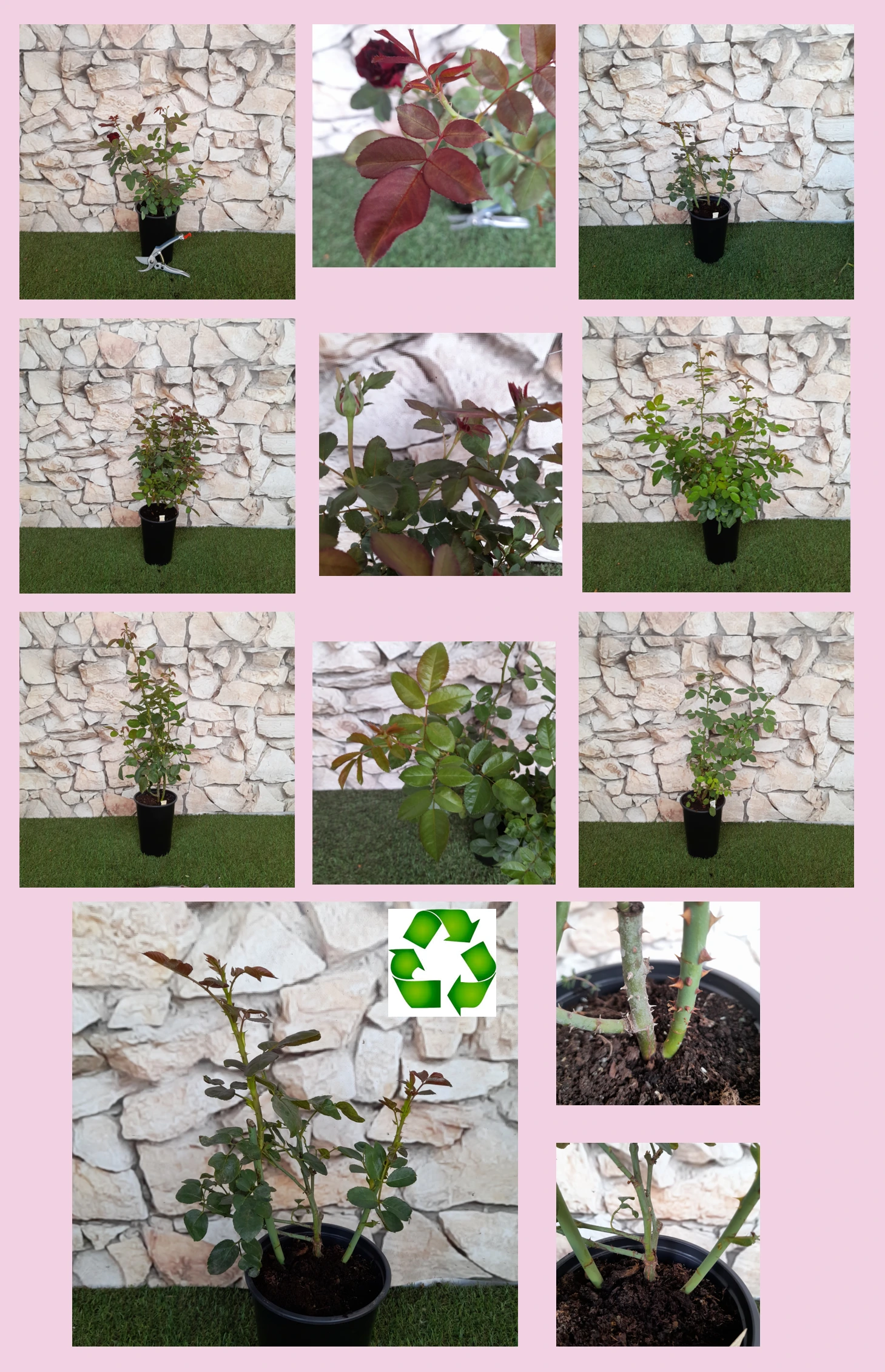
CAPRICE DE MEILLAND ® – deep pink hybrid tea rose - Meilland
Sink into the soft, storybook charm of Caprice de Meilland, a deeply romantic hybrid tea rose designed for afternoon garden moments and relaxed family living. Its large, high‑centred blooms open in waves of fruity, room‑filling perfume, bringing a traditional cutting‑garden feel to even the smallest urban plot. This premium own‑root plant settles in reliably, building a long‑lived, regenerating framework that keeps its ornamental value season after season with only modest care. In typical British conditions it copes well with blustery showers and unsettled weather, staying composed even in coastal breezes and rain‑laden spells. Over the first few years it develops steadily – roots first, then strong shoots, then a full display – rewarding simple, regular watering and light pruning rather than complicated routines. Ideal for cottage‑style borders, rose arches or a single, beautifully scented specimen by the patio, this rose lends a distinctly feminine, romantic accent to any garden where comfort and cosiness matter more than formality.
Usage options
| Target area | Reasoning |
|---|
| Near seating or an afternoon tea corner |
Placed beside a bench or bistro set, the very strong, fruity‑rosy fragrance creates an intimate, cocooning atmosphere, ideal for relaxed conversations and reading. Best for those who value sensory richness and gentle indulgence in the garden, especially beginners. |
| Main focal point in a small to medium border |
The upright, bushy habit and XL, high‑centred blooms form a clear focal point that anchors mixed cottage planting without overwhelming nearby perennials. This gives reliable structure in limited space, suiting compact family gardens and style‑conscious homeowners. |
| Traditional cottage‑style rose and herbaceous mix |
Its deep pink, warm‑toned colour combines beautifully with soft grasses and airy perennials, delivering a classic “girly” cottage look with one straightforward shrub. A good choice for those seeking romantic informality with manageable upkeep, including hobby‑gardeners. |
| Cut‑flower patch for home arrangements |
Long‑stemmed, high‑centred blooms in a uniform deep pink tone provide elegant, long‑lasting vase flowers, reducing the need to buy cut roses. Ideal for creative gardeners who enjoy arranging their own scented bouquets at home, particularly urban‑dwellers. |
| Feature rose in a large container (40–50 L+) |
In a sufficiently large pot with good drainage, it becomes a movable, season‑long accent for patios or terraces, with flowers at eye level for easy enjoyment. This suits busy people who want impact without redesigning the whole plot, especially balcony‑owners. |
| Roses for exposed or weather‑prone spots |
The sturdy, upright growth and dense foliage maintain an orderly look even when winds pick up and showers sweep through, helping the border stay composed through changeable weather and brisk coastal influences, appealing to practical gardeners. |
| Long‑term planting in family gardens |
As an own‑root rose it can regenerate from its base, avoiding problems with rootstock shoots and supporting a long lifespan with stable shape and flowering. This makes it a sound, future‑proof choice for low‑stress planting by planning‑minded families. |
| Low‑complexity rose area with simple annual care |
Medium maintenance needs, moderate disease resistance and predictable repeat flowering mean care can be limited to basic watering, feeding and a straightforward winter prune, fitting around work and school routines for time‑pressed but enthusiastic beginners. |
Styling ideas
- Cottage Arbour Romance – Train as a scented focal shrub near an arbour entrance, underplant with low baby’s‑breath and catmint for a cloud‑like base – perfect for lovers of classic English cottage charm.
- Patio Tea Corner – Grow one plant in a 50‑litre container by a small table and chairs, adding lavender and dwarf grasses nearby – ideal for busy urban owners wanting fragrance close to the back door.
- Pink Cutting Row – Line a sunny kitchen‑garden edge with evenly spaced plants, interplanted with gypsophila for ready‑mixed vase companions – for home florists who like to cut weekly bunches.
- Family Front Border – Use as a central accent among low evergreen hedging and soft perennials, giving year‑on‑year structure with romantic colour – suited to families seeking neatness with a traditional twist.
- Coastal Calm Border – Combine with Stipa tenuissima and resilient perennials in a free‑draining bed, letting the blooms glow against moving grasses – for gardeners in breezier sites who still want a feminine, scented look.
Technical cultivar profile
| Property | Data |
|---|
| Name and registration |
Hybrid tea rose, registered as MEIsionver, marketed as Caprice de Meilland ® Perfumella ® MEIsionver; exhibition name Caprice de Meilland within the Hybrid Tea group. |
| Origin and breeding |
Bred by Alain Antoine Meilland, Meilland International, France; parentage ("Tino Rossi" × "Rendez‑Vous") × "Sonia"; bred and introduced in 1997 through Meilland International. |
| Awards and recognition |
Highly decorated fragrance rose: multiple 1997 perfume prizes at Bagatelle (Paris), Nantes, Le Roeulx, Rome, plus Gold Medal Rome and Rose of the Year in Hamilton, New Zealand. |
| Growth and structural characteristics |
Bushy, upright shrub 85–115 cm high and 40–60 cm wide, dense mid‑green, slightly glossy foliage, moderately thorny stems; poor self‑cleaning so some dead‑heading is beneficial. |
| Flower morphology |
Large XL, high‑centred hybrid tea blooms, 26–39 petals, double, solitary on stems; classic pointed buds opening to full, cupped flowers with plentiful repeat flowering in flushes. |
| Colour data and phenology |
Uniform deep rose‑pink (RHS 55A–55B), glossy surface; buds dark pink, opening warm, vivid pink with slightly paler edges; colour holds well, only lightly fading while remaining distinctly pink. |
| Fragrance and aroma |
Very strong, garden‑filling scent with fruity and classic rosy notes; ideal for fragrance‑focused plantings and cutting, though dense petals limit easy access for pollinating insects. |
| Hip characteristics |
Occasionally forms small, spherical red hips 8–12 mm in diameter, adding quiet autumn interest; not primarily grown for hip display or wildlife value. |
| Resistance and winter hardiness |
Rated to approximately −21 to −18 °C (RHS H7, USDA 6b, Swedish zone 3); medium resistance to black spot, mildew and rust; moderate heat tolerance, needing water in extended dry periods. |
| Horticultural recommendations |
Prefers sunny, fertile, well‑drained soil; spacing 45 cm in groups, 35 cm for hedging, 75 cm solitary; medium maintenance with occasional pest and disease control and regular dead‑heading. |
Caprice de Meilland ® offers deeply scented, exhibition‑style blooms, long‑term structure and dependable flowering on its own roots, making it a thoughtful choice for those planning a cosy, traditional garden retreat.