CAPITAINE JOHN INGRAM – crimson-purple historic moss rose - Laffay
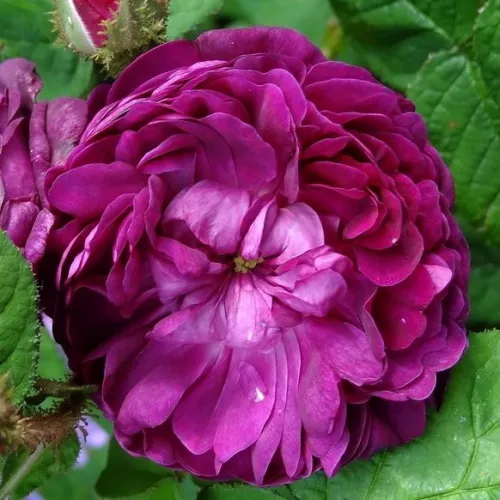
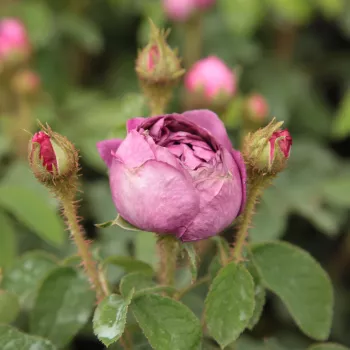
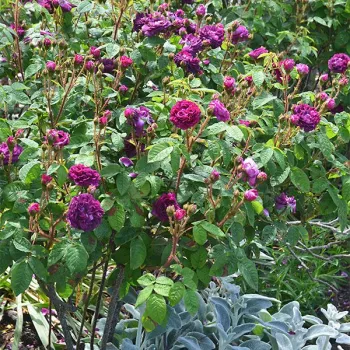
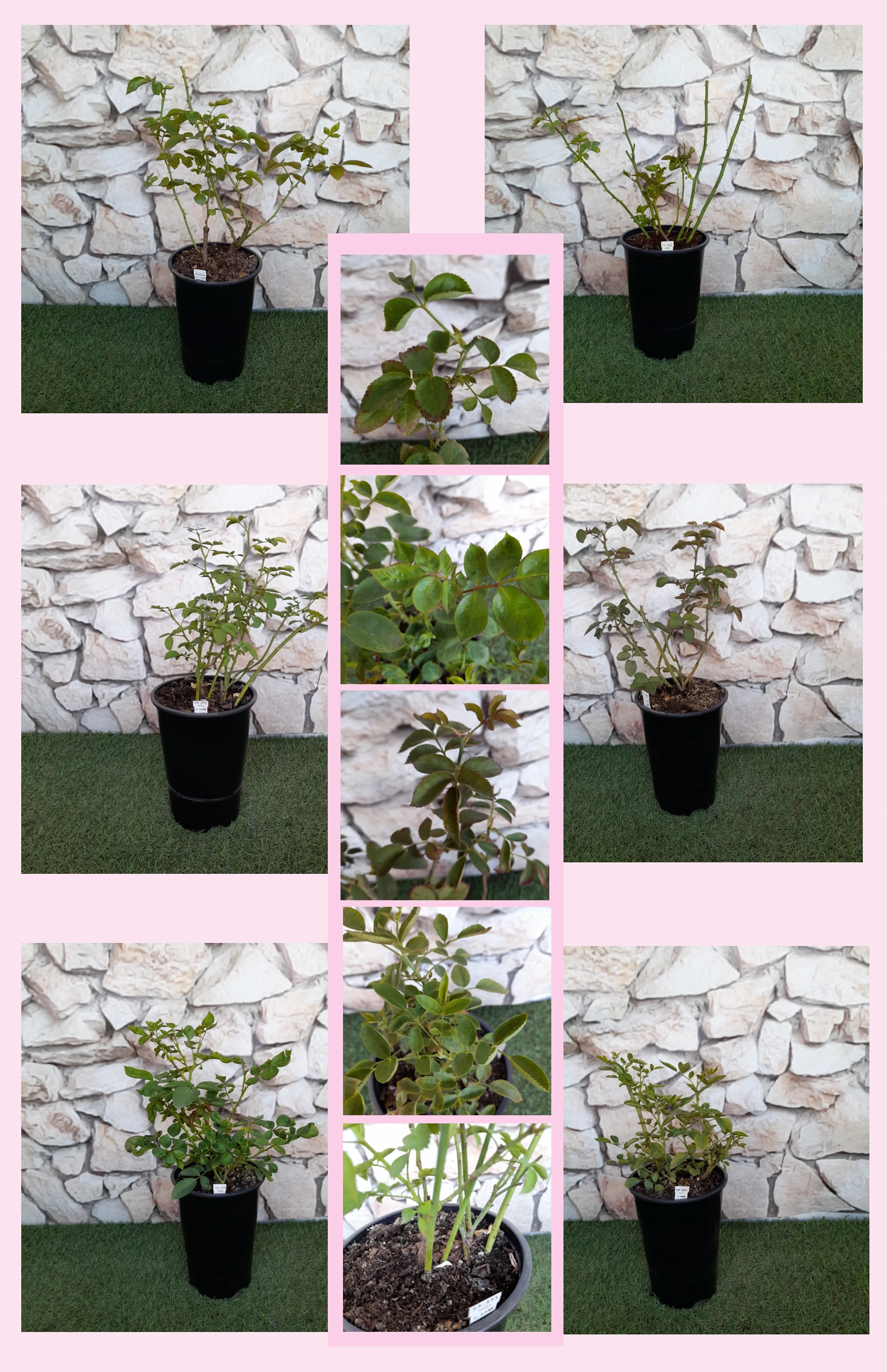
In a traditional family garden, CAPITAINE JOHN INGRAM brings a sense of old-world romance to your borders, with richly mossed buds and deeply coloured flowers that seem made for afternoon tea beneath an arbour. This moss rose prefers good light and air circulation, coping reliably even where strong breezes and passing showers are a regular feature of the season. Once settled, its bushy, upright-shrub structure forms a gently spreading presence that frames cottage-style paths and kitchen-garden beds with ease. The summer display is concentrated into one memorable flush, so you can plan a real “storybook” moment in June, then let the shrub simply anchor the border for the rest of the year. The strongly spicy fragrance is powerful enough to notice from a seating area, transforming a small garden into an outdoor parlour. As an own-root plant in the pharmaROSA ORIGINAL 2-litre format, it offers reassuring longevity and the ability to regenerate from its own wood after harder winters or pruning experiments. In its early years it responds predictably: first building roots, then pushing taller shoots, and by the third summer giving you the full, velvety ornamental impact that suits a romantic cottage scene. With appropriate planting, thoughtful spacing and regular care, this historic character rose can become a cherished focal point for decades to come.
Usage options
| Target area |
Reasoning |
| Main feature in a cottage-style flower bed |
Use CAPITAINE JOHN INGRAM as a central shrub in a mixed border where its once-a-year, concentrated blooming creates a dramatic focal point of deep crimson-purple rosettes. Give it full sun, room to reach its mature height, and a supporting cast of perennials and shrubs that carry the display once flowering is over, ideal for the romantic cottage gardener. |
| Informal flowering hedge along a path or lawn |
Planted at hedge spacing, its bushy, slightly spreading habit builds a loose, chest-high barrier that separates lawn from kitchen garden or drive. The thorny, mossy stems discourage shortcutting through beds, while the formal line of shrubs keeps a traditional feel without looking rigid, perfect for the family home owner. |
| Specimen shrub near a seating area or terrace |
Place a single plant in a prominent position close to a bench or terrace so the extremely strong, spicy scent can be fully appreciated during its main flowering period. Surrounded by low herbs and old-style perennials, it becomes a living scented backdrop to afternoon tea and evening conversations, suiting the scent-focused enthusiast. |
| Historic or period-themed rose collection |
This Laffay moss rose from 1854 offers genuine historical interest, making it a natural choice for collectors recreating Victorian or early cottage gardens. Its once-flowering habit and mossed buds fit authentically into themed plantings, complementing other heritage varieties valued by the historic rose collector. |
| Romantic arbour or entrance framing |
Although not a climber, its tall, bushy structure allows planting in pairs to mark gateways, arches or the start of a garden path. As the shrubs mature, their flowering flush visually “frames” the entrance with deep, velvety colour and texture, especially effective in smaller family plots for the traditional style lover. |
| Mixed shrub border for long-term structure |
In a mixed hedge or shrub belt, this variety contributes reliable height, a firm outline and matt mid-green foliage once flowering has finished. Combined with dogwoods, lilacs and hardy perennials, it underpins a classic, long-lived framework that anchors the whole border, appreciated by the long-term planner. |
| Protected large container on patio (over 40–50 litres) |
Where borders are limited, a very large, well-drained container allows you to enjoy its fragrance and historic character on a patio. Use at least 40–50 litres of quality compost, protect from severe winter frosts, and water regularly during dry spells in gardens often exposed to brisk winds and frequent showers, ideal for the urban balcony gardener. |
| Feature for dedicated rose hobbyists |
Its high maintenance needs and disease susceptibility mean it is best suited to gardeners willing to provide regular spraying, hygiene and monitoring. In return, the mossed buds, intense scent and concentrated early-summer display reward close attention and careful siting, making it a satisfying project for the experienced rose keeper. |
Styling ideas
- Victorian vignette – Underplant with lavender, catmint and lady’s mantle, then flank with a white-painted bench to echo period gardens – for nostalgic homeowners.
- Cottage hedge – Alternate plants with shrubby cinquefoil or small dogwoods to soften the line and extend seasonal interest – for families wanting gentle boundaries.
- Kitchen-garden gateway – Plant a pair by an arch leading to vegetables, with herbs and alliums nearby to scent the air and link ornamental and edible spaces – for rural kitchen-garden keepers.
- Evening perfume corner – Combine in a sheltered nook with night-scented stocks and old-fashioned pinks so fragrance builds around a small seating area – for scent connoisseurs.
- Collector’s island – Place as the centrepiece of a small lawn island, ringed with other heritage roses and simple perennials to highlight its mossed buds – for dedicated rose collectors.
Technical cultivar profile
| Parameter |
Data |
| Name and registration |
Historic moss rose marketed as CAPITAINE JOHN INGRAM, a heritage shrub of the Moss group. Commercially classed as a historical rose; unregistered cultivar with verified authenticity for garden use. |
| Origin and breeding |
Bred by Jean Laffay and introduced in France in 1854. Parentage is unknown; a traditional moss rose selected for ornamental value and fragrance rather than for modern disease resistance. |
| Growth and structural characteristics |
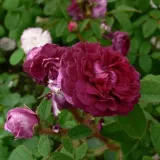
Vigorous, bushy shrub reaching about 120–190 cm in height and 80–120 cm spread. Moderately dense, matt mid-green foliage and densely thorned, mossy shoots create a substantial presence in borders. |
| Flower morphology |
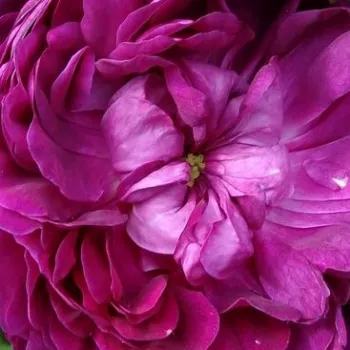
Medium-sized, fully double rosette flowers, typically solitary per stem with 26–39 petals. Non-remontant; produces a single main flowering period in early summer rather than repeat blooms. |
| Colour data and phenology |
Crimson-red blooms with a deep burgundy to purplish cast, RHS 187A–187B. Colour may lighten slightly in strong sun and show smoky, brownish-purple darkening as flowers age on the plant. |
| Fragrance and aroma |
Exceptionally strong, garden-filling scent with a deeply spicy character. Fragrance is a major ornamental feature and can be enjoyed at a distance in suitable weather and sheltered garden positions. |
| Hip characteristics |
Fruit set is generally low due to the very double flower form. When produced, hips are small, spherical, about 10–15 mm across, and mature to an attractive orange-red late in the season. |
| Resistance and winter hardiness |
Very susceptible to powdery mildew, black spot and rust; regular plant protection and hygiene essential. Winter hardy to about −26 to −23 °C (RHS H7, USDA 5b), suitable for colder UK regions. |
| Horticultural recommendations |
Best in full sun with fertile, well-drained soil and generous spacing. Requires consistent disease management and watering in prolonged drought; suited to dedicated gardeners seeking historic character. |
CAPITAINE JOHN INGRAM rewards attentive gardeners with a once-a-year flush of velvety historic blooms, powerful spicy fragrance and a long-lived own-root shrub presence; an inspired choice if you enjoy tending characterful roses.