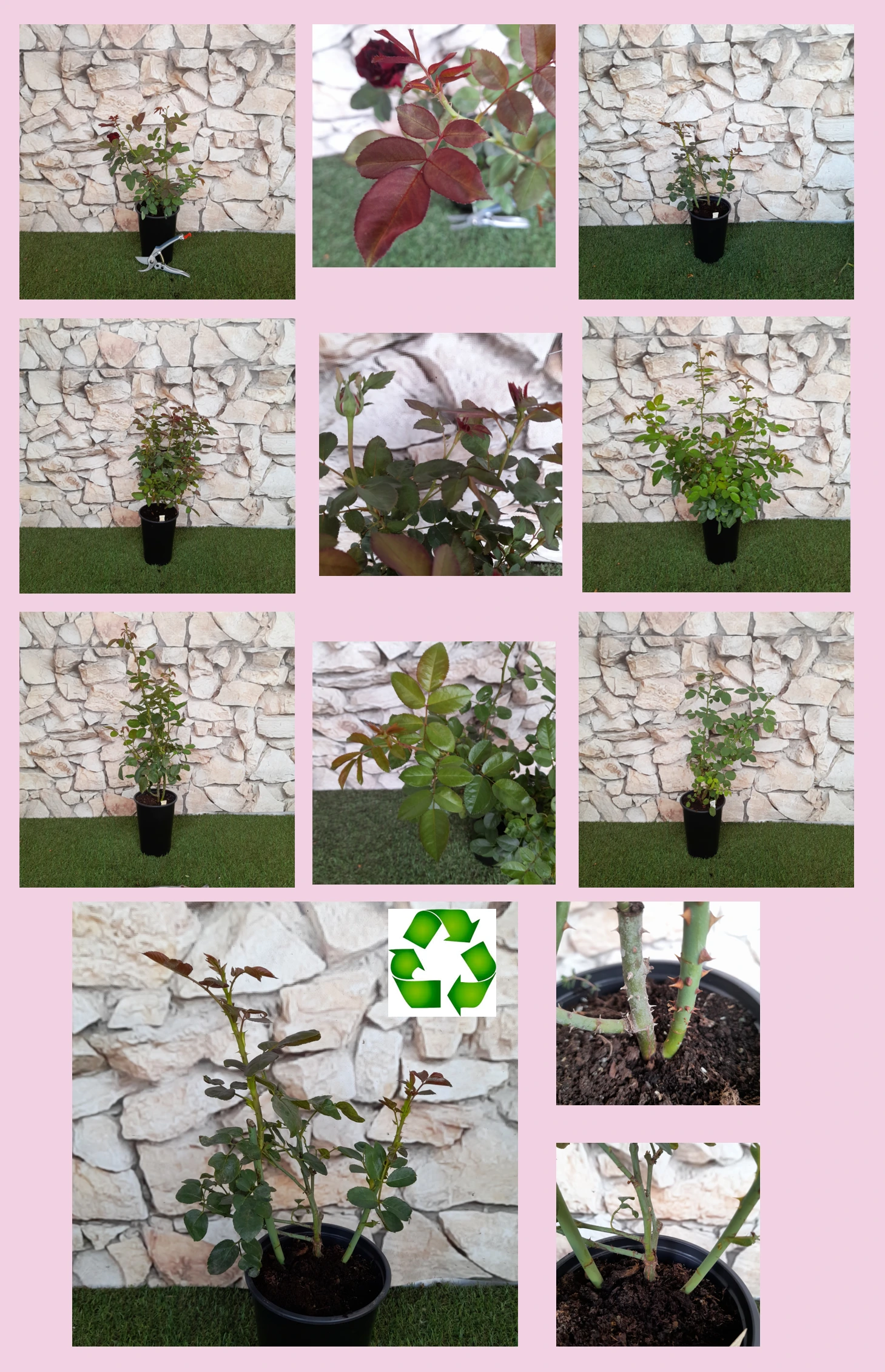
PRESERVATION – red bedding floribunda rose - Bossom
Under a pergola or beside a kitchen-garden path, Preservation settles in quickly as a container-grown, own-root floribunda that rewards you with dependable, remontant flowering and a naturally upright, compact habit. Its vivid mid-red, very double blooms gather in clusters, creating a romantic, storybook feel and giving you that “afternoon tea beneath an arbour” atmosphere even in an average-sized family plot. Medium maintenance and solid disease resistance mean routine care rather than constant spraying, while its hardiness and own-root resilience support a long-lived planting in typical British clay or chalk, even where careful drainage is needed in heavier soils. Moderately dense, glossy foliage and wildlife-supporting hips keep borders attractive beyond peak flowering, and over just a few seasons this rose progresses from establishing roots to stronger shoots and then full garden presence, enhancing your bed or low hedge without demanding expert pruning.
Usage options
| Target area |
Reasoning |
| Front-of-border bedding in a family garden |
The upright yet compact structure and 75–105 cm height make Preservation ideal for neat front-of-border rows that still feel generous. Clustered red flowers appear repeatedly through the season, keeping beds lively for those wanting colour without specialist know-how, particularly beginners. |
| Cottage-style mixed rose border |
Its vivid mid-red, cup-shaped blooms fit perfectly with a romantic cottage palette, weaving between herbaceous perennials and low hedging without overpowering them. Remontant flowering provides recurring highlights that suit those who enjoy traditional charm but prefer uncomplicated care, mainly hobby-gardeners. |
| Low flowering hedge along paths or drives |
Recommended plant spacing of about 35 cm lets you form a gently formal, low rose hedge that frames paths and driveways. The moderately dense, glossy mid-green foliage reads as tidy but not rigid, useful for homeowners wanting structure and colour in one planting, especially families. |
| Small-group plantings in heavy or chalky soil |
Planted in threes or fives, Preservation builds into a coherent block of colour without requiring advanced pruning techniques. Own-root plants establish steadily in typical British clay or chalk when you provide reasonable drainage, suiting busy gardeners who still value a long-term display, notably homeowners. |
| Feature rose in a large container |
In a 40–50 litre or larger pot, its upright habit and repeat flowering create a strong focal point by the front door or terrace. Container culture also helps manage drainage on heavy plots, matching the needs of those with paved or compact urban spaces, particularly balcony-owners. |
| Long-term planting in colder UK regions |
With RHS H7 hardiness and reliable own-root regrowth, Preservation is well suited to long-lived beds in areas that experience sharper winter frosts. Even after tougher seasons it refurnishes from the base, reassuring gardeners who plan for many years of use, most relevant for planners. |
| Family garden beds with moderate maintenance time |
Medium maintenance and good resistance to black spot and powdery mildew mean care is largely limited to annual pruning, feeding and occasional checks, rather than routine spraying. This suits family gardens where time is shared between many commitments, ideal for busy-owners. |
| Wildlife-aware ornamental planting |
Although the double flowers offer limited forage to pollinators, Preservation can form occasional small, red hips that extend visual interest and provide a minor seasonal resource for birds, making it a decorative choice that still nods toward nature-friendly gardening, appreciated by wildlife-lovers. |
Styling ideas
- Kitchen-border – Repeat Preservation along a vegetable plot edge with chives and marigolds for a productive-meets-romantic look – for traditional kitchen gardeners who like order with colour.
- Storybook-arch – Plant low groups either side of a simple metal arch with a light climber overhead, using the red clusters to frame a path – for those recreating an English storybook entrance.
- Crimson-drift – Mass-plant at 40 cm spacings to form a low, undulating wave of red beside lawn or patio – for homeowners wanting a bold but easy-care statement.
- Pastel-partner – Combine with soft pink scabious and airy hemp-agrimony to contrast mid-red blooms against gentle, wildlife-friendly perennials – for nature-aware cottage-style enthusiasts.
- Courtyard-pot – Grow a single shrub in a 50 litre terracotta container with trailing thyme at the base to soften the rim – for urban gardeners seeking a refined focal point with modest upkeep.
Technical cultivar profile
| Characteristic |
Data |
| Name and registration |
Floribunda bedding rose registered as BOSiljurika, marketed as Preservation Bedding rose BOSiljurika, exhibition name Preservation; classified within the bed rose commercial group for garden and show use. |
| Origin and breeding |
Bred in the United Kingdom in 1995 by W. E. “Bill” Bossom from the cross ‘Silver Jubilee’ × ‘Paprika’; registered in 1999 and introduced after 1999, distributed through various channels. |
| Growth and structural characteristics |
Upright floribunda shrub, typically 75–105 cm tall with a 50–70 cm spread; moderately dense, glossy mid-green foliage on sparsely thorned stems creates a balanced, medium-textured garden presence. |
| Flower morphology |
Large, very double, cup-shaped blooms with over 40 petals, borne in clusters on branching stems; remontant flowering provides an abundant main flush and a strong second wave in suitable conditions. |
| Colour data and phenology |
Vivid mid-red flowers (ARS MR; RHS 46B outer, 46C inner) with bright, silky petals; colour lightens only moderately, softening toward cherry red with a fine pink edge as blooms age before dropping. |
| Fragrance and aroma |
Mild, subtle scent that does not dominate nearby planting schemes; more suited to providing a gentle background rose aroma than to those seeking strongly perfumed varieties for fragrance-focused gardens. |
| Hip characteristics |
Occasional small ellipsoid hips, around 8–12 mm long, coloured red to RHS 40A; offer modest seasonal interest and a light wildlife contribution without becoming visually untidy or overly prolific. |
| Resistance and winter hardiness |
Medium overall disease resistance with good tolerance to black spot and powdery mildew, moderate rust susceptibility; winter hardy to about −21 to −18 °C (USDA 6b, RHS H7), ensuring reliable UK garden performance. |
| Horticultural recommendations |
Best in sunny positions; allow around 40 cm for bedding, 35 cm for hedging or 65 cm as a specimen; medium maintenance needs with occasional plant protection, regular watering in extended heat and drought. |
Preservation Bedding rose BOSiljurika offers remontant flowering, compact upright growth and durable, own-root resilience that suits long-lived family borders and containers, making it a thoughtful choice if you value dependable colour with modest effort.