CAFFE LATTE™ – light brown hybrid tea rose - De Ruiter
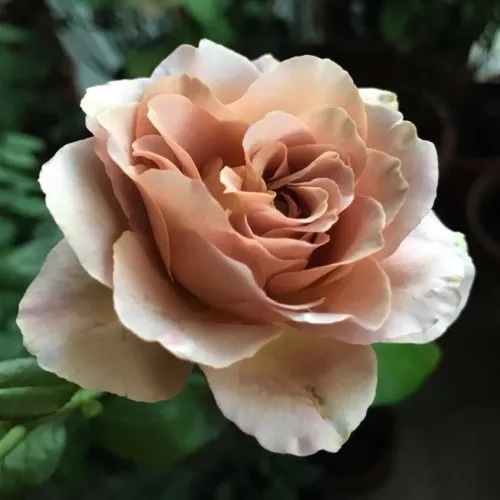
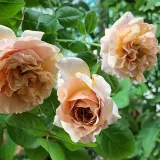
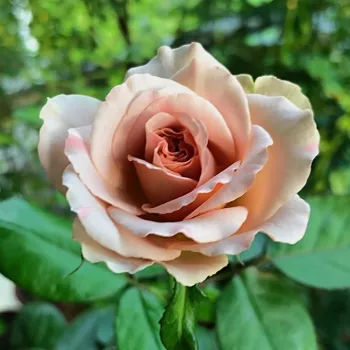
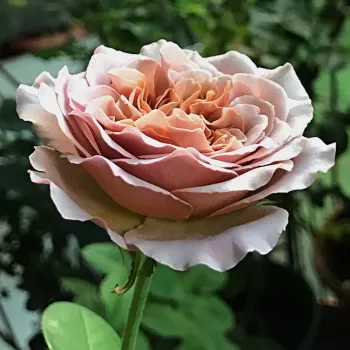
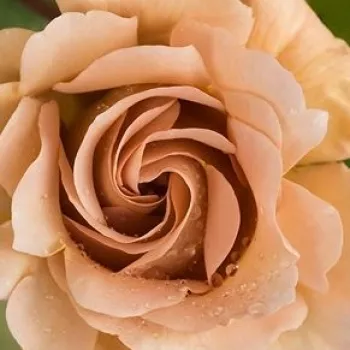
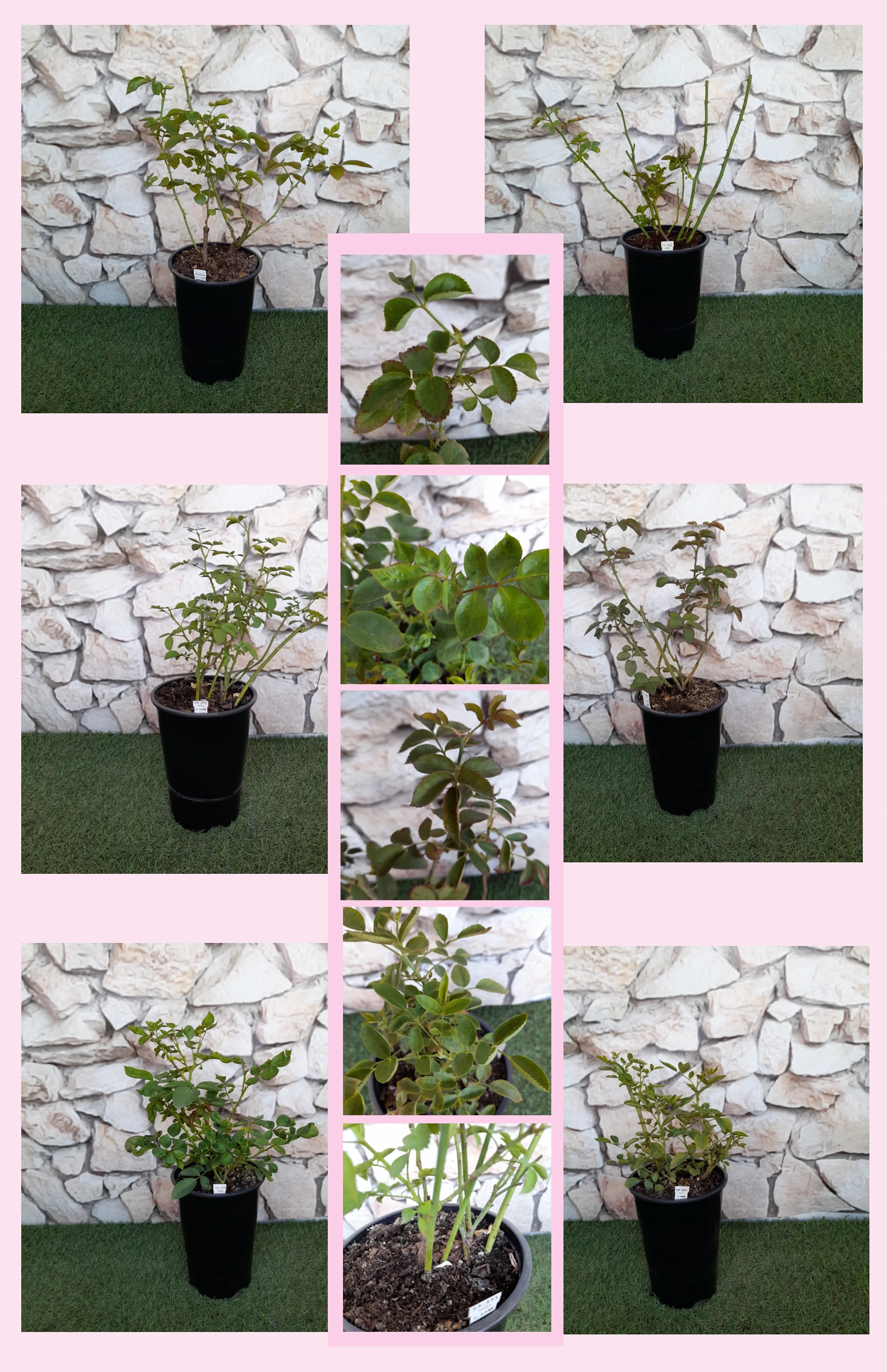
CAFFE LATTE™ brings an indulgent, café-inspired ambience to a family garden, its high‑centred blooms swirling through unusual mocha, mauve and beige tones for a truly romantic border or evening cutting patch. Upright and space‑efficient, it fits comfortably into smaller plots while still delivering tall, elegant stems for indoor arrangements and a strong, lingering vanilla fragrance that feels perfectly at home beside a cottage‑style lawn, potager or play area. Grafted onto its own roots, it knits itself securely into the soil over time, offering reassuringly stable growth and long ornamental value with fewer replacement worries, particularly where you may be dealing with breezy aspects and soils that benefit from good structure and drainage in changeable weather. Over the seasons it matures from a young, easy‑to‑handle 2‑litre plant into a well‑anchored, resilient feature: roots in the first year, stronger framework in the second, and full, storybook garden presence by the third, all with a planting and care routine that stays pleasingly simple for busy households. The distinctive, coffee‑coloured flowers hold their shape well on the plant and in the vase, gradually lightening to a soft pastel beige that remains visually gentle and blends beautifully with hedging, herbs and cottage perennials, making this a versatile, long‑lived choice for creating a cosy, afternoon‑tea‑under‑the‑arbour atmosphere without demanding constant attention.
Usage options
| Target area | Reasoning |
|---|
| Feature rose beside a seating area or arbour |
The tall, upright habit and high‑centred, café‑coloured blooms create a focal point right at eye level, ideal beside a bench or pergola for afternoon tea, while the strong vanilla scent drifts through the seating space for those who enjoy fragrant pauses romantics |
| Cutting patch in a small family garden |
Hybrid tea form and long, straight stems make it naturally suited to cutting; clustered, repeat flowers mean regular indoor bouquets from even a short row, encouraging simple harvest-and-deadhead routines rather than complex pruning for those who prefer easy home arrangements homeowners |
| Cottage-style mixed border with perennials |
The warm caramel-to-beige tones blend softly with purples and dusky pinks, pairing well with classics such as coneflowers and phlox, while moderate vigour and compact spread allow close planting without crowding for those who like relaxed, informal combinations cottage-gardeners |
| Specimen rose in a sunny front garden |
As a solitary shrub at 120–160 cm, it delivers a refined, upright shape that frames doorways or paths without overwhelming them, offering long seasonal interest from buds to hips with only light shaping needed for those aiming for tidy kerb appeal neighbours |
| Large container on terrace or patio (40–50 litres+) |
Its relatively narrow footprint and vertical habit make it easier to accommodate in a generous pot, while own-root stability and repeat flowering provide a long-lived, movable accent for those with paved spaces rather than deep borders balcony-owners |
| Roses in slightly exposed or breezy positions |
Good anchoring on its own roots and a sturdy, upright framework help it cope with everyday wind, while resilient foliage and moderate disease tolerance support a dependable display in typical British conditions for those gardening in open aspects coastal-families |
| Low-maintenance romantic hedge or ribbon planting |
Recommended planting distances allow you to form a loose, shoulder-height rose line along paths or vegetable plots, and simple annual trimming keeps rhythm and privacy without intricate hedge work for those wanting a soft, storybook boundary planners |
| Family garden where time for care is limited |
Once established, the own-root structure supports gradual regeneration after pruning or minor damage, offering long lifespan and reliable flowering with straightforward deadheading and occasional protection, fitting those who want a pretty garden without complex tasks beginners |
Styling ideas
- Café-border elegance – Thread CAFFE LATTE™ through a narrow border with tall grasses and soft mauve perennials for a chic, coffee-toned ribbon – ideal for style-conscious homeowners wanting impact in limited space.
- Kitchen-garden charm – Place a row along the edge of a vegetable patch, underplanted with herbs, so you can cut blooms while gathering produce – perfect for families who enjoy a traditional potager feel.
- Mocha-and-lavender mix – Combine with lavender and calamint in a sunny strip to echo its caramel tones against cool blues and silver foliage – suited to those seeking a low-fuss, scented path or driveway.
- Storybook archway – Flank a simple wooden arch with two specimen plants, letting their upright shape guide the eye while climbers do the spanning – for gardeners wanting romance without complex training.
- Patio tea corner – Grow one plant in a 50-litre terracotta pot beside a small table and chairs, letting repeat blooms supply fresh cut flowers – appealing to busy urban gardeners who relax outdoors at weekends.
Technical cultivar profile
| Parameter | Data |
|---|
| Name and registration |
CAFFE LATTE™ hybrid tea rose, light-brown, current trade name of De Ruiter; ARS exhibition name ‘Caffe Latte’; own-root, 2-litre container-grown plant prepared for garden use. |
| Origin and breeding |
Hybrid tea rose bred by De Ruiter Innovations B.V., Amstelveen, Netherlands; parentage unknown; bred and introduced in 2005, initially distributed by De Ruiter Innovations B.V. |
| Growth and structural characteristics |
Upright, moderately dense bush 120–160 cm high and 55–85 cm wide; glossy dark green foliage, moderately thorny stems, weak self-cleaning so spent blooms benefit from regular removal. |
| Flower morphology |
Fully double, 26–39 petalled, large flowers in clusters; classic high-centred, pointed buds of cut-rose type; remontant habit with an abundant second flush over the main season. |
| Colour data and phenology |
Soft mocha-brown buds with mauve and beige tones; warm caramel petals shading from brown through mauve to beige; colour lightens in strong sun to pastel beige-brown, RHS 165A–165C range. |
| Fragrance and aroma |
Strong, long-lasting vanilla fragrance with a sweet, gourmand character; best appreciated near seating or paths; densely double flowers limit pollen access, so pollinator value is low. |
| Hip characteristics |
Small, spherical orange-red hips occasionally produced, around 10–14 mm in diameter; ornamental but not typically a major feature compared with the distinctive flower display. |
| Resistance and winter hardiness |
Hardy to approximately –21 to –18 °C (USDA 6b, RHS H7, Swedish Zone 3); good heat tolerance with watering in prolonged drought; medium disease resistance, with black spot and rust rated resistant. |
| Horticultural recommendations |
Best in full sun with well-drained, improved soil; spacing 55–100 cm depending on use; moderate maintenance including deadheading and occasional protection against powdery mildew as needed. |
CAFFE LATTE™ offers unusual mocha-toned blooms, strong vanilla scent and dependable, upright garden performance on a durable own-root framework, making it a thoughtful choice if you would like lasting romance from a single, distinctive rose.