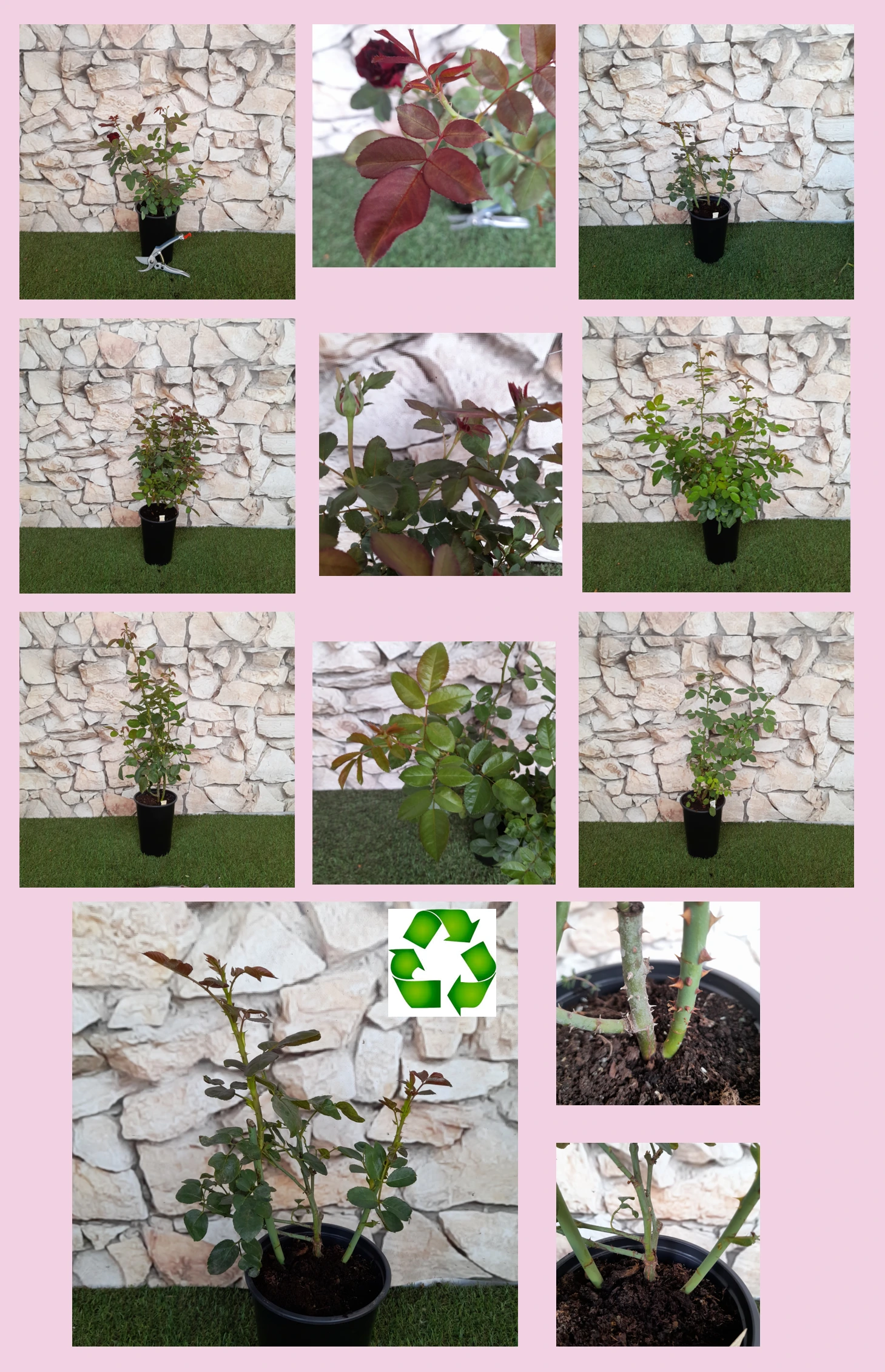
ROUSEFRËNN – pink bedding floribunda rose – Żyła
ROUSEFRËNN brings a softly romantic, storybook cottage atmosphere to ordinary family gardens, creating the feeling of afternoon tea under an arbour with its clusters of baby-pink blooms. This compact floribunda forms a low, organised border of double, cup-shaped flowers that repeat generously through the season, so even beginners enjoy reliable flowering without complex pruning. The strong, fruity-raspberry fragrance adds cosiness beside a terrace, path or kitchen garden, while dense mid-green foliage keeps the planting picture neat and balanced. On its own roots it builds a durable framework that regenerates well and offers a long ornamental lifespan, especially valuable in smaller gardens where every shrub must earn its place. Over the first three years it steadily deepens: first rooting in, then filling out its shoots, before reaching full impact as a dependable, low-maintenance bedding rose that copes well with breeze and frequent showers in typical British weather.
Usage options
| Target area | Reasoning |
|---|
| Front-of-border cottage bed |
The compact, 40–60 cm habit makes it ideal for the front of a mixed cottage border, where organised clusters of baby-pink flowers provide a soft edge without overwhelming nearby perennials; dependable repeat flowering keeps the border colourful from early summer into autumn, suiting romantic-family. |
| Mass bedding and group planting |
Planted at the recommended distances, ROUSEFRËNN quickly forms a tidy, unified carpet of bloom, perfect for traditional beds and small park-style areas in private gardens; the moderate care needs are manageable for those who want a classic, well-ordered display, suiting tidy-homeowners. |
| Low informal hedge along paths |
Its dense foliage and even spread of 50–70 cm allow it to define paths, driveways or vegetable garden edges as a low rose hedge; the own-root form builds a durable, regenerating line of shrubs that can be pruned flexibly after flowering, suiting kitchen-gardeners. |
| Patio container or large pot (40–50 L+) |
The relatively modest height and compact framework adapt well to large containers of at least 40–50 litres, where steady repeat flowering and strong scent can be enjoyed up close on a terrace or balcony; own-root vigour supports longer-term pot culture, suiting urban-beginners. |
| Partially shaded seating areas |
Tolerance of partial shade lets this floribunda flower reliably where the house or trees cast light shade for part of the day; this makes it practical near north- or east-facing seating spots, bringing fragrance and colour without needing a full-sun border, suiting busy-relaxers. |
| Wind-exposed and coastal-style gardens |
Its compact stature and dense foliage help it stand up to breezier, more exposed positions where taller roses might rock or snap; in typical British conditions it offers reassuring stability and reliable flowering even where gardens regularly face brisk winds and passing showers, suiting coastal-owners. |
| Mixed planting with perennials and shrubs |
The organised growth and mid-green, slightly glossy leaves sit comfortably among perennials like phlox or verbena and small shrubs such as caryopteris, giving a balanced cottage look without visual clutter; the repeat flowering stitches gaps between perennial flushes, suiting design-conscious. |
| Long-term family garden planting |
As an own-root, medium-maintenance floribunda, ROUSEFRËNN is well suited to family gardens where plants are expected to last and look good over many seasons; with basic pruning and occasional disease checks it maintains its framework and bloom production for years, suiting practical-planners. |
Styling ideas
- Tea-terrace edging – Line a small patio or seating area with a low row of ROUSEFRËNN, underplanting with thyme or low catmint for scent layers – ideal for homeowners seeking a cosy afternoon-tea corner.
- Cottage-ribbon bed – Combine ROUSEFRËNN in a narrow strip with foxgloves and delphiniums behind for height contrast, letting its compact pink mounds anchor the front – for lovers of traditional English cottage borders.
- Kitchen-garden charm – Use ROUSEFRËNN as a low hedge framing raised vegetable beds, paired with chives and marigolds to soften edges and add fragrance – perfect for rural kitchen gardeners.
- Pastel-pot focus – Plant a single ROUSEFRËNN in a 50-litre terracotta pot, with trailing lobelia or bacopa around the rim, creating a scented focal point by the back door – suited to busy urban balcony and patio owners.
- Park-style group – Arrange groups of five or seven plants in a lawn island with spring bulbs and summer phlox, giving a small private garden the feel of a classic rose park bed – appealing to traditionalist family buyers.
Technical cultivar profile
| Parameter | Data |
|---|
| Name and registration |
ROUSEFRËNN, a floribunda bedding rose in the bed rose group; Luxembourgish name meaning ‘rose-lovers’. Trade names: Rousefrënn Bedding rose Żyła; registered 2018, exhibition bed and park rose. |
| Origin and breeding |
Bred by Stanisław Żyła in Poland in 2014; parentage unknown. Introduced after 2018 by Lens Roses in Belgium, with limited publicly available breeding data but proven performance in European trials. |
| Awards and recognition |
Awarded Special Prize at the Baden-Baden International Rose Competition in 2014 and a Merit Award at the Le Roeulx Rose Competition in 2016, confirming ornamental and garden performance quality. |
| Growth and structural characteristics |
Compact, bushy shrub 40–60 cm high and 50–70 cm wide, with dense, mid-green, slightly glossy foliage and moderate prickliness; forms an organised, low mound suited to edging, bedding and small garden spaces. |
| Flower morphology |
Large, double, cup-shaped clusters with 26–39 petals; remontant habit with a plentiful second flush. Blooms on short stems in clusters, ideal for massed colour rather than long-stem cutting; limited self-cleaning data. |
| Colour data and phenology |
Baby-pink buds with raspberry blush open to soft pink centres and paler outer petals, then fade to cream–ivory at full opening; colour retention is modest, giving a gentle, pastel effect through successive flushes. |
| Fragrance and aroma |
Strong, long-lasting fragrance with raspberry and general fruity notes, most noticeable near seating or paths. Double flowers offer limited pollen access, so value is primarily ornamental rather than strongly pollinator-focused. |
| Hip characteristics |
Occasionally sets small, spherical red hips 5–8 mm in diameter; hips are decorative but not a dominant feature and may be reduced by deadheading to encourage further flowering later in the season. |
| Resistance and winter hardiness |
Rated to approximately −15 to −12 °C (RHS H6, Swedish zone 2, USDA 7b); tolerates heat but needs watering in prolonged drought. Disease resistance is moderate for black spot, mildew and rust under typical garden conditions. |
| Horticultural recommendations |
Best in well-drained soil with sun to partial shade. Plant 35–75 cm apart depending on use; suitable for beds, edging and large containers. Maintenance is medium: simple annual pruning and occasional pest or disease checks recommended. |
ROUSEFRËNN offers compact, long-lived bedding structure, repeat baby-pink flowering and a strong fruity scent on a practical own-root plant, making it a thoughtful choice for creating a romantic, easy-care corner in your garden.