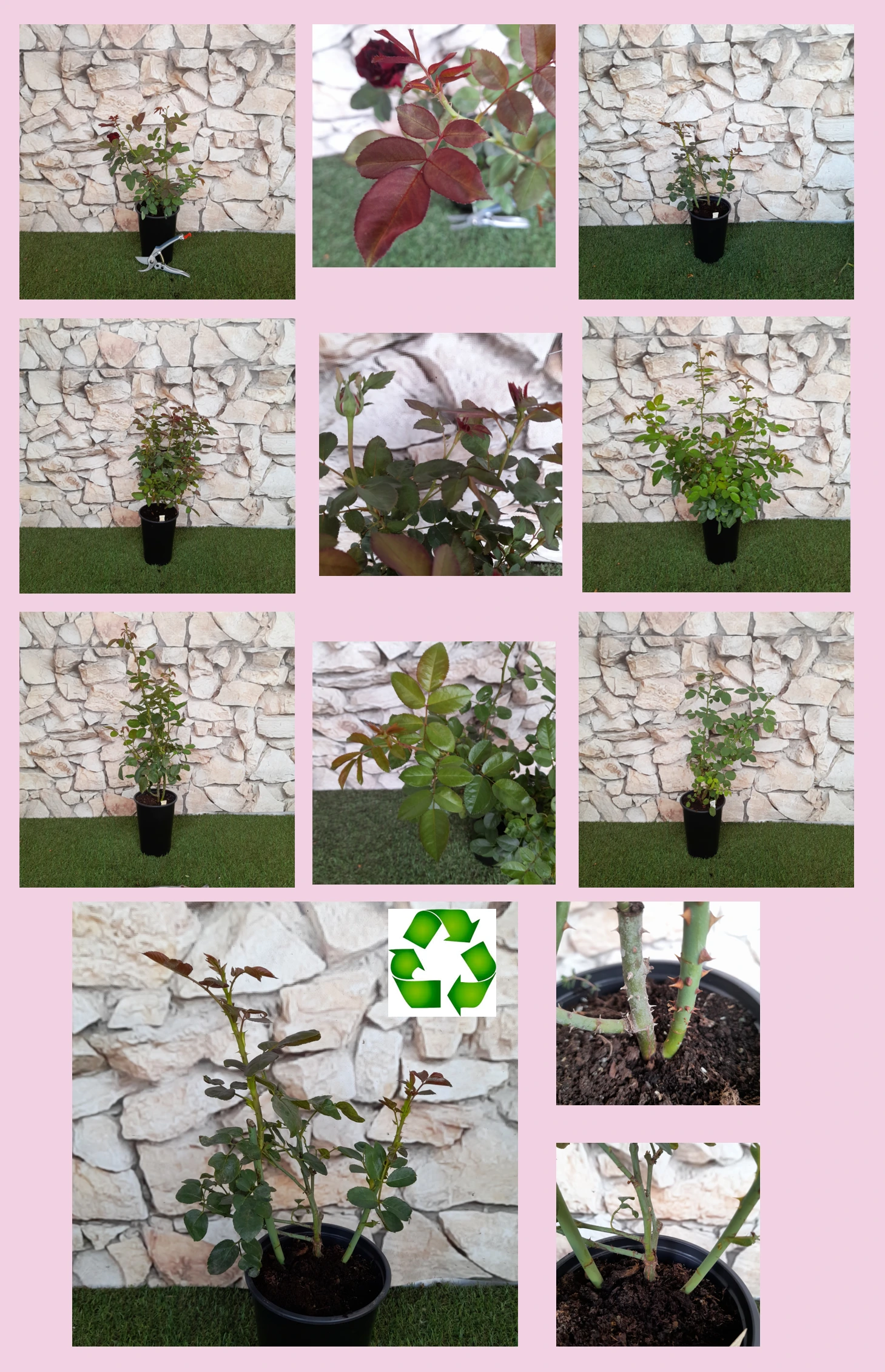
PRINCESS MEIKO – pink hybrid tea rose – Kunieda
With its vivid pink rosettes and compact habit, PRINCESS MEIKO brings an instantly romantic, storybook feel to small family gardens while coping well with breezy, wetter weather and heavier soils when planting is sensibly prepared. This bushy, premium garden hybrid tea was bred for reliability in professional cut-flower fields, so in a home setting it translates into consistently neat growth, steady flowering and excellent garden health with very little intervention. Its glossy dark foliage sets off the bright blooms beautifully, giving a refined cottage look that is easy to manage in mixed borders or larger containers. As an own-root rose it offers reassuring longevity, regrowing strongly from the base if ever cut back hard, so you can shape it freely for hedging, low screens or focal plants without fear. Over time the plant anchors firmly, building a stable root system that supports dependable performance and flowering. In a 2-litre pharmaROSA ORIGINAL pot it is straightforward to handle at planting, settling quickly into beds or 40–50 litre pots with minimal maintenance. Within a few seasons, its compact, bushy outline and rich, long-lasting colour create a quietly luxurious cottage-garden centrepiece that remains easy to live with for years of relaxed enjoyment.
Usage options
| Target area | Reasoning |
|---|
| Small front garden focal point |
The compact, bushy hybrid tea form makes PRINCESS MEIKO ideal for modest plots where space is tight but a strong splash of colour is desired. Its vivid, uniform pink blooms stand out against dark green foliage, creating a polished focal point that looks intentionally designed rather than overpowering a small space. Low maintenance needs suit busy lifestyles and limited time for upkeep, while own-root growth supports long-term planting plans for homeowners. |
| Romantic cottage-style border |
Planted among perennials such as bearded irises and coneflowers, the intense pink rosettes deliver the “girly” English cottage look with very little effort. The bushy habit fills gaps neatly, and repeat flowering helps keep the border colourful beyond peak early summer. Own-root vigour supports gradual thickening into a stable clump, so the planting scheme matures gracefully rather than needing frequent replacements for cottage-garden lovers. |
| Low flowering hedge or edging row |
Recommended spacings allow PRINCESS MEIKO to form a low, continuous hedge, ideal for edging paths or separating a kitchen garden from the main lawn. Dense foliage and regular flowering provide a tidy, defined line with romantic character. As an own-root plant it responds well to trimming or harder pruning without weakening, giving flexibility for shaping over the years for family gardeners. |
| Feature rose in large containers |
In 40–50 litre pots, this variety keeps a compact, upright bush that works beautifully near seating areas or by a front door. The strong colour holds well, so potted plants remain showy between flushes without looking washed out. Container culture also suits sites with heavier clay, as drainage can be better controlled while still enjoying a classic rose near the house for urban balcony and patio owners. |
| Cutting patch for home arrangements |
Bred originally as a cut-flower rose, PRINCESS MEIKO produces elegant, small rosette blooms on straight stems, perfect for informal jam-jar posies or simple table vases. While flower size is modest, the rich pink tone and very double form read as luxurious indoors. Ongoing repeat flowering means you can cut stems through the season without leaving the garden bare for home florists. |
| Coastal or wind-exposed family plots |
The bushy, relatively low habit and good disease resistance help this rose stay presentable where wind and rain can mark more delicate varieties. Its robust foliage and stable framework cope well with movement, provided soil preparation ensures decent drainage. This makes it a practical choice for open, breezier sites where resilient but pretty plants are needed for coastal homeowners. |
| Mixed planting with shrubs and grasses |
The strong, consistent pink and glossy leaves contrast effectively with structural companions such as New Zealand flax or smaller ornamental grasses. This lets you add a romantic accent into more contemporary mixed plantings without creating a fussy maintenance burden. Own-root durability means the rose can share space with vigorous neighbours while remaining a reliable, long-term feature for design-conscious gardeners. |
| Easy-care family back garden rose |
With good resistance to common fungal diseases, this variety keeps foliage cleaner, reducing the need for spraying and labour-intensive care. Its unscented flowers avoid cloying perfume around seating or children’s play areas, yet still give a clear romantic look. Over the first years it builds a secure root system that supports strong top growth and dependable flowering for busy beginners. |
Styling ideas
- TEA-TIME ARCH – Train several bushes along a low, curved support to frame a bench, underplant with lavender and catmint for a soft, scented skirt – ideal for romantic cottage-garden admirers.
- PINK-POT DUO – Plant two specimens in 50-litre terracotta containers flanking French doors, pairing with trailing thyme or ivy for all-season structure – suited to urban terrace and patio owners.
- KITCHEN-EDGE ROW – Form a neat low hedge between vegetable beds and lawn, intersperse clumps of chives and marigolds for a productive yet pretty boundary – perfect for family kitchen-garden keepers.
- BREEZY-BORDER MIX – Combine with bearded iris, rudbeckia and low grasses in a sunny, slightly wind-exposed border for movement, colour and minimal fuss – good for low-maintenance rural plots.
- CUTTING-CORNER – Dedicate a small square bed by the shed for PRINCESS MEIKO and simple fillers like gypsophila, giving easy access to stems for vases – appealing to home flower-arranging enthusiasts.
Technical cultivar profile
| Parameter | Data |
|---|
| Name and registration |
PRINCESS MEIKO – pink hybrid tea rose, commercial hybrid tea group; exhibition type suitable for cut flowers and show gardens, marketed as a premium own-root garden rose for family spaces. |
| Origin and breeding |
Hybrid tea bred by Keiji Kunieda at Rose Farm Keiji (Wabara), Moriyama, Japan; breeding completed in 2018, introduced to the market from 2019 via specialist cut-flower and garden rose channels. |
| Awards and recognition |
Recognised with a Russian Gold Medal at a Moscow competition in 2019, confirming its ornamental quality and performance among international judges in show conditions and professional exhibition settings. |
| Growth and structural characteristics |
Bushy, upright shrub reaching approximately 70–95 cm in height with a 45–60 cm spread; dense, glossy, dark green foliage and moderate prickliness; suitable for borders, low hedging and large containers. |
| Flower morphology |
Small, very double rosette blooms with more than 40 petals, borne mainly solitary on stems; remontant habit with a notably abundant second flush providing repeated ornamental value through the season. |
| Colour data and phenology |
Uniform, vivid pink flowers (RHS 57B–57C) from bud to full rosette; colour holds well with only slight softening over time, and shows no notable fading in strong light, keeping displays bright and consistent. |
| Fragrance and aroma |
Primarily a visual ornamental rose with no noticeable fragrance; heavily double flowers focus on form and colour rather than scent, suiting seating areas where strong perfume might be overwhelming. |
| Hip characteristics |
Limited hip formation expected due to very double blooms that reduce fertilisation; where present, hips are small, spherical, around 7–10 mm, and red (RHS 40A), with minor decorative impact in autumn. |
| Resistance and winter hardiness |
Good resistance to powdery mildew, black spot and rust; suitable for colder regions down to about −21 to −18 °C (RHS H7, USDA 6b, Swedish zone 3), supporting reliable garden performance in typical UK winters. |
| Horticultural recommendations |
Low-maintenance garden rose; space 40–80 cm depending on use. Best in well-prepared soil with good drainage; works in borders or 40–50 litre containers, responding well to standard pruning regimes. |
PRINCESS MEIKO offers vivid, long-lasting pink blooms, a compact, easy-care habit and durable own-root growth, making it a thoughtful choice for relaxed, romantic family gardens that you wish to enjoy for many seasons to come.