BLUE PETER™ – purple dwarf-mini rose - De Ruiter
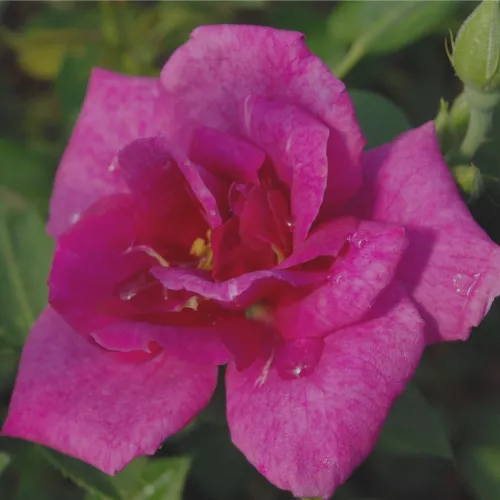
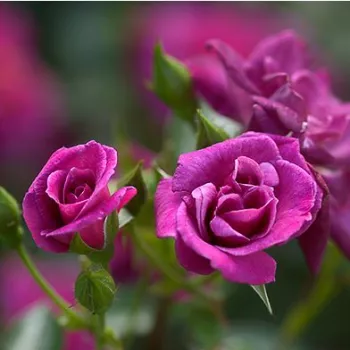
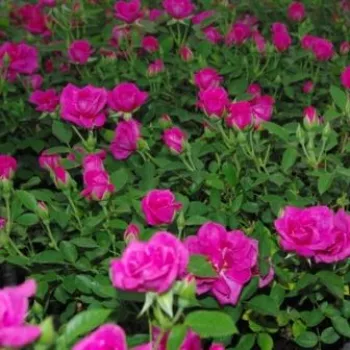
This neat miniature rose brings a touch of storybook romance to everyday gardens: compact, refined and perfectly sized for cottage-style borders, small front gardens or a pretty pot by the back door. Masses of double blooms open in vibrant lavender-purple before softening through lilac tones, giving long-lasting colour that pairs beautifully with soft pastels and kitchen-garden planting. Its naturally compact habit and moderate prickles make it easy to tuck into narrow beds, while strong health keeps maintenance pleasantly light. Grown on its own roots, it builds up steadily and can regenerate well after harder pruning, supporting a long ornamental life with minimal fuss. With good disease resistance and reliable repeat flowering, it is well suited to typical British family plots, even where summers are cool and humid. In a larger 40–50 litre container or a raised bed, it settles quickly, and in many gardens you can simply plant, water, mulch and enjoy the developing colour. Over its first seasons it thickens into an attractive, low cushion of blooms that feels wonderfully at home in a traditional, “girly” cottage setting.
Usage options
| Target area | Reasoning |
|---|
| Small front garden or narrow border |
The naturally compact, low habit fits tight spaces without overwhelming paths or windows, ideal where you want tidy structure and colour in a small footprint. Especially suitable for the busy, space-conscious homeowner. |
| Romantic cottage-style mixed bed |
Clusters of lilac-purple flowers that fade softly through pastel tones give a consistently romantic, “girly” cottage look, weaving easily among perennials and herbs. Perfect for lovers of traditional, storybook gardens. |
| Low-maintenance family planting |
Good resistance to black spot, mildew and rust keeps spraying and troubleshooting to a minimum, so routine care is mainly watering, basic feeding and light deadheading. Ideal for time-poor, stress-averse beginners. |
| Own-root, long-term garden feature |
Being grown on its own roots, it gradually forms a durable, stable shrub that can re-shoot from the base if cut back, offering a long lifespan and dependable form. Reassuring for those planning a long-term family garden. |
| Containers and large patio pots |
The dwarf size and compact structure make it well suited to large 40–50 litre pots, where roots have space to anchor and cope better with sun, wind and everyday family use. A practical choice for terrace and balcony owners. |
| Season-long flowering focus point |
Remontant flowering means repeated flushes from early summer onwards, so once established you can expect regular colour rather than a brief display, especially with light deadheading. Appealing to those who value continuous seasonal interest. |
| Cool, humid British conditions |
Strong overall health and resistance make it a good option where damp, changeable weather and fungal pressure are common, helping foliage stay presentable despite rainy spells and coastal breezes. Helpful for UK-based, weather-wary gardeners. |
| Easy-care development over the first years |
After planting, it focuses on roots in year one, builds bushier shoots and repeat bloom in year two, and by year three delivers its full ornamental effect with only modest pruning. Suits patient but busy cottage-style enthusiasts. |
Styling ideas
- Cottage-curve border – Plant Blue Peter™ in a loose curve near the front of a border, threading between soft pink lupins and airy grasses for a romantic, cottagey edge – for homeowners wanting gentle structure and charm.
- Kitchen-garden gateway – Flank a path to vegetable beds with short rows of this compact rose, underplanted with thyme and chives for a pretty, practical kitchen-garden entrance – for families who like a traditional potager feel.
- Pastel patio pot – Grow one or three plants in a 40–50 litre terracotta tub with trailing white lobelia to soften the rim, creating an easy, long-flowering patio feature – for balcony and terrace gardeners seeking colour with little fuss.
- Storybook front step – Place a single container either side of a front door, pairing with dwarf box or spindle for year-round framework and lilac summer blooms – for those wanting a welcoming, romantic doorway.
- Low fairy hedge – Use closely spaced plants (around 25 cm apart) to form a low, flower-rich edging along a path or lawn, clipping only lightly to keep a soft outline – for cottage-garden lovers who enjoy neat but dreamy borders.
Technical cultivar profile
| Parameter | Data |
|---|
| Name and registration |
Miniature, dwarf rose; registered as RUIblun, traded as Blue Peter™ Mini - dwarf rose RUIblun; ARS exhibition name Blue Peter; part of the Mini - dwarf rose collection. |
| Origin and breeding |
Bred by Gerrit De Ruiter in the Netherlands from ‘Little Flirt’ × unknown seedling; introduced and registered in 1983, first distributed in the United Kingdom by Fryer’s Roses. |
| Growth and structural characteristics |
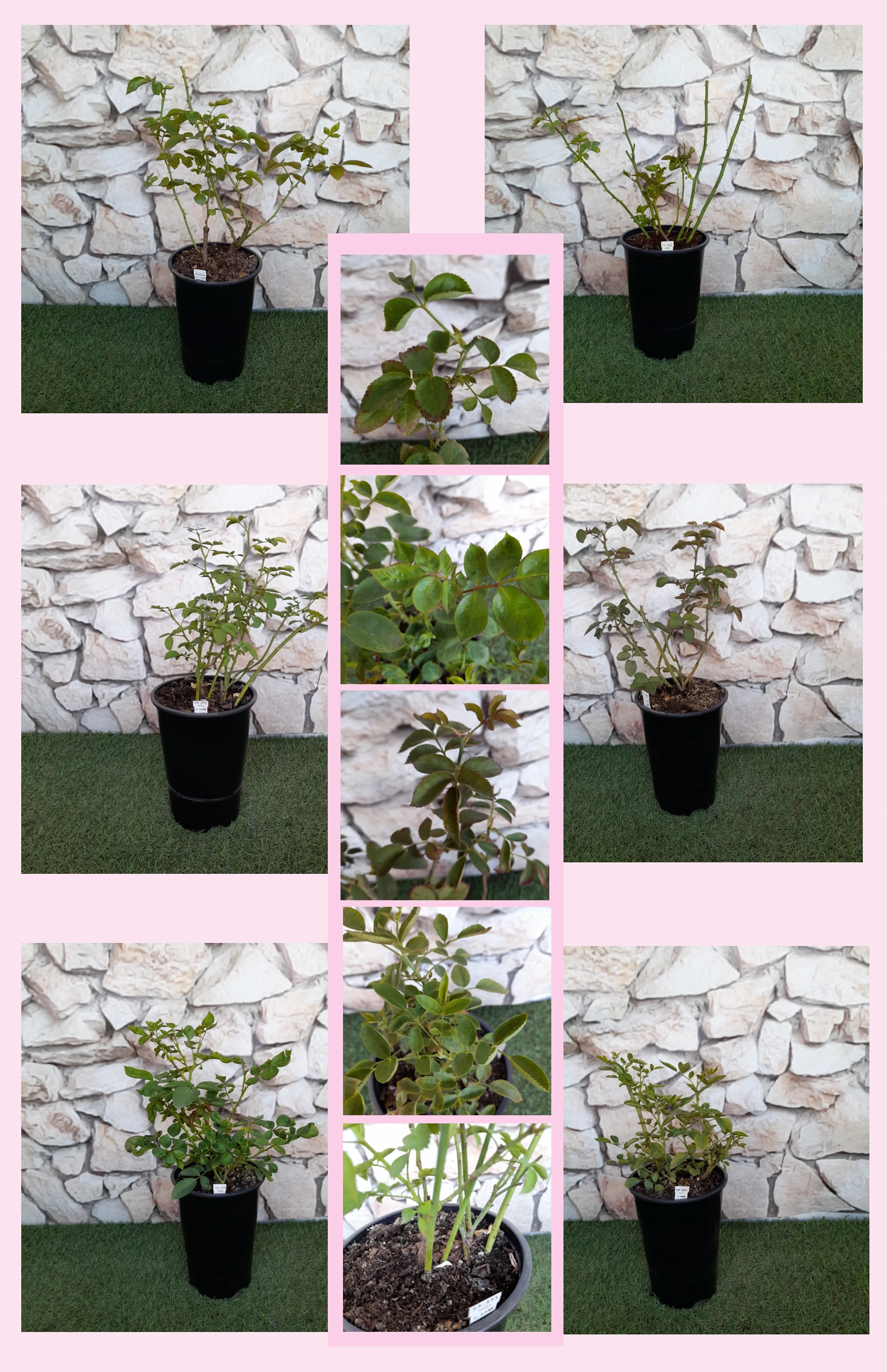
Compact, bushy miniature with moderately dense, slightly glossy light green foliage; height around 35–45 cm, spread 30–40 cm; moderately thorny, forming a low, tidy cushion of growth. |
| Flower morphology |
Small, double flowers (S, 0.5–1.5 in) with 26–39 petals; cup-shaped blooms borne mostly in clusters; remontant, with an abundant second flush and good repeat through the season. |
| Colour data and phenology |
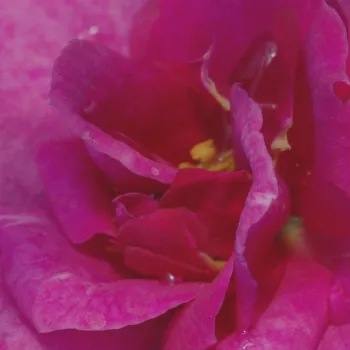
Mid-tone lilac-purple with a silvery undertone; buds deep violet-purple, opening lavender-purple then fading to soft pastel lilac with rosy-grey edges; colour lightens further in strong sunlight. |
| Fragrance and aroma |
Medium-strength fragrance with a soft, musky character; clearly noticeable at close range, adding sensory interest without overwhelming nearby seating or small, enclosed garden spaces. |
| Hip characteristics |
Forms small, spherical orange-red hips 5–7 mm across only occasionally; ornamental effect modest, with the main decorative value provided by prolonged flowering rather than fruiting. |
| Resistance and winter hardiness |
Good resistance to powdery mildew, black spot and rust; hardy to about -21 to -18 °C (RHS H7, USDA 6b, Swedish zone 3); tolerates warm spells but needs watering during prolonged drought. |
| Horticultural recommendations |
Best in a sunny position with well-drained soil; plant 25–55 cm apart depending on use; low maintenance, mainly watering, feeding and occasional deadheading; suitable for beds, borders and containers. |
BLUE PETER™ offers compact lilac blooms, strong health and reliable repeat flowering on a durable own-root plant; a thoughtful choice if you seek long-lasting colour with easy care.