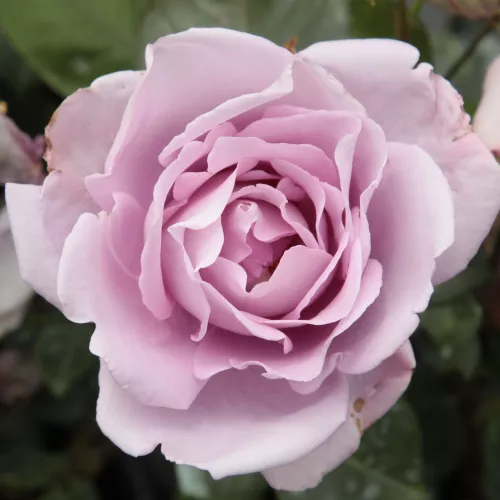
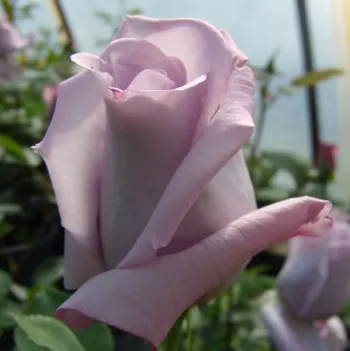
ROSA FOETIDA BICOLOR – orange landscape shrub rose
With its storybook two‑tone blooms and rich perfume, this historic shrub rose brings a sense of country‑garden romance to everyday family plots while coping reliably with brisk coastal breezes and exposed sites. The fiery orange‑red and yellow flowers appear once in a dramatic spring flush, then the bushy, upright framework and autumn hips carry the display through the seasons with lasting structure. As an own‑root plant, it establishes for the long term, quietly building a deep foundation, then stronger shoots, then full ornamental presence over several years for dependable longevity. Its self‑cleaning single blooms and tolerant nature make seasonal care pleasantly simple, while the dense prickles lend practical security in informal hedges. Strong fragrance and open, nectar‑rich flowers create a lively wildlife focus, yet the overall effect remains surprisingly refined beside a cottage terrace or kitchen‑garden path.
Usage options
| Target area | Reasoning |
|---|
| Cottage-style specimen near terrace or seating |
Planted as a single shrub near your seating area, its once‑a‑year flush of fiery bicolour flowers and strong, sweet‑spicy fragrance create a romantic focal point for afternoon tea or evening unwinding. Own‑root vigour supports long service life with modest seasonal care, suiting hobby gardeners. |
| Informal hedge or living screen |
The bushy, upright habit and dense prickles make it well suited to informal boundary hedges or screening between garden areas, where it offers both visual enclosure and a deterrent to pets or intruders. Maintained with light pruning, it forms a durable, characterful barrier for family buyers. |
| Wildlife-friendly and bee garden strip |
The single, open blooms with exposed golden stamens are particularly attractive to bees and other pollinators, while autumn hips provide food for birds and small mammals. This makes it ideal along a wildlife strip at the edge of lawns or kitchen gardens for nature lovers. |
| Low-maintenance mixed shrub border |
Good self‑cleaning means the petals fall cleanly after flowering, reducing the need for deadheading and keeping borders tidy with very little intervention. Combined with moderate disease resistance and drought tolerance, it suits busy gardeners wanting reliable structure with minimal tasks, particularly beginners. |
| Sunny, exposed or drier positions |
Its strong tolerance of heat and limited watering allows it to perform well in sunny, breezy spots where other roses might flag, needing only occasional deeper watering during prolonged dry spells. This suits smaller gardens where irrigation is minimal and summers can be demanding for urban owners. |
| Traditional rose and perennials cottage border |
The vivid copper‑red and yellow flowers provide a dramatic, old‑fashioned accent among herbaceous perennials and other shrubs, especially in English cottage‑style layouts with soft planting around. Maintaining the rounded shrub framework is straightforward and forgiving for cottage‑style enthusiasts. |
| Background planting against walls or fences |
Used as a taller background shrub behind lower roses or herbs, it offers a striking backdrop in bloom and a structural green presence afterwards. Its ability to handle exposed, breezy boundaries makes it valuable where fences catch prevailing winds for practical homeowners. |
| Impenetrable barrier around kitchen garden |
Planted in a line with recommended spacing, the densely prickled stems form a protective, traditional barrier around vegetable or fruit areas, helping guide foot traffic while supporting a cottage‑garden look. This practical yet decorative role appeals strongly to kitchen‑garden keepers. |
Styling ideas
- Kitchen‑garden edge – Plant as a loose, prickly boundary around raised beds, underplant with calamint and thyme; ideal for those combining productivity with a traditional working‑garden feel – kitchen‑garden keepers
- Storybook focal shrub – Place a single plant by a bench, surround with lavender and old brick paving for a romantic reading corner – cottage‑style enthusiasts
- Wildlife avenue – Alternate with other shrub roses along a path, weave in phlox and verbena to extend nectar season – nature lovers
- Protective hedge – Use in a staggered row along boundaries, mixing with hawthorn or field maple for a rustic, bird‑friendly screen – practical homeowners
- Sunny courtyard frame – In a raised bed by a south‑facing wall, combine with airy grasses and calamint for movement and scent – urban owners
Technical cultivar profile
| Parameter | Data |
|---|
| Name and registration |
Rosa foetida bicolor, a historic botanical shrub rose marketed as ROSA FOETIDA BICOLOR – orange landscape shrub rose; American Rose Society exhibition name R. foetida bicolor; unregistered sport. |
| Origin and breeding |
Natural bud sport of Rosa foetida known before 1590, with no recorded breeder or breeding institution; parentage beyond the sport relationship is unknown, adding to its heritage character. |
| Awards and recognition |
Recognised in American rose shows with Genesis class wins and a Dowager Rose Queen title around 1999–2000, underlining its value as a historic cultivar of lasting interest to collectors. |
| Growth and structural characteristics |
Bushy, upright shrub of moderate density with light to medium green foliage and densely prickled stems; forms a substantial, architectural plant suited to hedging, background planting and specimen roles. |
| Flower morphology |
Large, single, cupped blooms with around 5–12 petals, borne in clusters; not remontant, flowering once in a significant seasonal flush, after which self‑cleaning petals drop to reveal stamens and forming hips. |
| Colour data and phenology |
Fiery orange‑red upper petal surfaces with clear yellow reverses (RHS 30A outer, 32B inner), golden stamens and strong bicolour effect; colour retention moderate, with tones softening to red‑orange as blooms age. |
| Fragrance and aroma |
Strong, clearly noticeable scent with a rich, sweet‑spicy character and subtle liquorice‑anise notes; fragrance is appreciable outdoors around seating areas, especially in still, warm weather conditions. |
| Hip characteristics |
Produces small spherical orange‑red hips, about 8–10 mm across, which persist into autumn; hips offer good wildlife value as food for birds and small mammals, extending seasonal ornamental interest. |
| Resistance and winter hardiness |
Very frost hardy, tolerating approximately −40 to −35 °C (USDA 3a, RHS H6, Swedish Zone 6); heat and drought tolerance good, though moderate resistance to powdery mildew and prone to black spot in still, damp sites. |
| Horticultural recommendations |
Prefers full sun but tolerates partial shade; space generously for airflow to limit disease. Plant singly, in hedges or groups; in smaller gardens, use as a structural shrub or in large beds rather than containers. |
ROSA FOETIDA BICOLOR offers fiery bicolour spring display, strong fragrance and dependable shrub structure as a long‑lived own‑root rose, making it a thoughtful choice for traditional, low‑fuss family gardens.