BLACKBERRY NIP™ – purple tea-hybrid rose – Somerfield
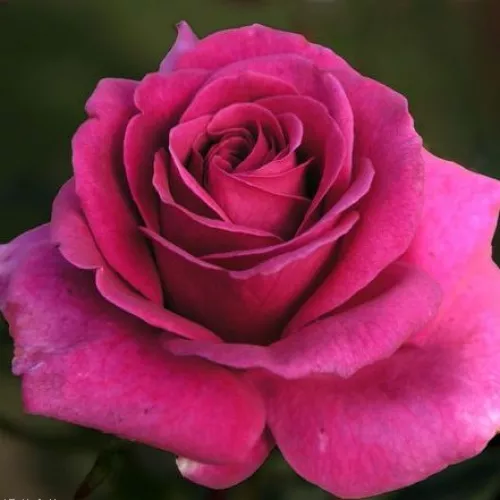
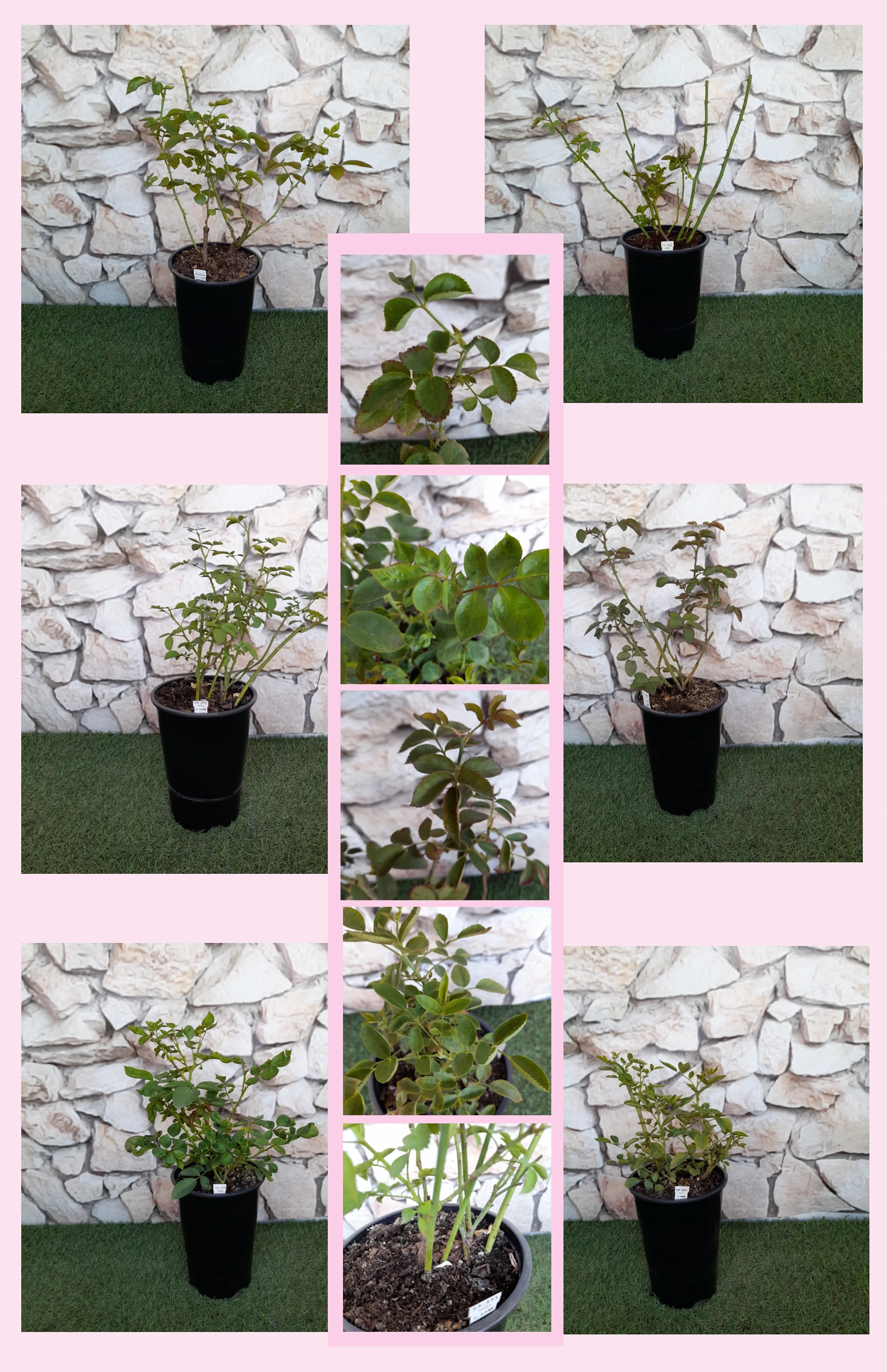
This distinctive hybrid tea brings a mood of romance to the family garden, its velvety plum-purple blooms and sweetly spicy fragrance evoking cottage afternoons and quiet tea on the terrace. Bred for repeat flowering, it offers generous blooms on a bushy framework, creating a richly coloured focal point from mid-season onwards. As an own-root rose, it is designed for long, steady longevity in your borders, slowly building strength below ground while remaining visually stable and reliable above. Over time, this provides reassuring ease for gardeners, even where strong winds and frequent showers sweep in from the coast, and it rewards simple, regular care with an enduring, storybook presence.
Usage options
| Target area |
Reasoning |
| Feature rose beside a seating area |
Large, very double, high‑centred flowers carried singly on long stems make this an excellent choice beside a favourite bench or patio chair, where the very strong, sweetly spicy scent can be enjoyed at close quarters by a fragrance‑loving homeowner |
| Romantic cottage‑style border |
The bushy, medium‑tall habit and dense grey‑green foliage allow it to sit comfortably among perennials and herbs, providing deep plum‑purple accents that repeat through the season for a soft, traditional look valued by cottage‑garden enthusiasts |
| Cut‑flower and indoor display corner |
Originally selected as an exhibition tea hybrid, it produces long‑stemmed, high‑centred blooms that hold their form and scent in the vase, suiting gardeners who like to cut armfuls of richly coloured roses for the house and table‑setting hosts |
| Specimen rose in a small front garden |
With a mature height of around 100–140 cm and a spread of 85–115 cm, one plant makes a clear focal point without overwhelming a modest space, giving reliable structure and colour for those wanting a single, standout rose for kerb appeal‑minded buyers |
| Raised beds on heavier soils |
The own‑root plant establishes steadily, responding well to improved drainage and mulching in raised beds, supporting long‑term health in typical UK clay and chalky conditions for practical gardeners managing heavier ground and soil‑aware beginners |
| Large container on terrace or balcony |
In a minimum 40–50 litre container with regular watering and feeding, its bushy growth and repeated flowering create a generous presence in confined spaces, ideal for city patios and balconies used by busy but style‑conscious urban residents |
| Family seating area in breezier gardens |
Sturdy stems and a compact bush tolerate exposed sites, continuing to flower even where showery, windy weather is frequent, suiting coastal or open‑plot settings for families wanting dependable colour despite lively conditions and practical garden‑sharing households |
| Low‑maintenance mixed rose group |
Moderate disease resistance, good self‑cleaning of spent blooms and medium maintenance needs mean only occasional grooming and checks are required, fitting into planting plans where time is limited but long‑term enjoyment matters for relaxed, low‑effort gardeners |
Styling ideas
- Tea‑table focus – Place Blackberry Nip™ near a small seating nook, underplant with Calamintha and soft grasses for movement and scent – for those who like intimate afternoon tea corners
- Cottage ribbon – Thread it through a border with blue globe thistle, hardy geraniums and foxgloves for a romantic, informal English look – for cottage‑style romantics
- Front‑door welcome – Grow one plant in a 50‑litre clay pot flanking the entrance, paired with trailing ivy and seasonal bulbs – for homeowners keen on classic, tidy kerb appeal
- Kitchen‑garden charm – Position along a path by herbs and vegetables, where repeat blooms and scent soften productive beds – for those who enjoy blending ornamental and edible spaces
- Evening perfume – Combine with pale, reflective flowers and simple evergreens to highlight its fragrance on warm nights – for night‑garden appreciators
Technical cultivar profile
| Parameter |
Data |
| Name and registration |
Hybrid tea rose marketed as BLACKBERRY NIP™ – purple tea‑hybrid rose – Somerfield; ARS exhibition name Blackberry Nip; collection and commercial group hybrid tea rose. |
| Origin and breeding |
Bred by Rob Somerfield, Glenavon Roses Ltd, Tauranga, New Zealand; parentage unknown; introduced and registered in 1996, initially distributed by Glenavon Roses in New Zealand. |
| Awards and recognition |
Silver Star of the South Pacific and Certificate of Merit, Palmerston North International Rose Trial Garden 1998; Auckland Rose of the Year and local fragrance award in 1999. |
| Growth and structural characteristics |
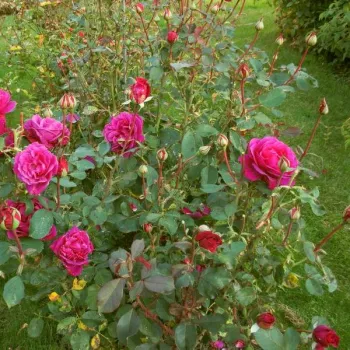
Bushy, medium‑tall shrub around 100–140 cm high and 85–115 cm wide, densely thorned, with plentiful grey‑green, slightly glossy foliage forming a full, leafy framework. |
| Flower morphology |
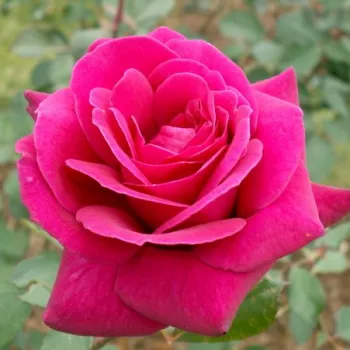
Large, solitary, exhibition‑type blooms with high‑centred, pointed buds; very double with 40+ petals; remontant habit gives generous repeat flushes after the main summer flowering. |
| Colour data and phenology |
Rich plum‑purple with magenta overtones, velvety texture and silver‑edged outer petals; dark buds open to intense colour, gradually softening to violet‑pink tones in stronger sun. |
| Fragrance and aroma |
Very strong, long‑lasting perfume with a sweetly spicy character; best appreciated at close range around seating areas or in cut‑flower arrangements indoors. |
| Hip characteristics |
Rarely forms hips; when present, they are small red spheres about 4–6 mm in diameter, offering only minor ornamental interest at the end of the season. |
| Resistance and winter hardiness |
Hardy to approximately −21 to −18 °C (RHS H7, USDA 6b, Swedish zone 3) with moderate resistance to black spot, powdery mildew and rust under typical garden conditions. |
| Horticultural recommendations |
Best used as a border, specimen or cut‑flower rose; prefers full sun or light shade, regular feeding, and watering during prolonged dry spells; medium maintenance with occasional pest checks. |
BLACKBERRY NIP™ rewards you with richly scented, exhibition‑style blooms, dependable repeat flowering and durable own‑root growth that settles in for the long term, making it a considered choice for a characterful family garden.