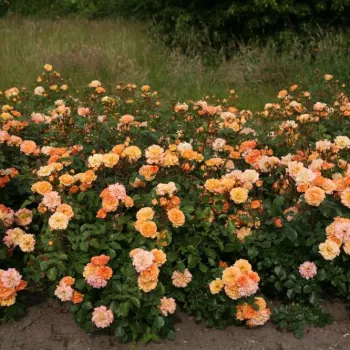
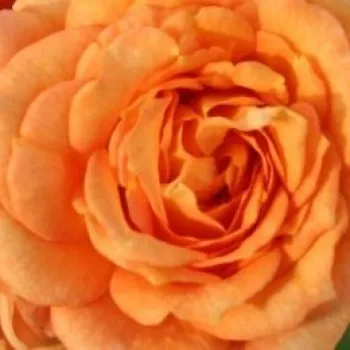
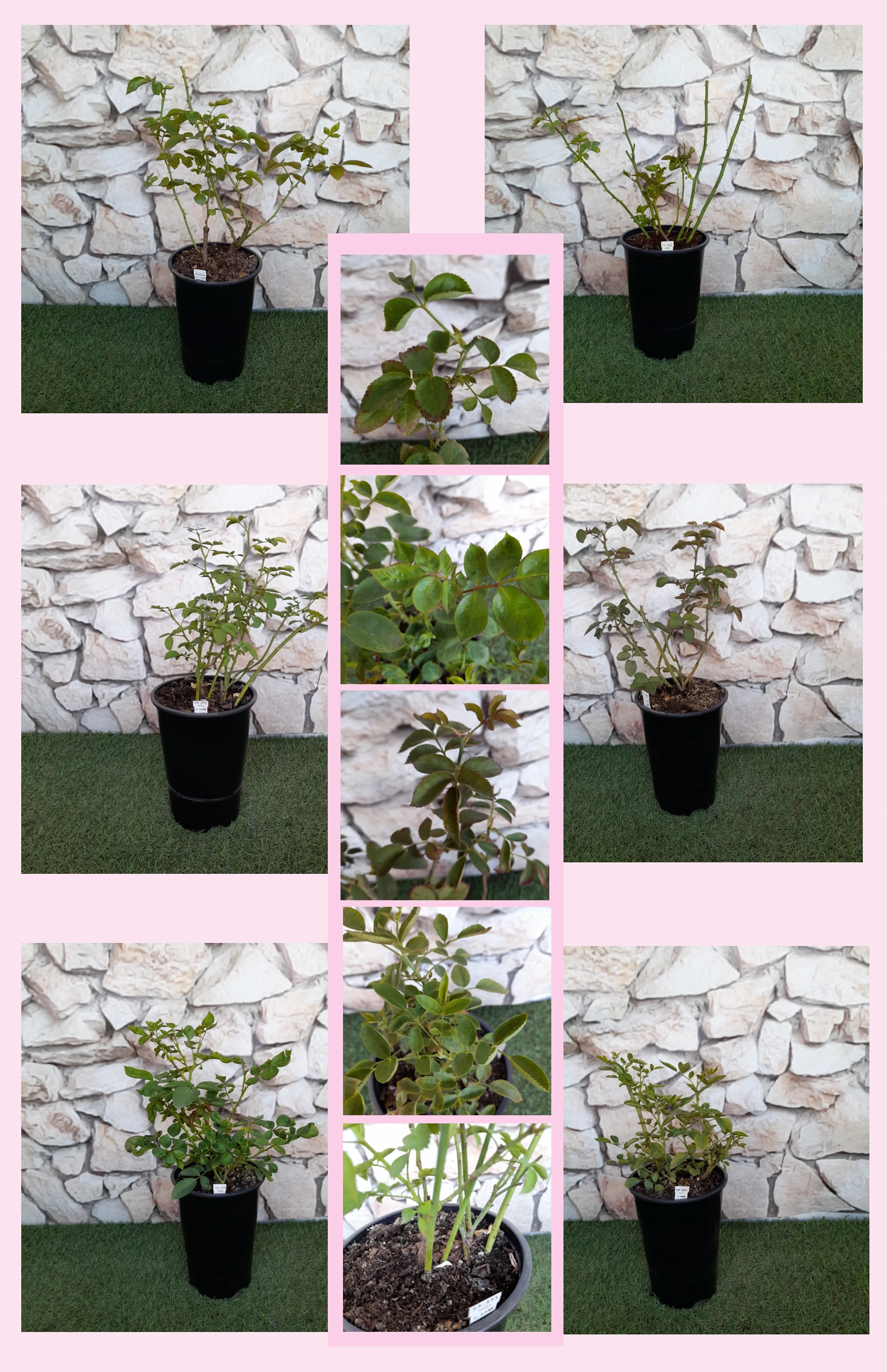
BENTHEIMER GOLD ® – orange bedding floribunda rose – Kordes
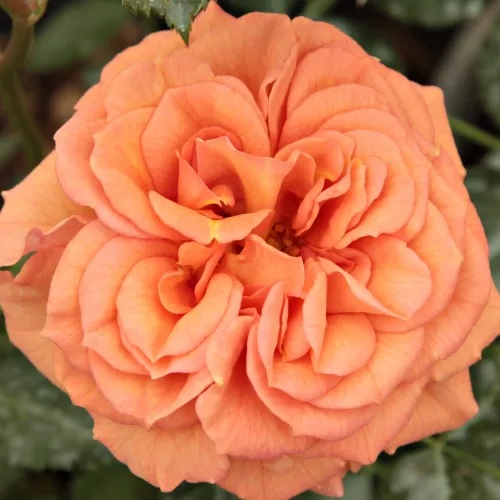
This compact floribunda brings cosy, storybook charm to everyday gardens with warm orange-peach blooms that settle beautifully into mixed borders and small beds, even where breezes and showers are frequent near exposed coasts. Its bushy habit and dense foliage create a cottage feel around seating areas, paths, or a modest kitchen plot, while container-grown, own-root plants offer reassuring stability and long-term ornamental value. Given regular feeding and simple deadheading, the remontant flowering delivers season-long colour for relaxed afternoon-tea moments, and its medium, fruity fragrance adds a gentle aroma without overwhelming nearby spaces. In larger pots of at least 40–50 litres it becomes a versatile feature by a doorway or terrace, and with consistent plant protection the foliage stays attractively green and neat, rewarding even busy or beginner gardeners with dependable, low-fuss impact over time.
Usage options
| Target area |
Reasoning |
| Small family flower bed near a terrace |
The compact, bushy, upright habit fills a modest border without overwhelming nearby seating, while medium-sized, very double blooms repeat reliably through the season for an inviting, romantic backdrop to family life. With regular feeding, watering and simple spraying routines, it stays attractive for hobby gardeners who enjoy visible results with manageable effort for the time-poor homeowner. |
| Cottage-style mixed border with perennials |
Clusters of warm orange to apricot-yellow flowers weave naturally among foxgloves and ornamental grasses, echoing an English countryside cottage look. The dense foliage gives structure between flowering waves, and the soft colour fade pairs well with pastel herbaceous schemes. Consistent disease management keeps leaves tidy, supporting that lived-in, storybook charm for the romantic cottage-gardener. |
| Low informal hedge along a path |
Regular planting at 40–50 cm creates a continuous, low hedge that guides the eye and frames lawns or vegetable plots. Bushy growth and moderate prickliness help define boundaries without feeling harsh. With routine pruning and plant protection, it forms a neat, long-lived line of colour that suits the traditional garden-owner. |
| Feature rose in a large patio container |
In a 40–50 litre or larger container, its upright, bushy form becomes a compact focal point beside benches or doorways, ideal where soil conditions are poor or space is limited. Container culture also simplifies watering and targeted spraying, helping maintain blossom and foliage quality for the urban balcony-gardener. |
| Sunny kitchen garden edge |
Planted along vegetable beds, it brings warm, fruity-scented colour that softens the transition between crops and ornamental planting. Own-root stock offers good regenerative capacity after harder pruning if plants become leggy or need rejuvenation. With timely feeding and protection, it gives steady, decorative value for the practical kitchen-gardener. |
| Exposed, breezy family plots |
The relatively low, sturdy framework and dense leaf mass help it sit firmly in the soil and move less in the wind, giving a composed look in typical British breezes and showers that roll through open, suburban gardens. Regular health care keeps this structure reliable for the wind-battered plot-owner. |
| Long seasonal display with repeat flowering |
Remontant flowering with an abundant second flush ensures that, after the first summer display, more clusters follow, providing months of interest rather than a brief show. Routine deadheading and feeding channel energy into new buds, rewarding even modest care with continued blooms for the flower-hungry beginner. |
| Long-term planting in family gardens |
As an own-root rose, this variety is not reliant on graft unions, so if stems are pruned hard or frost-damaged it can regrow true from its own base, supporting a longer planting life and steadier appearance. This regenerative habit makes it a sound, reassuring choice for the long-view homeowner. |
Styling ideas
- Kitchen-hedge – Run a loose row along raised vegetable beds, mixing its orange clusters with blue sage and chives – ideal for cottage-plot families.
- Patio-centrepiece – Place one plant in a 50-litre clay pot with trailing thyme at the rim – suited to small-terrace urban dwellers.
- Cottage-drift – Mass three to five plants with foxgloves and airy grasses for a soft, storybook sweep – perfect for romantic border enthusiasts.
- Path-edging – Stagger plants on either side of a gravel path, tying their colour into warm-toned paving – good for traditional front-garden owners.
- Bench-nook – Position near a garden seat with pastel perennials so the fruity scent drifts across at rest times – appealing to evening-tea gardeners.
Technical cultivar profile
| Property |
Data |
| Name and registration |
Floribunda bed rose, registered as KORbentgol, marketed as Bentheimer Gold ® RigoRosen® KORbentgol; shrub rose type for ornamental bedding and flowerbed use in private gardens. |
| Origin and breeding |
Bred by Tim-Hermann Kordes, W. Kordes’ Söhne, Germany, from an unknown Kordes seedling × ‘Gebrüder Grimm’; bred 2001, introduced and registered internationally in 2015. |
| Awards and recognition |
Holds ADR 2015 German trials rating plus La Tacita Gold Medal 2016, Baden-Baden Bronze Medal 2016 and Bagatelle Certificate of Merit 2017, confirming strong ornamental performance. |
| Growth and structural characteristics |
Bushy, upright shrub reaching about 55–80 cm high and 60–85 cm wide, moderately thorny, with dense, slightly glossy dark green foliage that forms a compact, well-filled bedding rose. |
| Flower morphology |
Medium-sized, very double, cupped flowers with over 40 petals, borne mainly in clusters, remontant with a generous second flush; partial self-cleaning so some spent blooms still benefit from deadheading. |
| Colour data and phenology |
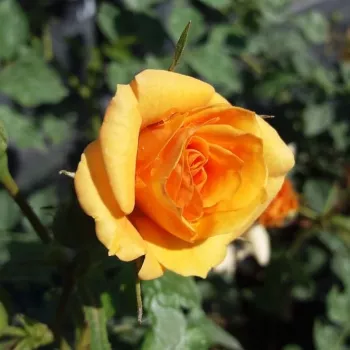
Vibrant orange blooms with peach undertones, ARS code ob, RHS 24B–23A, opening bright and gradually softening to warm apricot-yellow tones, especially in strong sun, with cooler weather retaining colour longer. |
| Fragrance and aroma |
Noticeably scented with a medium-strength, sweet fruity character; fragrance is evident at close quarters around seating or paths, though primarily valued as an ornamental bedding and border rose. |
| Hip characteristics |
Due to very full double flowers, hip set is slight and sporadic; any hips formed remain tiny, around 0–5 mm, and have negligible ornamental effect in normal garden use. |
| Resistance and winter hardiness |
Hardy to around −21 to −18 °C (RHS H7, Swedish zone 3, USDA 6b); disease resistance low, very sensitive to powdery mildew and black spot, so consistent preventive care is recommended. |
| Horticultural recommendations |
Best in sunny, open positions with good soil preparation; spacing 40–75 cm depending on use, at 4–4.6 plants/m² for mass planting, plus regular feeding, watering and plant protection for reliable display. |
Bentheimer Gold ® RigoRosen® KORbentgol offers compact, repeat-flowering colour, warm fragrance and regenerative own-root reliability for long-lived family borders, making it a thoughtful choice when planning a romantic, enduring garden scene.