BENGALI® – peach‑orange bedding floribunda rose – Kordes
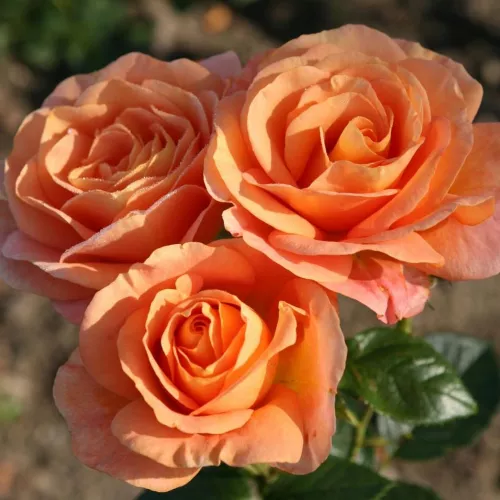
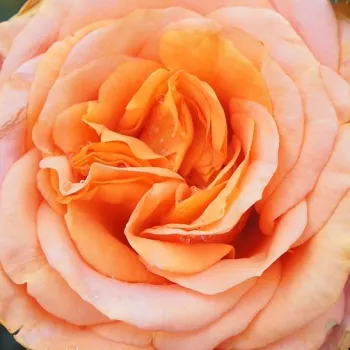
Imagine afternoon tea in a small, leafy garden where peach‑orange blooms create a soft, romantic glow against glossy dark foliage, even where summers are breezy and coastal conditions bring frequent rain and wind. BENGALI® is a tall, upright floribunda that forms a natural, rounded hedge or flowering backdrop, with clusters of semi‑double, cupped flowers that repeat generously from early summer well into autumn. On its own roots it settles gradually yet reliably – think of strong roots in year one, more confident shoots in year two and full garden presence by year three – giving a long‑lived, easy‑care structure for the family garden. The medium, peach‑like fragrance adds a gentle perfume to paths and sitting areas, while good heat tolerance and sturdy growth make it a reassuring choice if you prefer simple, seasonal tasks over constant fussing.
Usage options
| Target area |
Reasoning |
| Romantic cottage-style flowerbed near the terrace |
The upright habit and 130–170 cm height give an instant “storybook” backdrop in a modest border, while repeat clusters of peach-orange blooms keep colour returning through the season with only basic deadheading, ideal for beginners. |
| Low, informal flowering hedge along a path or boundary |
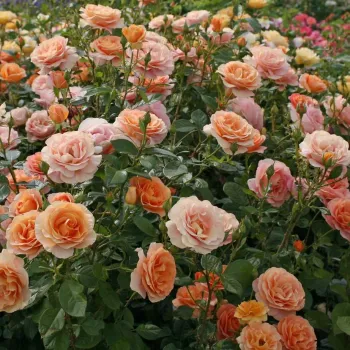
Dense, glossy foliage and balanced branching help BENGALI® knit into a soft, semi-formal hedge at 110–120 cm spacing, giving a long-lived, own-root barrier that recovers well from pruning, ideal for family owners. |
| Feature rose in a mixed cottage border |
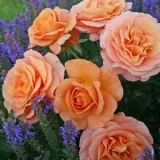
The warm peach-orange palette blends easily with lavenders, catmint and soft pink perennials, while the strong, upright framework anchors looser plants without staking, suiting time-poor homeowners. |
| Large container on a sunny patio or courtyard |
In a 40–50 litre or larger pot with good drainage, its moderate maintenance needs are limited to watering and seasonal pruning, and own-root resilience keeps it attractive year after year for busy urbanites. |
| Kitchen-garden edge or cutting corner |
Medium, cupped clusters are excellent for informal arrangements, and as an own-root plant it rebuilds steadily after cutting, giving reliable stems for vases without specialised techniques for hobby gardeners. |
| Lightly shaded cottage plot with morning or late-afternoon sun |
Partial shade tolerance allows planting where neighbouring houses or trees steal some light; regular flowering continues provided there is a few hours of sun, reassuring for small-plot owners. |
| Exposed, breezy garden with changeable summer weather |
Sturdy, upright growth and good heat tolerance cope with hot spells, while the plant stands up well to typical British gusts and showers, giving dependable structure for coastal and windy-site buyers. |
| Family play garden with informal structure |
Moderately thorny but dense and upright, it forms an attractive background screen rather than a fragile specimen, remaining ornamental for many seasons with simple yearly pruning, ideal for practical parents. |
Styling ideas
- COTTAGE ROW – Plant BENGALI® in a loose row with lady’s mantle and catmint to frame a lawn or path – for lovers of soft, traditional borders.
- TEA CORNER – Place a large container of BENGALI® beside a bistro set, underplanted with thyme and violas – for those who enjoy afternoon breaks outdoors.
- PEACH BREEZE – Combine with white foxgloves and pale pink campanulas to enhance the warm flower colour – for romantics seeking a light, airy scheme.
- KITCHEN EDGE – Line the vegetable patch with BENGALI® and herbs like sage and chives for cutting and scent – for home cooks who like flowers near ingredients.
- FAMILY BACKDROP – Use a staggered row behind a small lawn with hardy geraniums in front – for families wanting a tidy, low-effort garden frame.
Technical cultivar profile
| Parameter |
Data |
| Name and registration |
Floribunda bed rose, Registered as KORbehati, traded as BENGALI® Roses Féeriques®, ARS exhibition name Bengali; part of the Roses Féeriques® collection for bedding displays. |
| Origin and breeding |
Bred by W. Kordes & Sons in Germany, introduced commercially in 2011 after trials; parentage not published, selected for balanced habit and attractive peach-orange cluster flowering. |
| Awards and recognition |
ADR-tested in Germany (2010) and multiple medal winner, including gold in Baden-Baden and Kortrijk and RNRS gold in the UK, confirming ornamental value and garden performance. |
| Growth and structural characteristics |
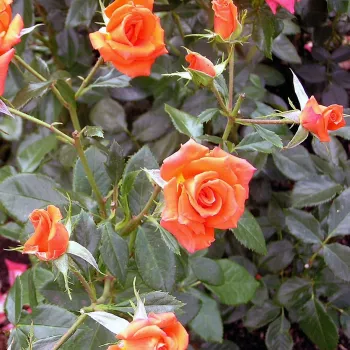
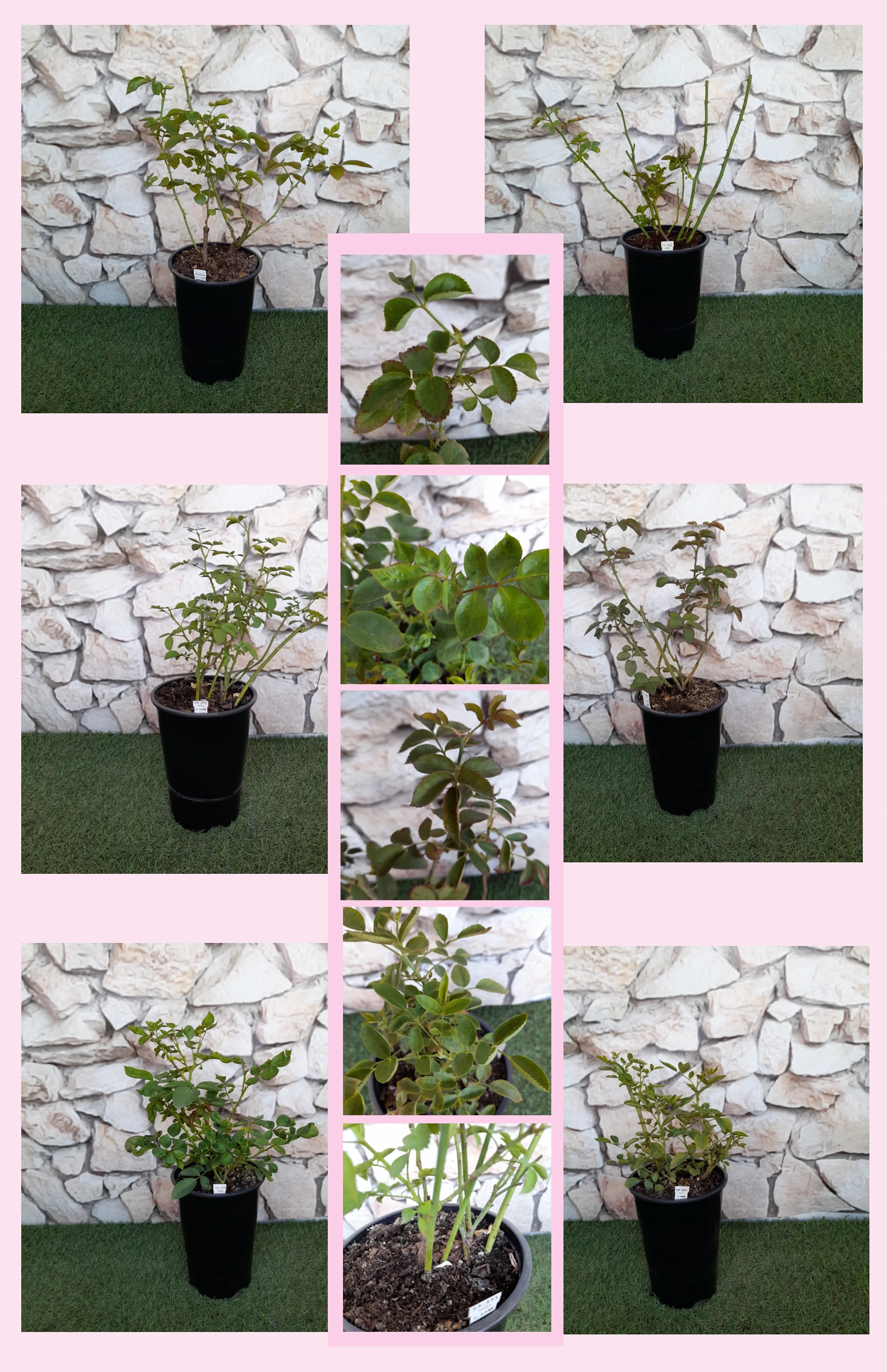
Upright shrub reaching approximately 130–170 cm high and 100–140 cm wide, with dense, glossy dark green foliage and moderate prickles, forming a rounded, structural garden presence. |
| Flower morphology |
Semi-double, cupped blooms with around 13–25 petals, produced in clusters of medium-sized flowers; repeats well through the season, especially if spent clusters are removed regularly. |
| Colour data and phenology |
Warm peach-orange with a yellowish tint; buds deep peach-orange, opening rich, then fading to creamy light peach at the edges, giving subtly changing tones over the flowering period. |
| Fragrance and aroma |
Medium-strength, pleasant scent with peach-like notes; detectable around the plant in still weather, adding a gentle, fruity character rather than an overpowering perfume in the garden. |
| Hip characteristics |
Produces spherical, orange-red hips about 6–10 mm across; moderately abundant where spent flowers are not removed, offering autumn interest and some wildlife value in suitable conditions. |
| Resistance and winter hardiness |
Hardy to approximately −23 to −21 °C (RHS H7, USDA 6a, Swedish zone 3); disease resistance generally moderate, benefits from good air movement and standard rose care routines. |
| Horticultural recommendations |
Suited to beds, hedging and large containers; space 110–200 cm depending on use, water regularly in dry spells, prune seasonally, and deadhead to encourage abundant repeat flowering. |
BENGALI® offers tall, structural flowering, a warm peach-orange cottage palette and reassuring hardiness on its own roots, making it a thoughtful, long-term choice for relaxed British family gardens.