BELVEDERE – pink historic sempervirens rose - Jacques
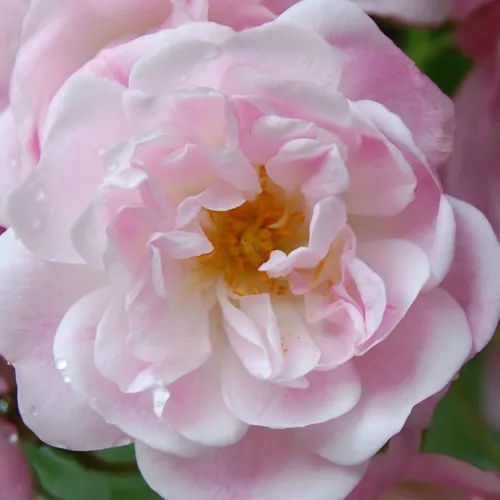
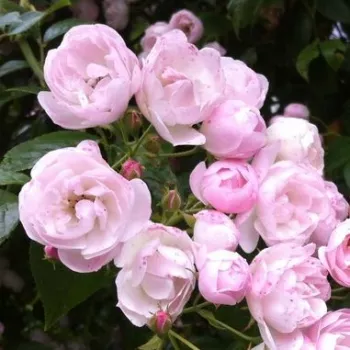
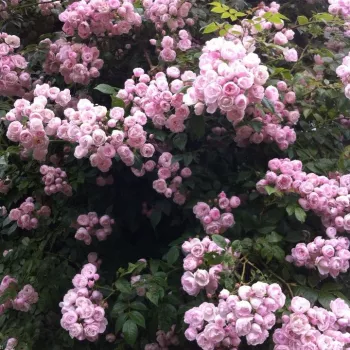
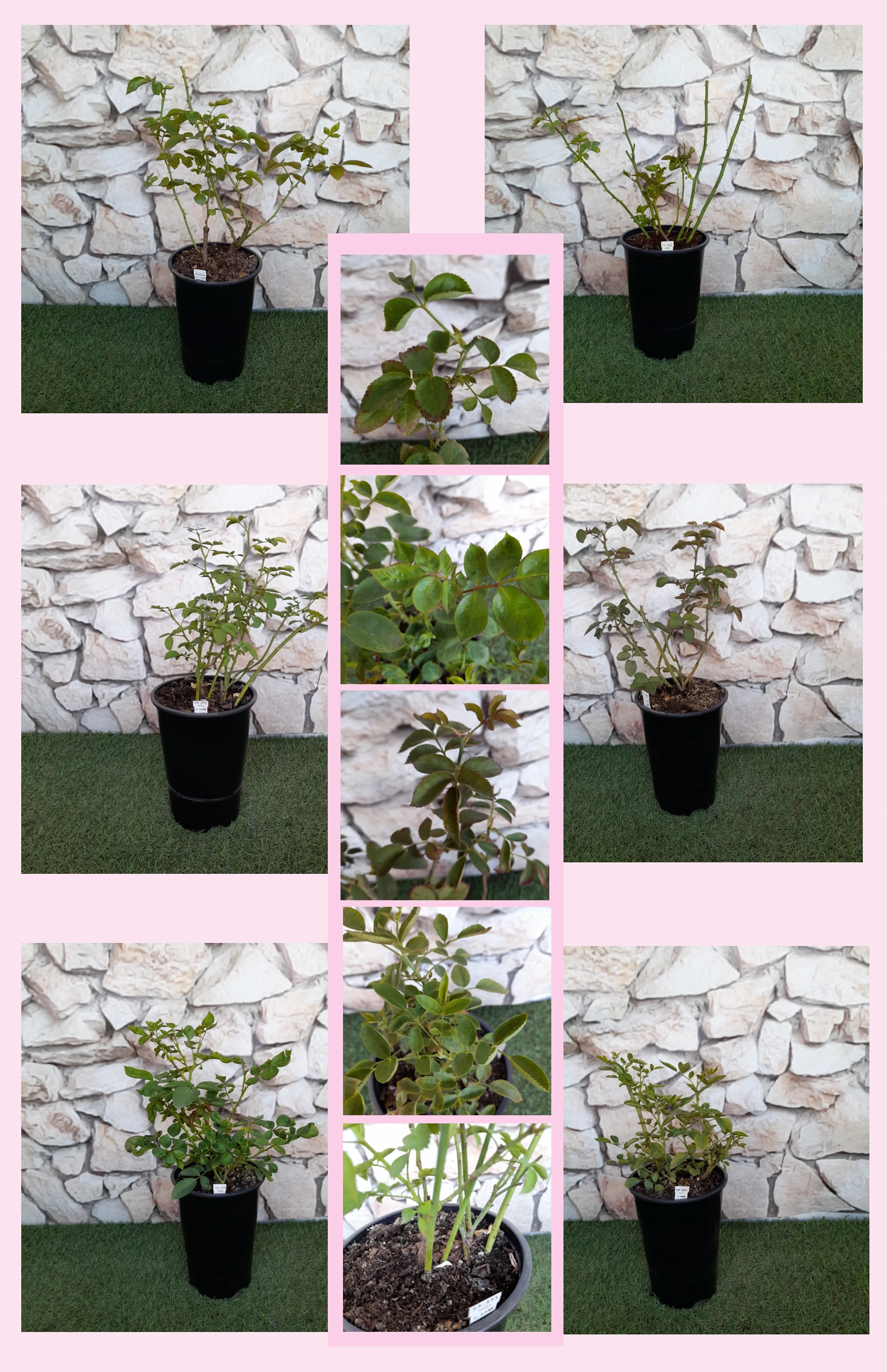
For those dreaming of a romantic rose-covered arbour, BELVEDERE offers an airy yet leafy screen of pastel pink blooms, filling summer with a gently musky fragrance and a soft, historical character. This classic 1829 rambler forms long, flexible canes that clothe pergolas, walls and mature trees with reassuring coverage, while its glossy, dark green foliage stays handsome through the season. As an own-root, container-grown rose in our 2‑litre format, it settles quickly, building roots in the first year, then pushing stronger flowering shoots in the second and reaching full romantic presence by the third year. Once established, it copes well with blustery coastal conditions and showery spells, standing up gracefully to persistent weather and retaining its cottage-garden charm. Its once‑a‑year flush becomes a garden event, rewarding simple, periodic pruning with a curtain of blossoms for many years.
Usage options
| Target area |
Reasoning |
| Family pergola or seating arbour |
BELVEDERE’s vigorous climbing habit and dense, glossy foliage create an intimate ceiling of leaves and flowers, ideal for afternoon tea corners. One glorious main flush each year becomes a highlight of the family calendar, with minimal ongoing intervention for busy homeowners. |
| House wall or sunny outbuilding |
Its long, flexible canes clothe walls with pastel pink clusters and dark foliage, softening brick or stone and framing windows in storybook style. Grown on its own roots, the plant regenerates from the base after hard pruning or winter damage, supporting a very long service life for traditional-style gardeners. |
| Garden boundary, screen or tall, informal hedge |
With potential to reach 6–8 m, this rambler provides generous vertical cover and seasonal privacy. The medium disease tolerance is usually sufficient where air can flow freely, and the slightly thorny canes discourage unwanted access, suiting family garden owners. |
| Large specimen over an old tree or pillar |
Trained into a mature tree or along a sturdy pillar, BELVEDERE forms a romantic veil of blooms that appear to float among the branches. The own-root habit means fresh shoots continue to arise from ground level, keeping the structure well supplied with flowering wood for long-term planners. |
| Cottage-style mixed border backdrop |
Its soft pink, gently fading flowers harmonise with foxgloves, catmint and cottage perennials, creating a layered, feminine backdrop. The once‑flowering display sits well in borders planned around seasonal peaks, particularly appealing to romantic cottage gardeners. |
| Containers and large garden pots |
In very large containers from about 40–50 litres, BELVEDERE can be grown near patios or entrances where its fragrance is most appreciated. The own‑root system adapts steadily to confined soil, extending the planting window across the season for urban terrace owners. |
| Exposed, breezy or coastal-feel gardens |
The supple canes and relatively secure anchoring cope well where winds funnel between houses or along open plots, especially when planted into improved, free‑draining soil to offset heavier clays and prolonged wet spells, making it suitable for coastal-region gardeners. |
| Low-intervention, period-style plantings |
Once tied in and shaped, BELVEDERE’s medium maintenance demand suits gardeners wanting traditional looks without constant fuss. Occasional pest checks and renewal pruning every few years are usually enough to preserve its AGM‑recognised garden performance for heritage-rose enthusiasts. |
Styling ideas
- Tea-Arbour Canopy – Train BELVEDERE along a timber arbour with simple wires, underplanting with lavender and foxgloves for a pastel, scented tunnel – perfect for families who enjoy relaxed outdoor meals.
- Storybook Facade – Soften a cottage front or garage wall by fanning the canes around windows, adding catmint and old-fashioned geraniums – ideal for homeowners seeking instant period charm.
- Romantic Boundary Screen – Use along a rustic fence with staggered planting distances to create a flowing, semi-wild flowering barrier – suited to those wanting privacy with a soft, countryside feel.
- Tree-Draped Rose – Allow BELVEDERE to scramble through a small existing tree, letting the soft pink clusters hang among the branches – appealing to gardeners who love naturalistic, storybook scenes.
- Patio Feature Pot – Plant in a 50‑litre container with a metal obelisk, pairing with herbs and low alliums at the base – a good choice for balcony or courtyard gardeners short on ground space.
Technical cultivar profile
| Parameter |
Data |
| Name and registration |
Historical Hybrid Sempervirens rambler rose marketed as BELVEDERE – pink historic sempervirens rose - Jacques; heritage climbing rose for walls, pergolas and arbours; unregistered cultivar with traditional trade usage. |
| Origin and breeding |
Bred by Henri Antoine A. Jacques at Château de Neuilly, France, circa 1829, from Rosa sempervirens × unknown; introduced by Jacques in 1829 and later distributed internationally as a classical rambler. |
| Awards and recognition |
Holder of the RHS Award of Garden Merit, indicating reliable garden performance, sound ornamental value and reasonable resistance under typical UK conditions when grown with basic good practice. |
| Growth and structural characteristics |
Strong, climbing rambler with 6–8.5 m height and 3.5–5.5 m spread; dense, dark glossy foliage on slightly thorny, flexible canes; suited to training on supports and informal tree-climbing uses. |
| Flower morphology |
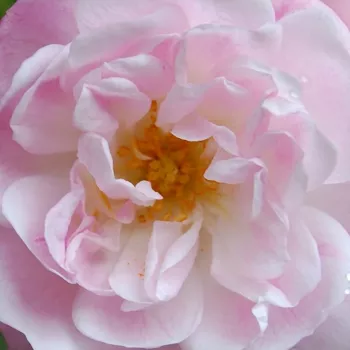
Medium, double, cup-shaped flowers with 26–39 petals; cluster-flowering along the canes; non-remontant rambler that delivers one main seasonal flush, typically in early summer, then rests. |
| Colour data and phenology |
Buds deep carmine-red, opening powder pink and fading to near white; RHS 65C outer and 62C inner tones; colour softens quickly in sun, giving a pastel, cloud-like effect in large flowering trusses. |
| Fragrance and aroma |
Moderately strong perfume combining a slightly sweet, musky note; best experienced at close range on calm, warm days; not primarily selected as a cutting rose but pleasantly scented in situ. |
| Hip characteristics |
Occasional small hips 8–12 mm long, ellipsoidal and orange-red; decorative but not heavily produced; may provide light seasonal interest for wildlife and autumn colour accents. |
| Resistance and winter hardiness |
Hardy to approximately −26 to −23 °C (RHS H7, USDA 5b, Swedish zone 4); medium resistance to black spot, mildew and rust; benefits from good air circulation and routine hygiene in damp regions. |
| Horticultural recommendations |
Plant with 4.05–6.3 m spacing depending on use; prefers well-drained soil, including improved clay or chalk; tie in new canes and prune after flowering; medium maintenance, occasional pest checks advised. |
BELVEDERE – pink historic sempervirens rose - Jacques offers romantic pergola coverage, graceful height and dependable hardiness on its own roots, making it a thoughtful long-term choice for relaxed, traditional family gardens.