BELLE DE SARDAIGNE™ – pink climbing rose – Massad
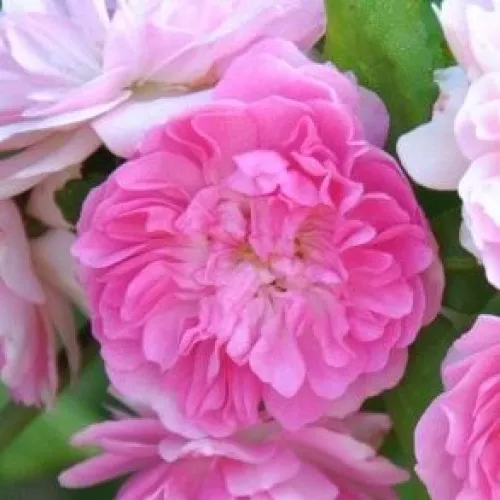
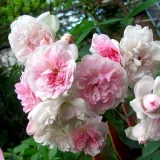
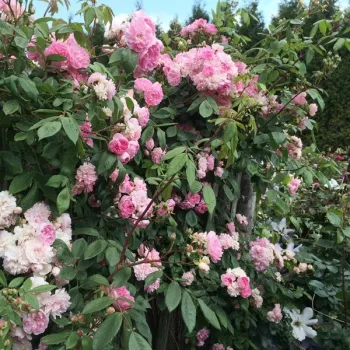
Allow Belle de Sardaigne™ to turn a simple garden arch into a scene for leisurely afternoon tea, where its softly pastel, powder‑pink blooms create a gentle, romantic backdrop against brick, timber or painted fencing. This large‑flowered climber forms an upright, easily trained framework, its near‑thornless canes making tying‑in surprisingly manageable even for less experienced hands, while dense grey‑green foliage soon clothes pergolas for a secluded, cosy corner. In a typical family garden it will settle well as an own‑root plant, building a reliable framework that offers long‑term character without the worries of graft failure or suckers, and coping steadily with brisk coastal breezes and frequent showers. As seasons pass, you will notice the natural rhythm of establishment – first strengthening roots, then extending shoots, and finally delivering its full ornamental presence – helping the rose integrate into a relaxed, cottage‑style border where cabbages, herbs and phlox share space with storybook blooms. Its remontant habit, bringing an early flush followed by a generous second flowering, keeps the garden feeling alive from early summer towards autumn, even when your time for gardening is limited.
Usage options
| Target area | Reasoning |
|---|
| Climbing rose over a family garden arch |
Belle de Sardaigne™ is bred as a large‑flowered climber with soft, cup‑shaped blooms, ideal for training over an entrance arch between lawn and kitchen garden. Its upright, soft‑stemmed growth makes tying in straightforward, forming a graceful archway frame within a few seasons for the homeowner. |
| Cosy pergola for afternoon tea seating |
With a mature height of 3,2–5 m and dense grey‑green foliage, this variety readily covers a standard wooden pergola, casting light dappled shade and creating a sheltered “room” outdoors. Repeating pastel flowers enhance the atmosphere without demanding complex pruning, suiting the busy. |
| Cottage‑style boundary fence or trellis |
The pastel pink, fading almost to white, sits comfortably with informal hedging and mixed cottage borders, softening panel fences and providing gentle vertical interest through the season. Its manageable spread allows use along typical suburban boundaries cherished by the traditionalist. |
| Feature rose on a sunny house wall |
Good heat and moderate drought tolerance mean it performs well on warm walls, where reflected sunshine can be intense in summer. A spacing of about 3 m lets the framework develop without overcrowding, rewarding patient support and regular care from the enthusiast. |
| Romantic focal point in a small to medium family garden |
Own‑root cultivation supports a long‑lived structure that can regenerate from the base if canes are damaged, giving dependable presence over many years. Even with occasional harder pruning, it rebuilds, making it a sound long‑term investment for the planner. |
| Part‑shaded cottage corner with companion perennials |
Its tolerance of partial shade allows planting where fences, sheds or mature shrubs cast afternoon shade, provided soil is reasonably fertile and well‑drained. Pastel blooms combine beautifully with phlox, crocosmia and low evergreens, pleasing the stylist. |
| Urban courtyard or terrace in a large container |
In paved spaces where in‑ground planting is limited, it can be grown in a substantial container of at least 40–50 litres, tied onto a trellis or pillar. Own‑root resilience and upright growth give a lasting vertical accent for the town‑dweller. |
| Wind‑exposed plots needing a trained vertical feature |
Once properly anchored and tied to supports, its flexible, soft canes handle everyday breezes, and a well‑developed root system helps it remain stable in blustery weather, even where gardens regularly face brisk winds and heavy rain, giving peace of mind to the coastal gardener. |
Styling ideas
- Tea‑time Pergola – Train Belle de Sardaigne™ along a simple wooden pergola with a small table beneath, underplanting with lavender and herbs to echo a country tea garden – perfect for families who linger outdoors.
- Cottage Gateway – Frame a picket gate with two plants, guiding canes over an arch and mixing in phlox and lady’s mantle at ground level – ideal for lovers of romantic cottage entrances.
- Soft Pink Screen – Cover a plain fence with this climber on horizontal wires, adding Euonymus fortunei ‘Minimus’ as a low evergreen ribbon – suited to suburban gardeners seeking gentle privacy.
- Warm Wall Gallery – Use a sunny brick wall as a backdrop, spacing plants widely and pairing with tall crocosmia and foxgloves for height contrast – appealing to design‑minded owners of townhouses.
- Courtyard Column – In a 50‑litre pot, spiral canes around a slim obelisk, surrounding the base with scented herbs in terracotta – a good choice for balcony or patio gardeners.
Technical cultivar profile
| Property | Data |
|---|
| Name and registration |
Large‑flowered climbing rose; registered as MASflesa, marketed as Belle de Sardaigne™ within the Les Lianambelles® collection, selected for ornamental garden and exhibition use. |
| Origin and breeding |
French cultivar bred by Dominique Massad; seedling from ‘Rose Delacroix’ × Les Pléiades, bred in 1996, introduced in 2006 via Pépinières Pétales de Roses and distributed initially by Novaspina. |
| Awards and recognition |
Recipient of the Société Nationale d’Horticulture de France Grand Prix de la Rose, winning first prize in the rambling and climbing rose category in 2011, confirming its ornamental display value. |
| Growth and structural characteristics |
Upright, soft‑stemmed climber reaching about 3,2–5 m high and 1,5–2,3 m wide, with dense, matt grey‑green foliage and very few thorns, easily trained on arches, pergolas, fences or house walls. |
| Flower morphology |
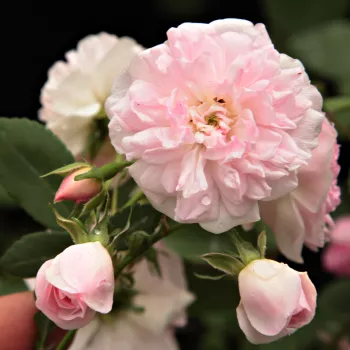
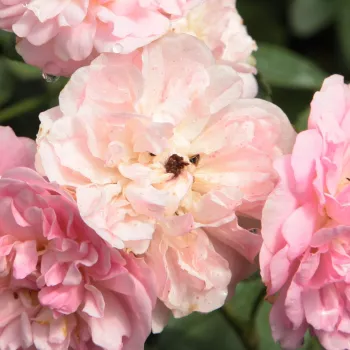
Bears medium‑sized, double, cup‑shaped flowers with roughly 26–39 petals, produced in generous clusters; remontant habit gives a main summer flush followed by a plentiful second flowering period. |
| Colour data and phenology |
Soft, even pastel pink; buds creamy pink with silvery sheen, opening powder‑pink then fading towards near‑white with faint basal pink, especially in strong sun; colour retention moderate in warm conditions. |
| Fragrance and aroma |
Fragrance described as very weak and barely perceptible, so planting is recommended primarily for visual impact, flower form and colour harmony rather than for strong scent in seating or entrance areas. |
| Hip characteristics |
Occasionally forms small, spherical red hips about 6–10 mm in diameter, decorative at close range but not usually produced in large numbers, so hips are a minor ornamental feature in most gardens. |
| Resistance and winter hardiness |
Hardy to approximately −21 to −18 °C (RHS H7, Swedish zone 3, USDA 6b) but notably very susceptible to black spot, powdery mildew and rust, requiring attentive, regular plant‑health care. |
| Horticultural recommendations |
Best on fertile, well‑drained soil with regular feeding and thorough disease management; suitable for pergolas, arches, fences, walls and specimen use, with spacing adjusted from 1,7 to 3 m depending on design. |
Belle de Sardaigne™ offers romantic pastel flowering, manageable upright growth and long‑term own‑root resilience, making it a thoughtful choice for arches and pergolas if you are prepared to give it attentive care.