| House wall near a seating area |
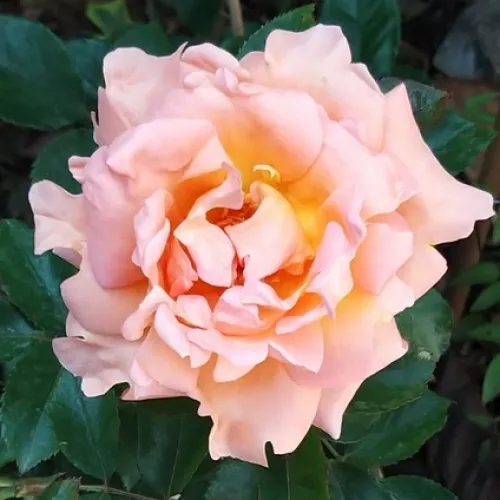
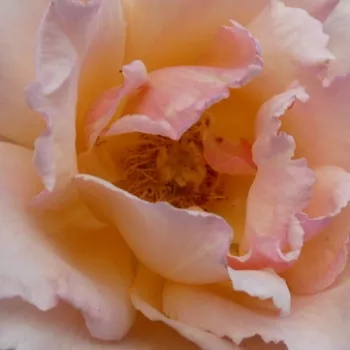
Trained on wires against a sunny or lightly shaded wall, BELLE DE LONDRES brings a steady flush of large, double flowers and a rich, fruity fragrance to the spots where you sit most often. Its strong scent and warm salmon-pink tones create a cosy, enveloping atmosphere for family meals or evening relaxation. Over the years, the own-root framework thickens and can be refreshed by cutting back older stems, so the display remains dependable without replanting. Recommended for the busy home gardener. |
| Arbour or arch over a garden path |
This climber’s tall, flexible canes are ideal for clothing an arch, creating a tunnel of blooms that feels both romantic and intimate. The repeat flowering habit keeps colour coming after the first main flush, so paths to the veg patch or back gate stay inviting through summer. Once established, the plant’s own-root system supports vigorous regrowth if you prune harder to keep the structure clear underneath, maintaining a long-lived framework with minimal replacement. Recommended for the cottage-style enthusiast. |
| Pergola beside patio or lawn |
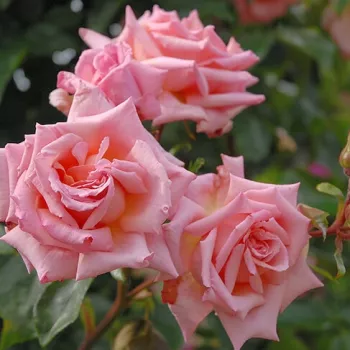
On a pergola, BELLE DE LONDRES offers shade, screening and scent in one, with glossy dark foliage and clustered flowers hanging at just the right height. The strong fragrance is especially noticeable in sheltered corners, adding a luxurious feel to ordinary family spaces. Its climber habit allows you to shape growth with light annual pruning rather than intricate shaping, while the own-root nature means any older stems can be renewed from the base as needed. Recommended for the relaxed patio owner. |
| Fence or boundary screen |
Used along a boundary, this rose softens hard fencing with its dense foliage and generous bloom trusses, giving privacy as well as colour. The mature plant forms a robust, woody framework that anchors itself in the soil and stands up well in gardens where wind and rain are frequent visitors. Own-root plants tend to recover better from occasional dieback, helping you maintain a continuous line of coverage without gaps. Recommended for the practical family gardener. |
| Feature pillar or obelisk in a mixed border |
Training BELLE DE LONDRES around a tall pillar transforms a small border into a vertical focal point, lifting the eye above perennials and herbs. The high-centred flower shape and exhibition-style blooms give a refined look that contrasts beautifully with looser cottage plants. Because the plant flowers repeatedly, the feature remains interesting over a long season, and own-root vigour ensures the pillar remains well clothed as the years pass. Recommended for the style-conscious beginner. |
| Large container on terrace (40–50 litres minimum) |
In a spacious container of at least 40–50 litres, this climber can be used to frame a balcony or roof terrace where planting soil is limited. The repeat flowering and strong fragrance offer instant romance close to windows or seating, while simple tie-in and light pruning keep growth in bounds. Own-root plants in large pots typically remain productive for many seasons if watered and fed regularly, reducing the need for frequent replanting. Recommended for the busy urban gardener. |
| Cutting garden corner for scented stems |
BELLE DE LONDRES provides long, elegant stems with large, double blooms suited to arranging in jugs and vases, bringing its rich scent indoors. The colour shifts from peachy-pink to softer pastel tones, giving variety in each picking. Because the plant is remontant, you can cut sparingly through the season without losing all garden colour. Over the first three years it moves from building roots, to framework, to full ornamental value, supporting a steady supply of stems. Recommended for the home flower arranger. |
| Traditional cottage-style rose and kitchen garden |
Threaded between fruit trees, herbs and vegetables, this climber reinforces a traditional English cottage mood, its warm pink flowers harmonising with soft blues, whites and greens. Despite needing regular health checks, it responds well to straightforward pruning, with old canes replaced gradually to keep the structure young. The own-root habit encourages reliable regrowth after harder cuts, so the rose remains part of the garden’s character for many years. Recommended for the traditionalist gardener. |