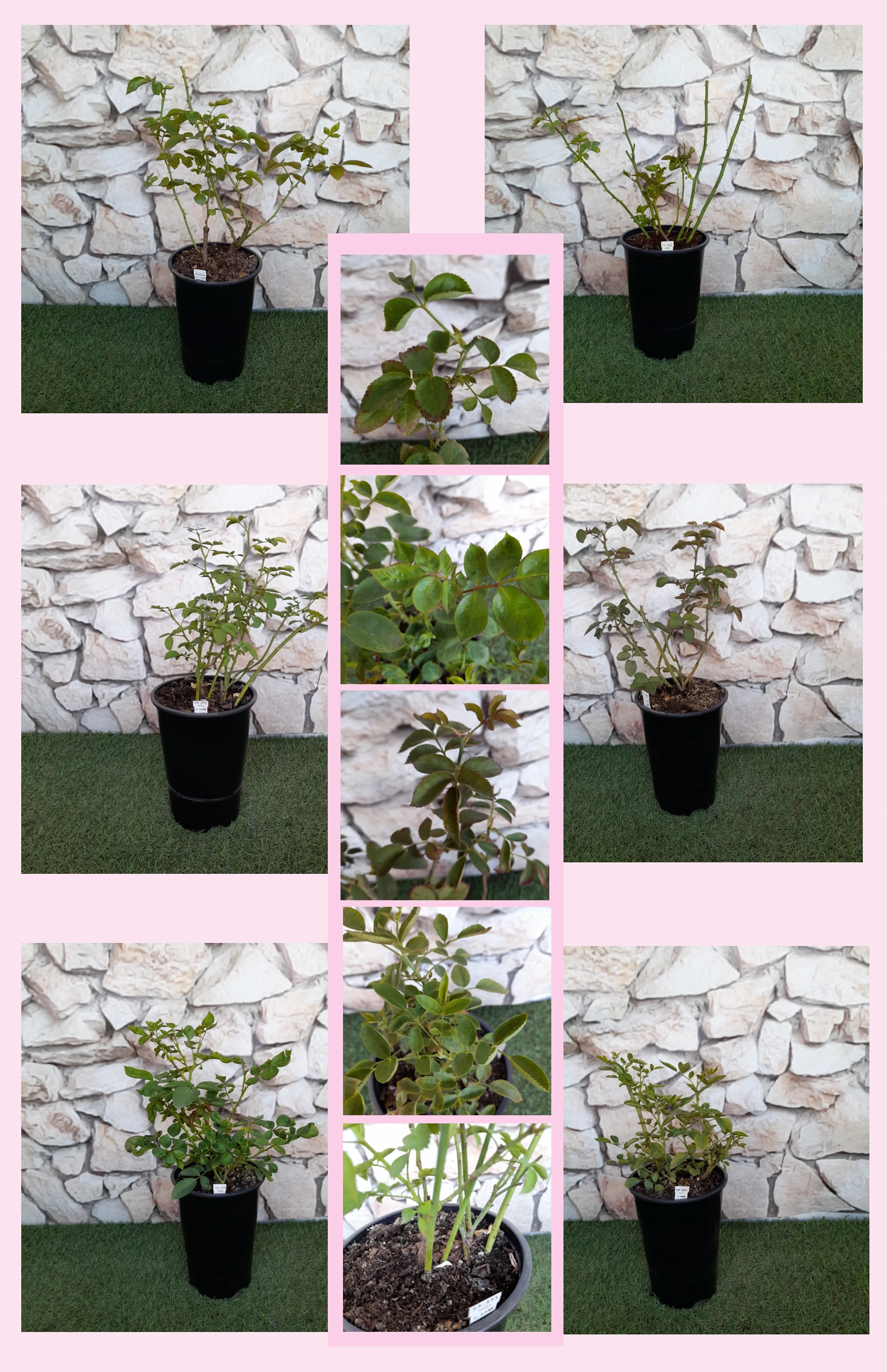
ROSA CANINA ABBOTSWOOD – pink landscape shrub rose – Fred Tustin
Understated and quietly romantic, Rosa canina Abbotswood brings a soft wild-rose charm to everyday family gardens, evoking afternoon tea beside a country hedge or cottage border. Its pale pink, semi-double blooms appear in generous clusters, followed by striking orange-red hips that keep the garden visually interesting well into autumn and winter. Bred in Britain, this landscape shrub rose is naturally healthy and winter-hardy, coping well in exposed sites where strong winds and driving rainfall might trouble fussier varieties. As an own-root shrub, it develops steadily, living long, regenerating from the base and holding its shape without complicated pruning, so you enjoy more relaxing weekends and less routine work. In an average family garden it fits beautifully into informal mixed plantings, edging wildlife-friendly lawns and kitchen plots with a quietly naturalistic feel. Planted as a young, container-grown shrub, it settles in reliably and, as its roots establish and framework fills out over the first seasons, its full ornamental value becomes more apparent by the third summer.
Usage options
| Target area | Reasoning |
|---|
| Naturalistic, wildlife-friendly hedge along a boundary |
This vigorous shrub forms a bushy, moderately dense screen with traditional wild-rose character and a once-a-year flush of soft pink flowers, followed by large orange-red hips that feed the eye and visiting birds through autumn and winter, ideal for a relaxed cottage-style boundary for family gardeners |
| Pollinator strip beside kitchen garden beds |
Semi-double flowers with easily reached stamens provide excellent forage for bees and other pollinators, while the gentle wild-rose fragrance adds a traditional note beside vegetables and herbs, supporting productive plots that still feel ornamental and inviting for nature-lovers |
| Low-maintenance, informal shrub grouping in a front garden |
Its naturally tidy, bushy habit and low maintenance needs make it ideal where you prefer to plant and largely leave alone, with only occasional thinning, so a small suburban front garden gains soft cottage texture without demanding regular shaping from busy homeowners |
| Exposed, breeze-prone corners in coastal or open sites |
As a hardy landscape shrub with good overall disease resistance, it copes well in open, windswept positions where tougher foliage and flexible stems are needed, suiting gardens that feel the weather yet must remain attractive and reliable for practical buyers |
| Relaxed focal shrub near a seating area or arbour |
The combination of pale pink blossom, medium-strength sweet fragrance and glowing hips creates a romantic focal point beside benches or arbours, giving a storybook backdrop to afternoon tea moments without needing precise training or clipping for romantic traditionalists |
| Family garden border with minimal pruning regime |
This shrub rose flowers on its natural framework and generally needs only light occasional thinning, so you avoid yearly technique-heavy pruning; an own-root plant steadily builds a durable base and can regenerate from the ground after hard cuts, suiting straightforward care routines for beginner gardeners |
| Larger mixed shrub bed in a park-style or spacious garden |
Its stature, spacing requirements and bold hip display lend themselves to generous plantings where roses mingle with other shrubs and perennials, adding seasonal rhythm and a wild-rose note without becoming fussy, ideal in looser, semi-natural schemes for country-plot owners |
| Large container or half-barrel on terrace or gravel area |
In a 40–50 litre or larger container with good drainage, this own-root shrub can be enjoyed close-up, its roots spreading steadily while long life and base-regen potential ensure value from a single planting, especially where ground soil is poor or heavily compacted for urban gardeners |
Styling ideas
- Cottage Hedge Walk – Plant a loose row as a flowering hedge, underplanting with dwarf oregano and creeping baby’s-breath for soft texture and pollinator appeal – perfect for nature-focused families.
- Kitchen-Garden Edge – Use as a backdrop to raised vegetable beds, weaving in herbs and fennel so bees move between crops and rose flowers – ideal for home-growers who enjoy productive charm.
- Wild Meadow Corner – Combine with ornamental grasses and simple perennials, letting hips stand over frosted seedheads for a naturalistic, low-input look – suited to those who like wilder spaces.
- Romantic Seat Nook – Flank a bench or arbour with a pair of shrubs and soft blue ceanothus for spring–summer contrast, keeping maintenance light yet atmosphere cosy – appealing to cottage-style romantics.
- Gravel Terrace Feature – Grow one shrub in a generous half-barrel with airy companions like gypsophila, creating a fragrant focal point near doors or patios – ideal for busy urban owners with limited beds.
Technical cultivar profile
| Characteristic | Data |
|---|
| Name and registration |
Rosa canina Abbotswood is a botanical shrub rose, a landscape type named for the Abbotswood estate; also known as R. watsoniana in exhibition use, with no separate registered code. |
| Origin and breeding |
Believed to be a hybrid of Rosa canina with an unknown partner, bred by Fred Tustin in the United Kingdom and introduced by T. Hilling & Co in 1954 for garden and landscape use. |
| Growth and structural characteristics |
A vigorous, bushy shrub with moderately dense, slightly glossy dark green foliage and dense prickling; develops a substantial framework over time, suitable for hedging, groups and specimen planting. |
| Flower morphology |
Bears large, cluster-flowered, semi-double blooms with around 5–12 petals; flowers once rather than repeating, producing a strong seasonal display, especially effective when used in groups or hedges. |
| Colour data and phenology |
Medium to large pale pink flowers, uniform in tone without stripes or spots; outer petals match RHS 65C, inner around 65D, giving a soft and natural wild-rose effect as they open fully. |
| Fragrance and aroma |
Blooms carry a medium-strength, sweet scent typical of wild roses, noticeable on still days around seating areas and paths, adding a gentle, classic perfume without being overpowering. |
| Hip characteristics |
Produces showy, egg-shaped orange-red hips about 15–20 mm across; hips are mainly ornamental, providing colour and wildlife interest from late season into winter on established shrubs. |
| Resistance and winter hardiness |
Rated hardy to approximately –21 to –18 °C (H6, USDA 6b, Swedish zone 6); generally healthy with good overall disease resistance noted, suitable for typical British garden conditions. |
| Horticultural recommendations |
Use as specimen, hedge or in naturalistic schemes at 115–285 cm spacing; low-maintenance, needing little pruning beyond occasional thinning, and tolerant of partial shade in varied garden settings. |
Rosa canina Abbotswood offers soft pink, fragrant, pollinator-friendly bloom, showy autumn hips and low-maintenance, long-lived own-root reliability; consider it if you want a quietly romantic shrub that earns its place over time.