BEL ANGE® – pink hybrid tea rose – Lens
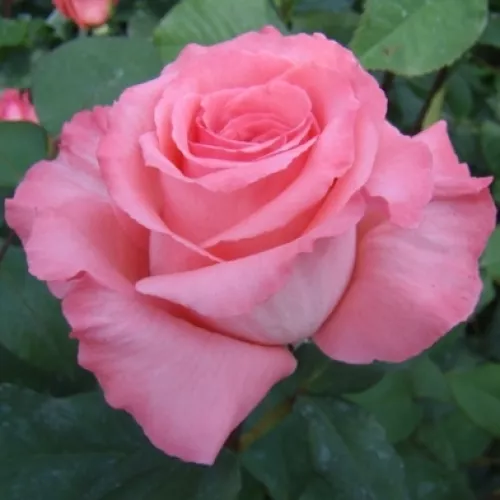
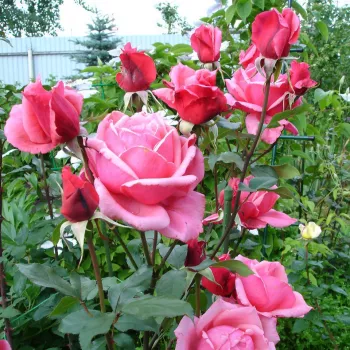
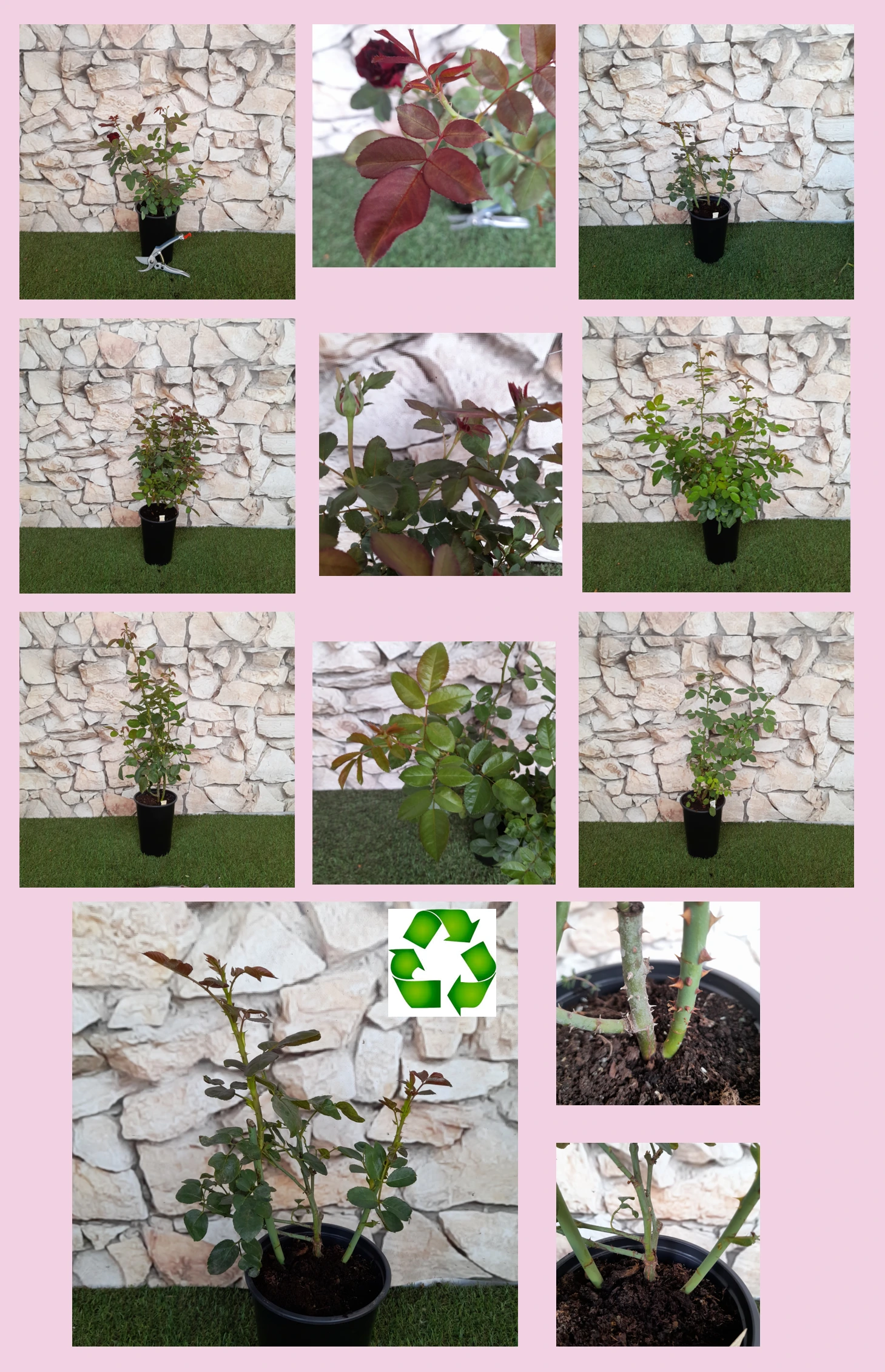
With its high-centred, exhibition-style blooms and graceful, upright habit, BEL ANGE® brings a quietly romantic focus to family gardens while coping reliably with breezier, damp conditions often found near the coast. The naturally elegant stems carry large, classic buds in a rich deep pink that soften to a gentle salmon, giving you a long window of colour for vases and borders alike. As an own-root plant it is inherently durable, building strength steadily below ground so that top growth remains stable and attractive for many years with only moderate care. In practical terms this means a plant that is dependable through typical British seasons, responding well to straightforward pruning and regular deadheading rather than specialist techniques. Ideal for those seeking a romantic focal point by a terrace, path or seating area, it works as a single specimen or in small groups where its harmonious colouring will blend with herbaceous perennials and cottage favourites. The upright framework and moderate height keep it manageable in smaller plots, yet substantial enough for rose arches and mixed borders. Year by year its own-root system gives quietly increasing vitality, rewarding patient gardeners with ever fuller displays and a lasting sense of afternoon-tea cosiness.
Usage options
| Target area | Reasoning |
|---|
| Feature rose near a seating area |
The upright, medium-tall habit holds the large, high-centred blooms at eye level, perfect beside a garden bench or patio set where the mild tea fragrance can be appreciated on still evenings; ideal for the romantic cottage-lover homeowner. |
| Cutting patch in a family garden |
Long, straight stems and double, exhibition-style flowers make BEL ANGE® well suited to home-cut arrangements, giving repeat flushes through the season so you can cut regularly without stripping the plant; ideal for the time-pressed hobby-gardener. |
| Mixed cottage border planting |
The deep pink with a soft salmon undertone blends easily with blues, whites and silvers, helping the rose sit naturally amongst perennials, herbs and low shrubs for that gentle English-countryside feel; ideal for the cottage-border enthusiast. |
| Small formal group or rose bed |
Planted in groups at the recommended spacing, the even, upright structure creates a neat, traditional rose bed with clear lines and generous flower coverage, without demanding complex pruning to keep it in shape; ideal for the structure-seeking planner. |
| Own-root long-term specimen |
As an own-root plant it regenerates well from the base, so if stems are damaged by weather or age, new shoots arise true to type, preserving form and colour for years with simple annual pruning; ideal for the low-intervention gardener. |
| Family front garden focal point |
The premium-quality, container-grown start makes planting straightforward in typical front gardens, including raised beds where heavier soils benefit from better drainage after wet, windy spells by the sea, supporting busy but style-conscious families. |
| Large container on terrace or balcony |
In a 40–50 litre container with good drainage, BEL ANGE® remains compact enough to manage, yet offers generous, refillable displays of blooms that respond well to routine deadheading and feeding; suitable for the space-limited urban resident. |
| Developing a young garden over several seasons |
The plant focuses first on roots, then on bushy framework, reaching its most satisfying display over the first three years, so you gain a steadily improving, reliable feature without needing advanced rose expertise; perfect for the patient beginner buyer. |
Styling ideas
- Arbour romance – Train BEL ANGE® up a light obelisk or narrow arch with soft clematis in pale mauve, creating an intimate, storybook entrance to a seating nook – for cottage-style dreamers seeking a gentle focal point.
- Kitchen-border charm – Underplant with lavender, chives and low thyme to edge a vegetable plot, echoing the pink blooms with purple herbs while keeping everything easy to reach and tend – for practical cooks who like a romantic look.
- Pastel ribbon – Repeat BEL ANGE® along a path with white campanulas and silver foliage plants to form a loose, pastel edging that feels ordered yet soft – for homeowners wanting subtle structure without formality.
- Tea-table view – Position a single plant close to a patio table, backed by soft grasses and pale foxgloves, so the blooms frame afternoon tea and evening conversations – for families who use the garden as an outdoor room.
- Classic show-corner – Combine BEL ANGE® with traditional pinks, catmint and box spheres to evoke a small exhibition-style display bed that still reads as a relaxed garden scene – for enthusiasts who enjoy classic roses but prefer low fuss.
Technical cultivar profile
| Property | Data |
|---|
| Name and registration |
Hybrid tea rose BEL ANGE® (Bel Ange), exhibition-type, cut-flower capable; commercial hybrid tea rose from the Lens Roses range, verified cultivar identity for darinaROSE® ORIGINAL own-root production. |
| Origin and breeding |
Bred by Louis Lens in Belgium from complex hybrid tea parentage, registered in 1962 and introduced in 1965 by Lens Roses, combining reliable remontancy with refined high-centred flower form. |
| Awards and recognition |
Recognised with a Gold Medal at Kortrijk in 1965 and a National Rose Society Trial Ground Certificate in 1962, confirming its ornamental quality and garden performance under trial conditions. |
| Growth and structural characteristics |
Upright bush, around 100–140 cm tall and 40–60 cm wide, moderately dense dark green matte foliage, slightly thorny stems, best as a specimen, short hedge or grouped in traditional rose beds. |
| Flower morphology |
Large, high-centred, pointed buds opening to double flowers with 26–39 petals, mostly solitary on stems, classic hybrid tea form suited to cutting, with abundant repeat flowering in later flushes. |
| Colour data and phenology |
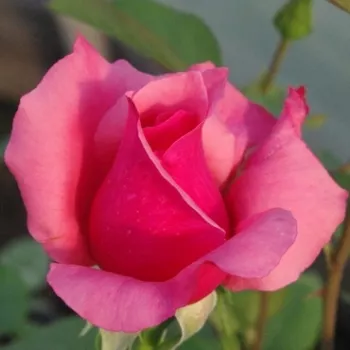
Deep pink with subtle salmon undertone, RHS 57B outer, 36C inner; buds dark pink, opening bright then gently lightening, with some fading and petal marking in strong sun or scorching heat. |
| Fragrance and aroma |
Mild, delicately tea-scented fragrance noticeable at close range, primarily grown for visual effect rather than perfume, with fully double blooms offering limited pollen access for pollinators. |
| Hip characteristics |
Occasional ellipsoidal rose hips, about 10–14 mm, red-orange when ripe, usually sparse on well-deadheaded plants, so ornamental impact mainly comes from flowers rather than autumn fruiting. |
| Resistance and winter hardiness |
Hardy to approximately −21 to −18 °C (RHS H7, USDA 6b), with moderate resistance to black spot, mildew and rust; benefits from good air movement, watering in drought and basic preventative care. |
| Horticultural recommendations |
Best in full sun with fertile, well-drained soil; plant 40–50 cm apart in hedges or 90 cm as specimen, deadhead spent blooms, and prune in late winter to maintain shape and encourage new flowering wood. |
BEL ANGE® offers elegant exhibition-style blooms, reliable repeat flowering and steady, own-root resilience in a manageable bush, making it a thoughtful long-term choice for gardeners who appreciate classic romance with practical ease.